Smart Home Technology for Older Homeowners: What’s Worth It and What Isn’t
Smart home technology has matured significantly over the past decade, and for homeowners over 50 — particularly those managing older homes with aging systems — specific categories of smart home devices offer genuine practical value: reducing maintenance burden, improving safety, lowering energy costs, and providing remote monitoring capability that matters increasingly as homeowners travel more or spend time away from home.
The challenge is distinguishing the genuinely useful from the gimmicky. The smart home market includes products that solve real problems and products that create the illusion of solving problems while adding complexity. Here’s an honest assessment of which technologies deliver real value for the over-50 homeowner.
High Value: Water and Leak Detection
Water damage is the costliest home insurance claim category and the one most amenable to early detection technology. A network of Wi-Fi connected water sensors ($20–$50 each, brands including Govee, Aqara, and D-Link) placed near appliances, under sinks, behind toilets, and near the water heater sends smartphone alerts within seconds of detecting water. These devices have prevented enormous amounts of damage for homeowners who caught a slow supply line leak or appliance failure within hours.
The Flo by Moen or Phyn smart water shutoff valve ($500–$1,000 installed) goes further: it monitors flow through the entire home’s plumbing, detects abnormal patterns consistent with leaks, and can automatically shut off the main water supply when it identifies a potential emergency. For homeowners who travel frequently or own vacation properties, this device provides protection that no other measure replicates. The payback on a single prevented pipe burst or appliance flood is immediate and dramatic.
High Value: Smart Thermostats
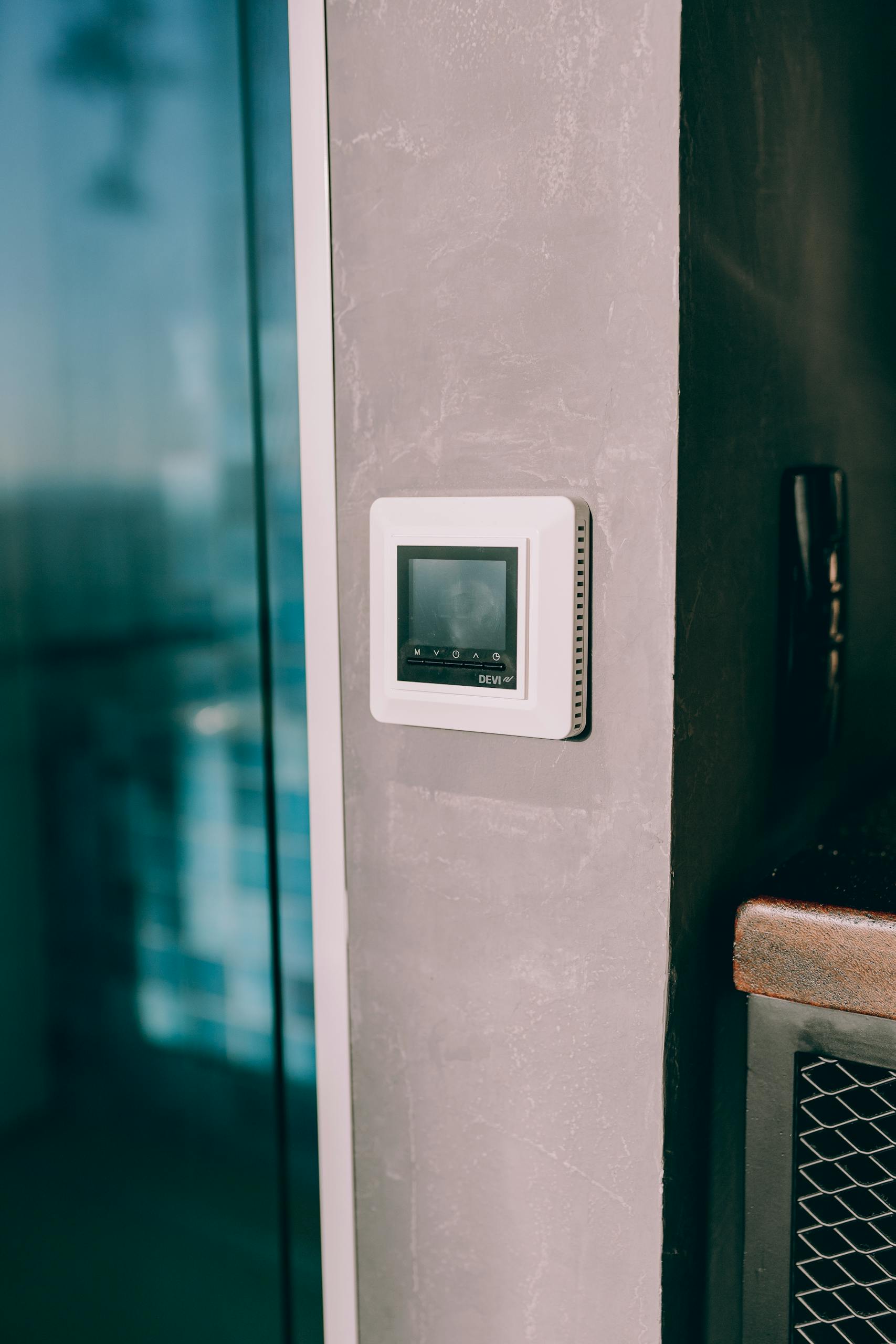
The Nest Learning Thermostat, Ecobee SmartThermostat, and comparable devices ($150–$300 installed) provide scheduling, remote control, and learning capabilities that deliver 10–20% reductions in heating and cooling costs for most households. The remote control capability is particularly valuable for homeowners who travel — the ability to confirm from a phone that the heat is set appropriately while you’re away, or to adjust the temperature before returning home, is a genuine convenience that older programmable thermostats don’t provide. Installation is typically straightforward for a licensed HVAC technician ($50–$100) or a comfortable DIYer.
High Value: Video Doorbells and Security Cameras
Video doorbells (Ring, Nest Hello, and competitors, $100–$250) provide package delivery notifications, deterrence against porch theft, and remote visitor identification — useful for homeowners who are frequently away or who have mobility limitations that make answering the door quickly difficult. Outdoor security cameras provide documentation of property perimeter activity, deterrence against theft and vandalism, and insurance evidence in the event of a covered loss. These systems have become reliable, user-friendly, and genuinely useful at price points that make them accessible to most homeowners.
Moderate Value: Smart Lighting
Smart lighting systems (Philips Hue, Lutron Caseta, and others) provide programmable schedules, dimming capability, and remote control. For homeowners with mobility limitations, voice-activated lighting eliminates the need to navigate switches. For homes left vacant for extended periods, programmed lighting schedules are more convincing deterrents than mechanical timers. The value is real but modest relative to cost ($50–$150 per room for a complete system); it’s a reasonable investment for specific use cases rather than a whole-house priority.
Lower Value: Smart Appliances and Most Kitchen Technology
Smart refrigerators, ovens, dishwashers, and washing machines — appliances that connect to Wi-Fi and offer smartphone control, recipe integration, or diagnostic alerts — represent a category where the technology adds complexity and cost without proportionate value for most homeowners. The refrigerator that sends you an alert when you leave the door open is solving a problem you didn’t know you had, at a premium of $500–$1,000 over a non-smart equivalent. Appliance smart features also have a poor track record of remaining functional as software and app support is discontinued; a “smart” appliance from 2018 may be a “dumb” appliance with a defunct app by 2025.
Implementation Advice
Start with the highest-value categories — water detection and smart thermostat — before investing in the rest. Choose devices that operate on established platforms (Apple HomeKit, Google Home, Amazon Alexa) rather than proprietary systems that may be discontinued. For any technology involving regular internet connectivity, verify that your home’s Wi-Fi coverage reaches the relevant locations. And avoid the impulse to automate everything: the most valuable smart home is the one with a small number of devices that solve real problems well, not the one that has every possible device installed and requires constant management.