





Water Damage and Older Homes: The Hidden Threat That Costs More Than Any Other Repair
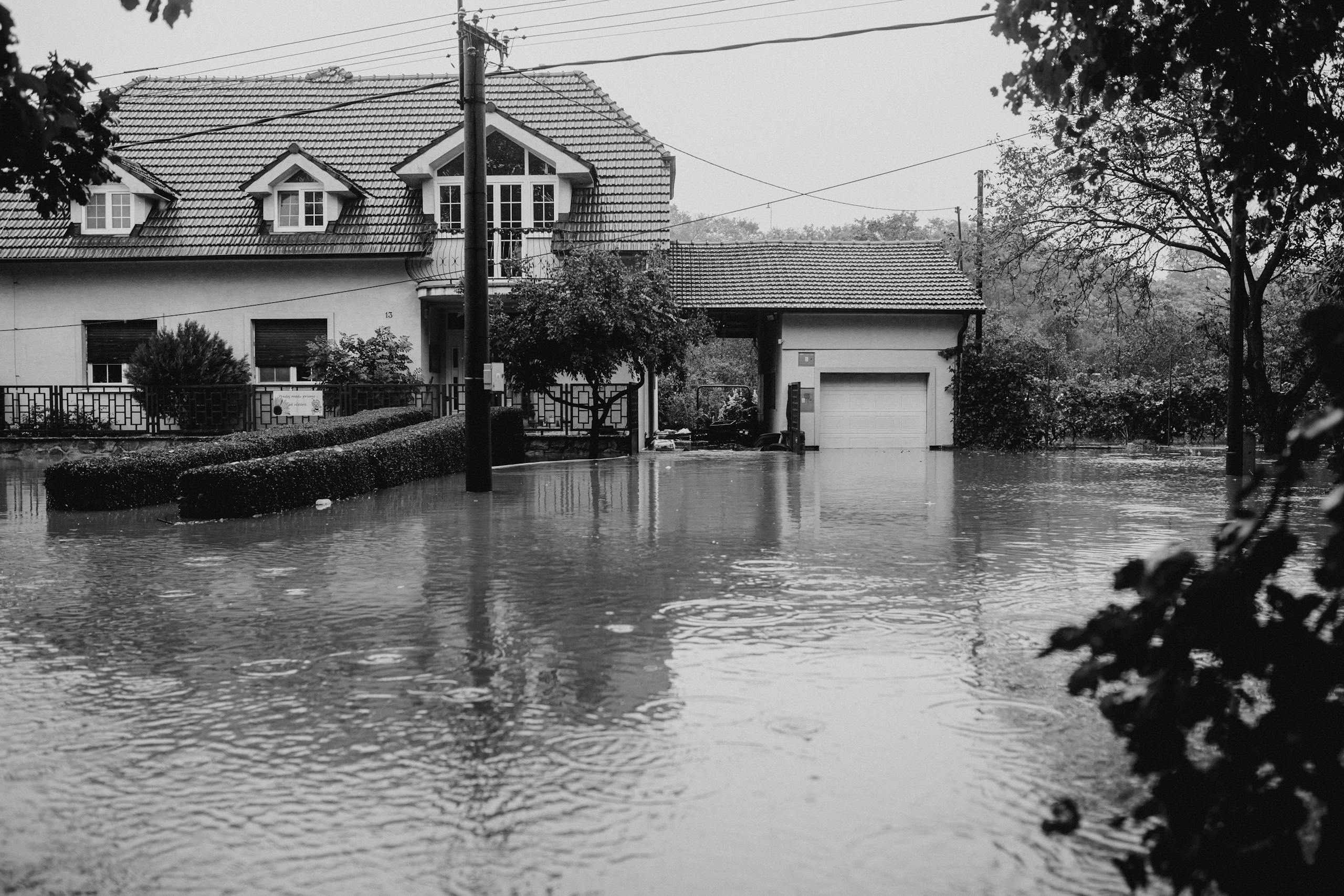
Water damage is the most expensive, most common, and most preventable category of home repair cost in the United States. Insurance industry data consistently shows water damage and freezing as the leading cause of homeowner’s insurance claims, responsible for more total claim dollars than fire, wind, theft, and liability combined. In older homes — where plumbing is aging, roofing and flashing are past their prime, and decades of small vulnerabilities have accumulated — the risk is higher and the potential damage is greater than in newer construction.
Understanding where water enters homes, how it accumulates, and what it costs when it does is the foundation of a prevention strategy that protects both your home and your financial security.
The Five Entry Points
Roof failures are the most dramatic and visible source of water entry. A failing roof — missing shingles, deteriorated flashing, failed pipe boot seals — allows water to enter the attic, where it saturates insulation, promotes mold growth, and eventually finds its way into the living space. The insidious quality of roof leaks is that they often travel significantly from their entry point before showing up as a ceiling stain; by the time you see the stain, the water has been working on your structure for some time.
Plumbing failures are the leading source of sudden, severe water damage in older homes. A failed washing machine supply hose, a burst pipe in a freezing episode, a failing water heater, a leaking toilet supply line — these events can release hundreds of gallons of water in a short time. The damage to flooring, drywall, cabinetry, and structural members can run $20,000–$80,000+ for a significant plumbing flood, before accounting for mold remediation if the water isn’t extracted promptly.
Foundation and basement intrusion is slow, chronic, and often not addressed for years because it seems minor. Basement wall seepage after heavy rain, a persistent damp smell, efflorescence on block walls — these are symptoms of water migrating through or around the foundation. The damage accumulates over years: rust on metal in the space, rot in wood framing, deteriorating sill plates, and eventually structural weakening. The remediation, when finally addressed, is expensive ($5,000–$30,000+ for waterproofing systems) — far more than the cost of improving grading, extending downspouts, or addressing entry points when they were minor.
Window and door failures — gaps in flashing, failed caulking, deteriorated sills — allow wind-driven rain to infiltrate behind exterior finishes where it can silently rot framing members and sheathing for years before the exterior shows symptoms. This is particularly common in older homes with original wood-framed windows and original exterior trim details.
HVAC condensate and appliance failures — a clogged air conditioner drain line, a failed dehumidifier pump, a refrigerator ice maker line leak — can deposit significant amounts of water in concealed locations over extended periods.
Early Detection: The Most Cost-Effective Strategy
The most financially impactful water damage prevention measure is early detection — identifying leaks and intrusion when they are small and localized rather than when they have caused significant structural or mold damage. Several approaches are worth implementing:
Water leak sensors ($20–$50 per sensor, Wi-Fi connected) placed near appliances, under sinks, and near hot water heaters detect water presence and send smartphone alerts. A small investment that has prevented tens of thousands of dollars in damage for homeowners who caught a supply line leak or appliance failure within hours rather than discovering it after a vacation.
A whole-home water shutoff valve like Flo by Moen or Phyn ($500–$1,000 installed) monitors water usage through the entire home’s plumbing and can automatically shut off water when an abnormal flow pattern (consistent with a leak or burst pipe) is detected. For older homes with aging plumbing or for homeowners who travel, this device provides a level of protection that no other measure can replicate.
Annual inspection of the attic and crawl space (if accessible) for evidence of moisture, staining, or mold growth catches roof and foundation issues in their early stages, before they become structural emergencies.
If Water Damage Has Already Occurred
Speed is the most critical factor in water damage mitigation. Water begins promoting mold growth within 24–48 hours on wet porous materials; extracting water and beginning drying within 24 hours dramatically reduces the scope of remediation required. If you experience a significant water event, call a professional water mitigation company (SERVPRO, ServiceMaster, and local independents) immediately — their industrial drying equipment and moisture measurement capabilities prevent the small incident from becoming the large one.
Related Articles
- Preventive Home Maintenance: The Annual Checklist That Saves Thousands
- Home Insurance for Older Homes: Rising Costs and Coverage Gaps You Need to Know
- Home Maintenance Costs After 50: How to Budget Realistically for an Older Home
- Money, Wills, and “Who Gets What”: Financial Planning for Blended Families After 50