





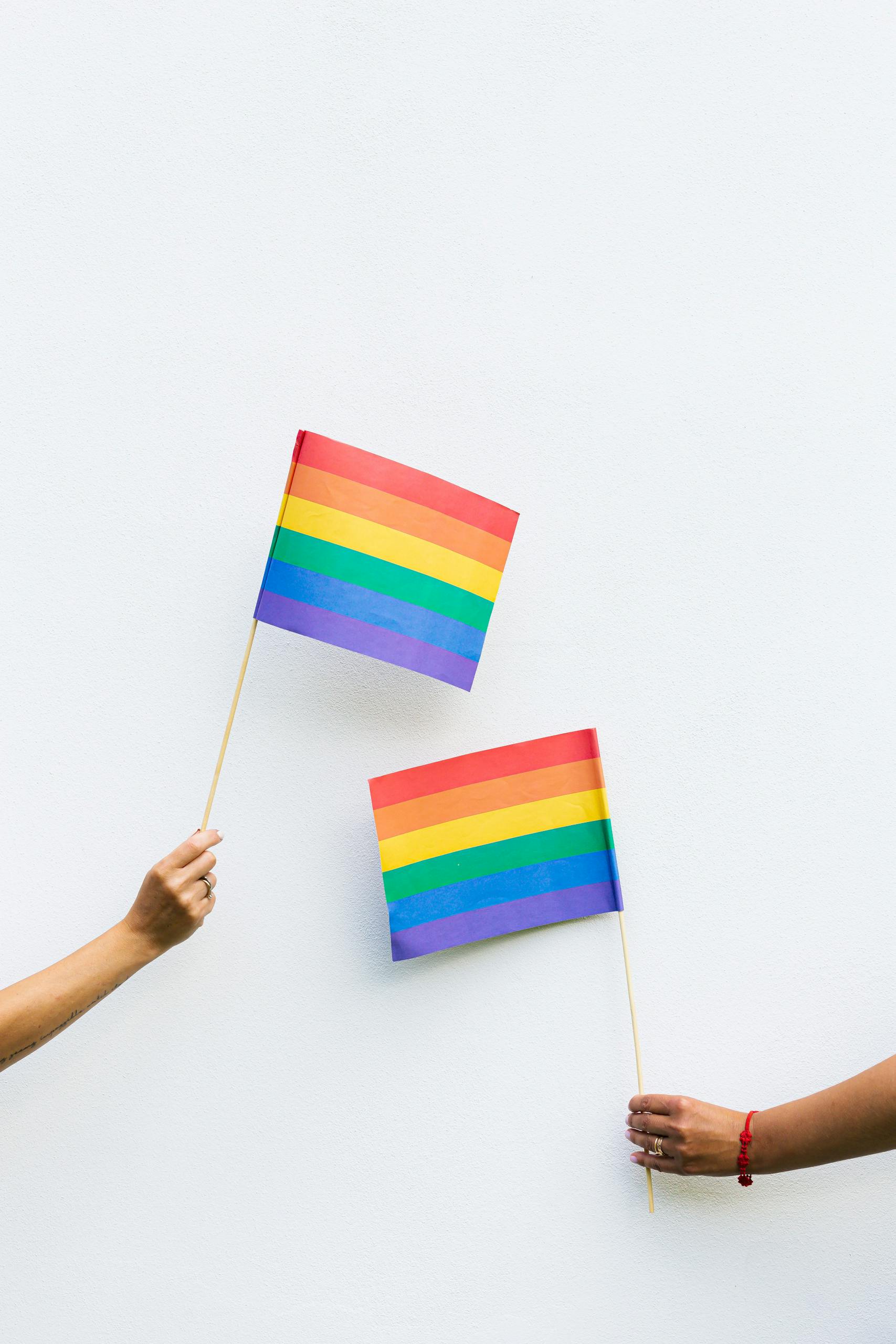
LGBTQ+ Relationships in Later Life: Love, Community, and Identity After 50
For LGBTQ+ adults over 50, the experience of love and relationship in later life carries dimensions that straight peers may not fully appreciate. This is a generation that came of age before marriage equality, before widespread legal protection, before the cultural visibility that younger LGBTQ+ people now navigate from the beginning. Many spent years or decades living closeted, or in marriages that did not reflect their true selves, or in partnerships that carried no legal recognition. The landscape they are aging into — one of legal marriage, growing cultural acceptance, and significantly greater visibility — is both genuinely better and still uneven in ways that matter.
The Unique Context of This Generation
LGBTQ+ adults over 50 have navigated relationship lives that look, in many cases, very different from their straight peers’ timelines. Some came out late — in their 40s or 50s, after marriages to opposite-sex partners, after children, after decades of living at a distance from their own truth. Some lost partners to the AIDS crisis and carry grief that is both personal and communal. Some spent years in relationships that existed without legal or social recognition and learned to build chosen families as a primary support structure.
These histories shape how later-life love and partnership look for this generation. They also represent resilience, creativity, and relationship wisdom that the broader culture has largely failed to recognize or honor.
Dating and Partnership After 50 in the LGBTQ+ Community
The dating landscape for LGBTQ+ adults over 50 presents specific challenges. The gay male dating app ecosystem, for example, is heavily weighted toward youth in ways that can make older men feel invisible or unwelcome. Lesbian dating communities in smaller cities may be sparse. Bisexual and pansexual older adults often report feeling unseen in both straight and LGBTQ+ spaces. Transgender and non-binary adults face additional complexity in finding partners who are affirming and genuinely knowledgeable.
At the same time, LGBTQ+ communities have strong traditions of intergenerational connection and chosen family that straight communities often lack. Mentoring relationships, community organizations, and LGBTQ+-affirming social groups can create meaningful connection even when romantic partnership is elusive.
LGBTQ+-specific dating resources for older adults include: OurTime (which includes LGBTQ+ options), HER (for LGBTQ+ women), Grindr and Scruff (with age filters for gay and bisexual men), and general apps like Hinge and OkCupid that include robust LGBTQ+ options. SAGE (Services and Advocacy for GLBT Elders) hosts community events and social programming specifically for LGBTQ+ older adults.
Legal Considerations
Legal marriage has been available nationwide since the 2015 Obergefell v. Hodges Supreme Court decision — but LGBTQ+ adults over 50 often have estate plans, beneficiary designations, and financial arrangements made in an era before marriage equality that may not reflect current legal reality or current relationship circumstances.
If you are in a committed partnership — married or not — review your estate documents. Healthcare proxy, power of attorney, will, trust, and beneficiary designations should reflect your current relationship and wishes. LGBTQ+ legal organizations including Lambda Legal and the National Center for Lesbian Rights can provide referrals to attorneys with specific LGBTQ+ estate planning expertise.
Coming Out in Later Life
A significant number of adults come out as gay, lesbian, bisexual, or transgender in their 50s, 60s, or later — often after long marriages or long periods of suppression. This experience is both liberating and genuinely complex: there is a life to reorganize, relationships to navigate, a community to find, and an identity to inhabit that may feel simultaneously very new and deeply familiar.
PFLAG (pflag.org) and SAGE (sageusa.org) both offer resources and community for older adults navigating coming out. Many therapists specialize in LGBTQ+ affirmative care for older adults. The experience of coming out late is increasingly visible and increasingly supported — not perfectly, but meaningfully better than it was even a generation ago.
Chosen Family
For many LGBTQ+ older adults, the concept of “chosen family” — a network of close friends and community members who provide the support, love, and continuity that biological family may not — is not a metaphor. It is a lived reality, built over decades, that rivals and in some cases surpasses the support that biological family provides.
As LGBTQ+ adults age, chosen family becomes increasingly important for practical as well as emotional reasons: who provides care when needed, who makes decisions in health crises, who is present at the end. Legal documents — healthcare proxy, power of attorney — are the tools that give chosen family members the legal authority to play these roles. Without them, biological family members — who may be estranged, unfamiliar, or actively hostile to an LGBTQ+ identity — may have authority by default.
Build your chosen family with intention. Document its legal standing. It is among the most important investments of your later years.
Related Articles
- The Fear of Marriage When You Have Assets: Protecting Yourself Without Losing Love
- Prenuptial Agreements After 50: What You Need to Know Before You Say I Do Again
- Adult Stepchildren: Why This Is the Hardest Relationship in Any Blended Family — and How to Navigate It
- Love & Connection After 50: Your Complete Guide to Relationships in the Second Half of Life
[…] LGBTQ+ Relationships in Later Life: Love, Community, and Identity After 50 […]
[…] LGBTQ+ Relationships in Later Life: Love, Community, and Identity After 50 […]
[…] LGBTQ+ Relationships in Later Life: Love, Community, and Identity After 50 […]