Widowhood and New Love: Navigating Grief, Guilt, and the Permission to Move On
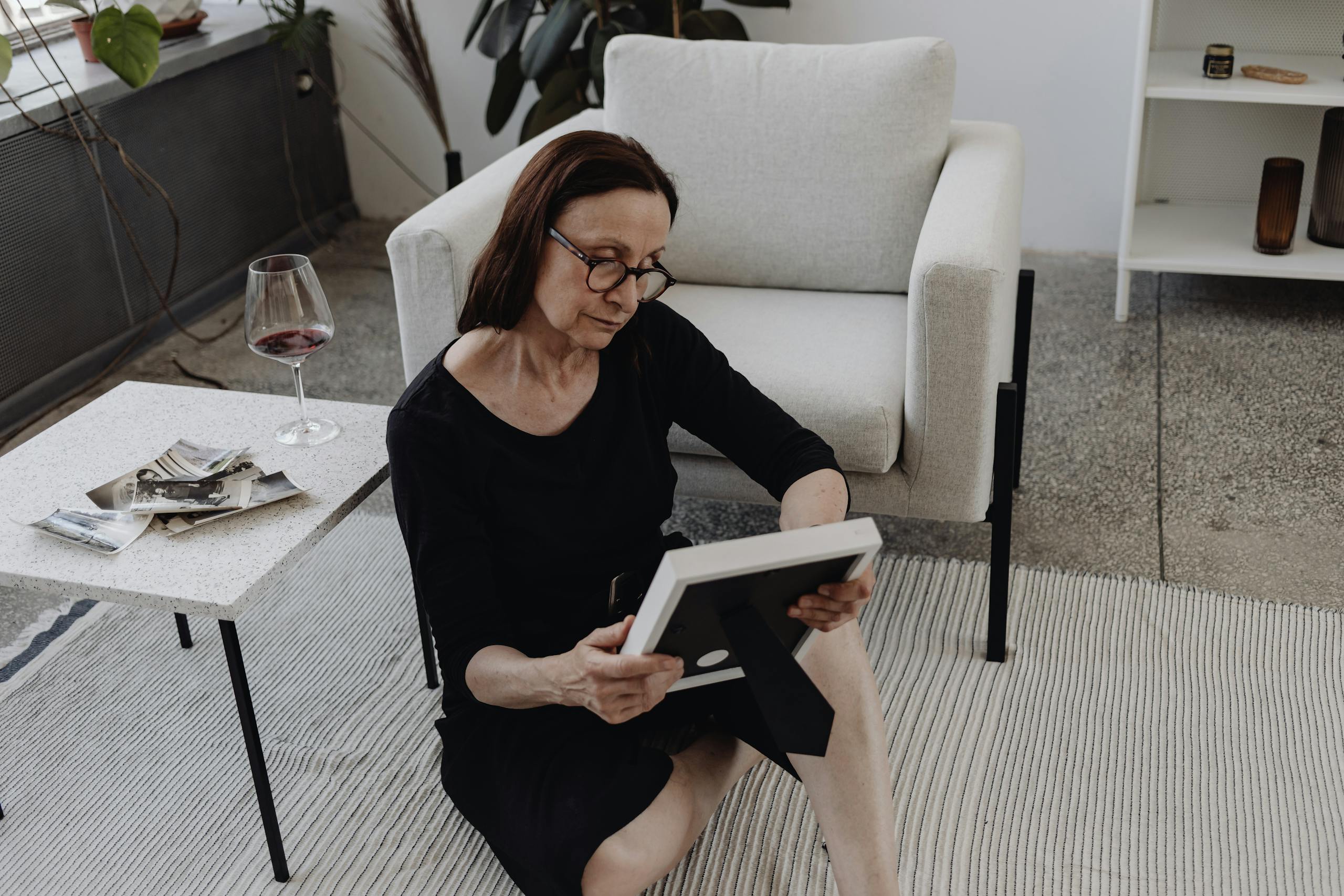
Grief does not follow a schedule. Neither does love. And when love arrives — unexpectedly, awkwardly, sometimes too soon by other people’s standards — the widowed person is often left to navigate one of the most emotionally complex terrains in human experience: the simultaneous presence of loss and new feeling, of loyalty to the past and openness to the future.
This article is for anyone who has lost a spouse and is trying to make sense of what comes next — whether “next” means cautious openness to dating, an unexpected new connection, or simply the question of whether moving on is even allowed.
The Permission Question
The first and most fundamental obstacle many widowed people face is the question of permission: Am I allowed to want this? Am I betraying my spouse by being attracted to someone else? Is it too soon? What will people think?
These questions are understandable. They are also, ultimately, based on a misunderstanding of what love is.
Love is not a finite resource that, once given, cannot be given again. Loving a new person does not diminish or dishonor the love you had for the person you lost. The human heart’s capacity for love is not a bank account with a fixed balance. Grief counselors and therapists who work with widowed people consistently report that many of their clients who found new love describe it not as a replacement of the old love, but as an expansion — a reopening of the capacity for connection that grief had contracted.
You do not need anyone’s permission to begin again. Not your children’s. Not your in-laws’. Not the hypothetical judgment of your deceased spouse. You are a living person, and you are allowed to live.
The Guilt That Arrives With Attraction
Many widowed people report a specific, disorienting experience: the moment they first feel attracted to someone new, they are flooded not with excitement but with guilt. The attraction itself feels like a betrayal.
This guilt is normal. It is also not a reliable guide to what you should do. Guilt in grief often functions as a loyalty signal — a way of reassuring yourself and your internal image of your spouse that you have not forgotten, that you are not moving on too fast, that you still honor what you had. It is grief, wearing a different costume.
Acknowledge the guilt without obeying it. You can feel guilty and still go on a date. You can feel loyal to your spouse’s memory and still be open to new connection. These are not contradictions.
Is There a “Right” Time?
People grieve differently and on entirely individual timelines. The idea that there is a correct waiting period before dating after the death of a spouse — one year is a common folk wisdom — has no clinical or psychological basis. Some people are ready to date within months of a loss; others are not ready for years. Neither timeline is wrong.
What matters is not the calendar but your actual readiness: Are you dating because you genuinely want connection, or because you are trying to escape the pain of grief? Are you able to be present with another person, or does every interaction become a comparison? Are you looking for a companion, or a surrogate for the person you lost?
Grief therapist David Kessler, who added a sixth stage of grief (finding meaning) to Elisabeth Kübler-Ross’s original five, notes that many widowed people find that new relationships become a context for continuing to integrate loss — not leaving the deceased behind, but incorporating their memory into a new life. This is not complicated or shameful. It is how healing often works.
What to Expect When You Start Dating
Dating after widowhood is different from dating after divorce in several important ways:
You may find yourself comparing. Everyone you meet will be measured, consciously or not, against the person you lost. This is normal, but it is worth noticing when comparison becomes an obstacle — when no one can measure up not because they are genuinely inadequate but because you are using comparison to maintain loyalty to the past.
The grief will surface in unexpected moments. A song, a restaurant, a casual reference — almost anything can trigger a wave of loss that arrives without warning. This is not a sign that you are not ready. It is a sign that you loved deeply. Be honest with a new partner about this; most people who are dating someone widowed expect this and appreciate the honesty.
You will bring your spouse into the relationship. Talking about your late spouse is natural and healthy. A new partner who is insecure about the role of the deceased in your life is not necessarily the right match; a partner who can hold space for your history with genuine generosity is.
Your support network may have opinions. Friends, family members, and children may have strong views about your timeline, your choices, and the person you are seeing. These opinions deserve thoughtful consideration — and ultimately, a limited say in decisions that are yours to make.
Getting Support
Individual therapy with a grief-informed therapist can be invaluable for widowed people navigating new relationships. Widowhood support groups — in person and online — provide community with people who understand the specific emotional landscape from the inside.
The website and community at Modern Widows Club (modernwidowsclub.com) and the American Widow Project (americanwidowproject.org) offer resources and community specifically for widowed people. The Soaring Spirits International organization (soaringspirits.org) hosts events and retreats for widowed people, including those who are open to new relationships.
You are allowed to grieve and to live simultaneously. Both are true. Both matter.
Related Articles
- Dating with Health Conditions: Navigating Chronic Illness in New Relationships
- Step-Grandparenting: How to Build Genuine Bonds with Your Partner’s Grandchildren
- Adult Stepchildren: Why This Is the Hardest Relationship in Any Blended Family — and How to Navigate It
- Dating After 50: A Practical Guide to Getting Back Out There

1 Response
[…] Widowhood and New Love: Navigating Grief, Guilt, and the Permission to Move On […]