




Voyager 1 Milestone: 3 Amazing Ways to Celebrate This Breakthrough Week
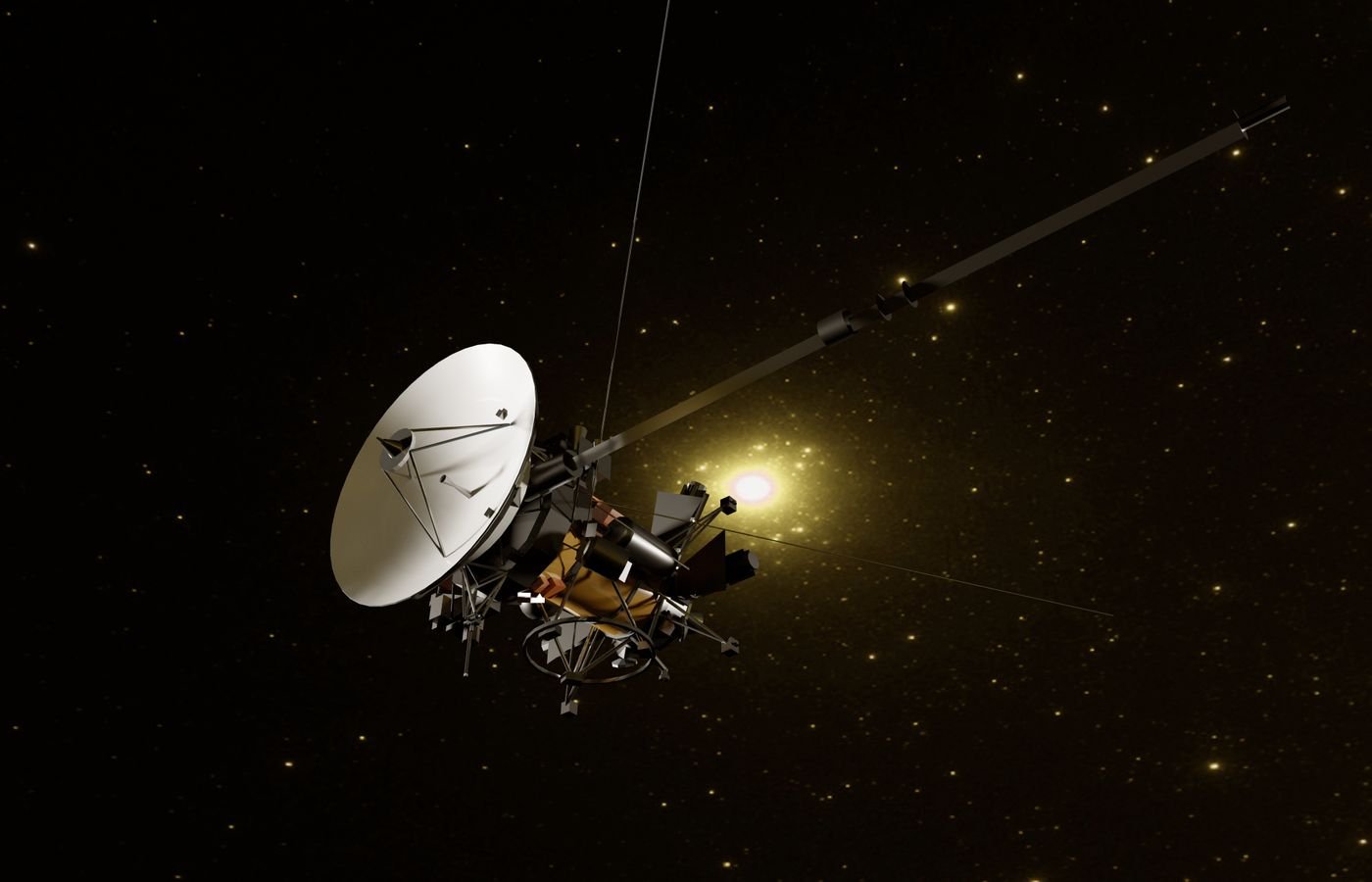
Voyager 1 reaches a breakthrough milestone this week. At 4:16 a.m. Central Time on Wednesday, November 18, 2026, NASA says the spacecraft will become the first human-made object to sit one light-day from Earth, about 16.1 billion miles away. Many adults over 50 remember its 1977 launch, and this Voyager 1 milestone is a chance to celebrate a mission that has traveled with us for nearly 50 years.
Why the Voyager 1 Milestone Matters to You
Voyager 1 lifted off on September 5, 1977. That was the year of Star Wars, disco, and the first Apple II. If you were a teenager or young adult then, this probe has been flying the whole of your adult life.
It carries the famous Golden Record, with greetings, music, and sounds of Earth meant for anyone who might find it. For many people, it is a symbol of curiosity and hope that never faded.
The mission was originally planned to last about five years. Instead, it flew past Jupiter in 1979 and Saturn in 1980, then kept going. In 2012, it became the first spacecraft to enter interstellar space.
The milestone is also a fun, free way to connect with grandchildren over science and history.
Key Facts and Context
- It took 49 years, 2 months, and 11 days to travel one light-day, or about 25.9 billion kilometers.
- A radio signal now takes roughly 24 hours to travel each way between Earth and the spacecraft.
- Most instruments have been shut down to save power. NASA turned off the Low-Energy Charged Particle instrument in April 2026.
- Its twin, Voyager 2, is projected to reach one light-day in November 2035.
Voyager 1 runs on a nuclear power source that loses a little energy every year. That is why NASA has been switching off systems one by one, a careful balancing act to keep the spacecraft talking as long as possible.
Engineers continue to nurse the aging spacecraft along, proving that well-built things, and dedicated teams, can last far longer than anyone expected.
What This Space Milestone Means for You
You do not need a telescope to take part. These three easy steps let you join the celebration.
Will You Join NASA’s “Shine Bright” Celebration?
After sunset on Tuesday, November 17, NASA invites people worldwide to flash “V-G-R” in Morse code with a flashlight, phone, or glow stick. NASA even offers an automated flasher tool online. It is a simple, joyful way to say thank you to a spacecraft launched in our youth.
How Can You Share the Story With Grandchildren?
Explain what one light-day means: light, the fastest thing there is, needs a full day to reach Voyager. Then listen together to sounds from the Golden Record online. Sharing memories of 1977 turns a science fact into family history.
Where Can You Go to See the Night Sky?
Plan a stargazing outing away from city lights. A local park, lake, or dark-sky area makes a memorable evening. Use TripsNearby to discover nearby outdoor spots and day trips worth the short drive, and dress warmly for late-fall evenings.
If evening outings are harder for you, enjoy the milestone from home. NASA’s website shares live distance counters and mission photos, and many public libraries and planetariums host free space programs during milestone weeks.
Looking Forward
Voyager 1 will keep drifting outward long after its last signal fades. Like the SS United States finding a new legacy or fans who keep Elvis’s legacy alive, it reminds us that great achievements outlive their moment.
The takeaway: step outside Tuesday night, shine a light, and celebrate a journey that began when we were young.
Sources: EarthSky; NASA via IFLScience.