
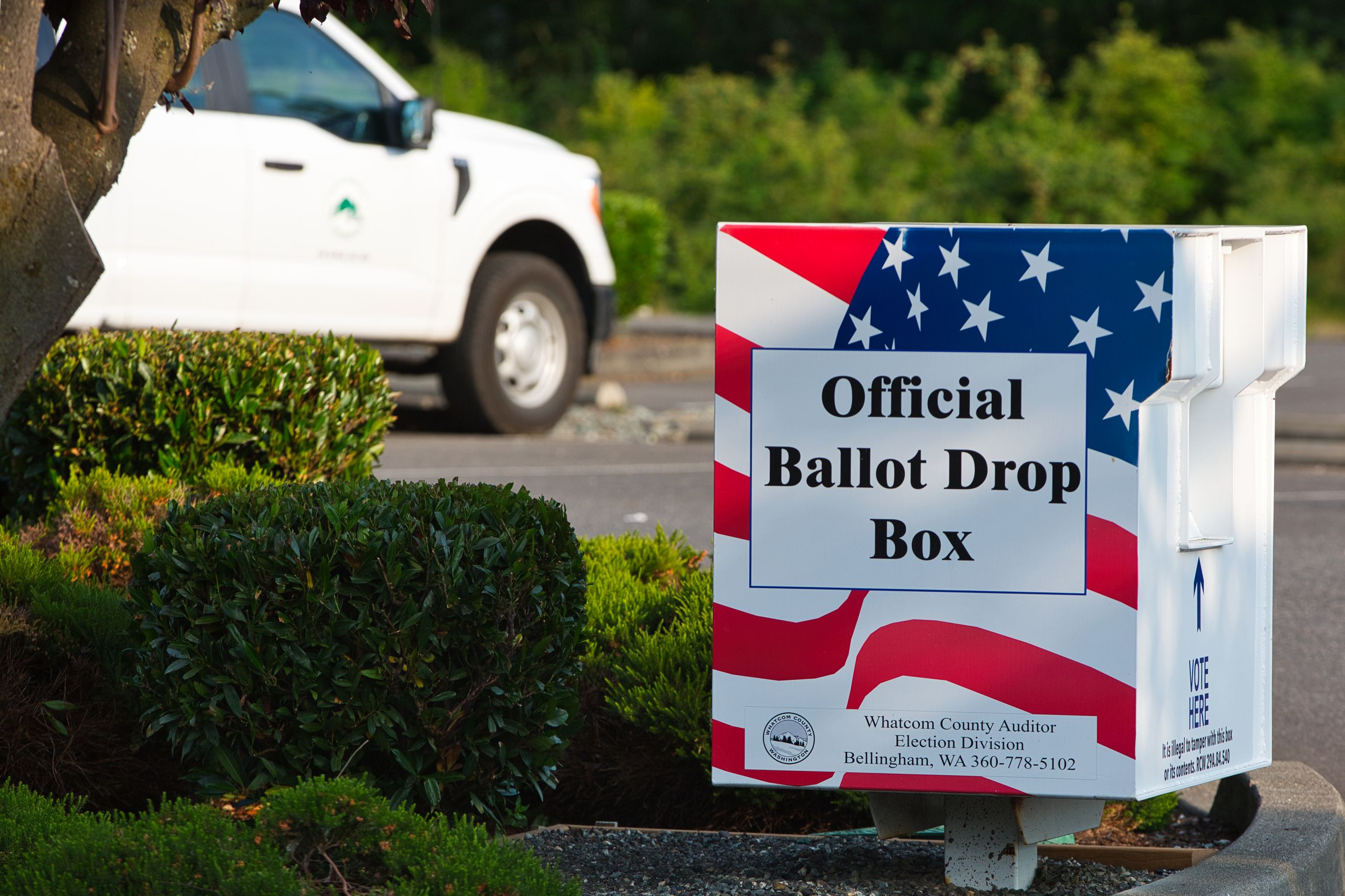
Supreme Court Protects Your Mail-In Ballot: Good for Seniors

If you vote by mail, a Supreme Court ruling handed down this week directly affects whether your ballot gets counted. In Watson v. Republican National Committee, decided 5-4 on June 29, the Court upheld a Mississippi law allowing absentee ballots postmarked by Election Day to be counted if they arrive up to five days later, rejecting a Republican National Committee challenge that argued federal law required same-day receipt.
Why This Matters to You
Adults 50 and older use mail-in and absentee voting at higher rates than younger voters, often due to mobility, health, or scheduling reasons. A ruling that preserves grace periods for ballots that arrive slightly late, as long as they were mailed on time, directly protects that voting method for millions of older Americans.
Key Facts & Context
Justice Amy Coney Barrett wrote the majority opinion, joined by Chief Justice John Roberts and the Court’s three liberal justices. The decision confirms that federal election-day statutes do not preempt state laws like Mississippi’s that allow a short receipt window after Election Day, preserving each state’s authority to set its own ballot-receipt rules.
This matters beyond Mississippi. Similar grace-period laws exist in a number of other states, and this ruling reduces the legal uncertainty around whether those laws could be challenged and struck down nationally.
What This Means for You
Know your state’s specific deadline
Grace periods vary significantly by state, from no grace period at all to several days. Check your state election office’s website well before any upcoming election to confirm your state’s exact postmark and receipt deadlines.
Mail your ballot early regardless
Even with legal grace periods intact, mailing your ballot as early as possible remains the safest way to ensure it’s counted, since postal delays are outside your control.
Explore more: Staying informed on policy changes that affect your daily life is easier with the right tools.
Looking Forward
With this ruling settling one major question ahead of upcoming election cycles, voting rights groups expect states to move forward with confidence in maintaining or even expanding mail ballot grace periods, rather than rolling them back under legal threat.