





How Today’s Stock Rally Could Actually Change Your Retirement Plan
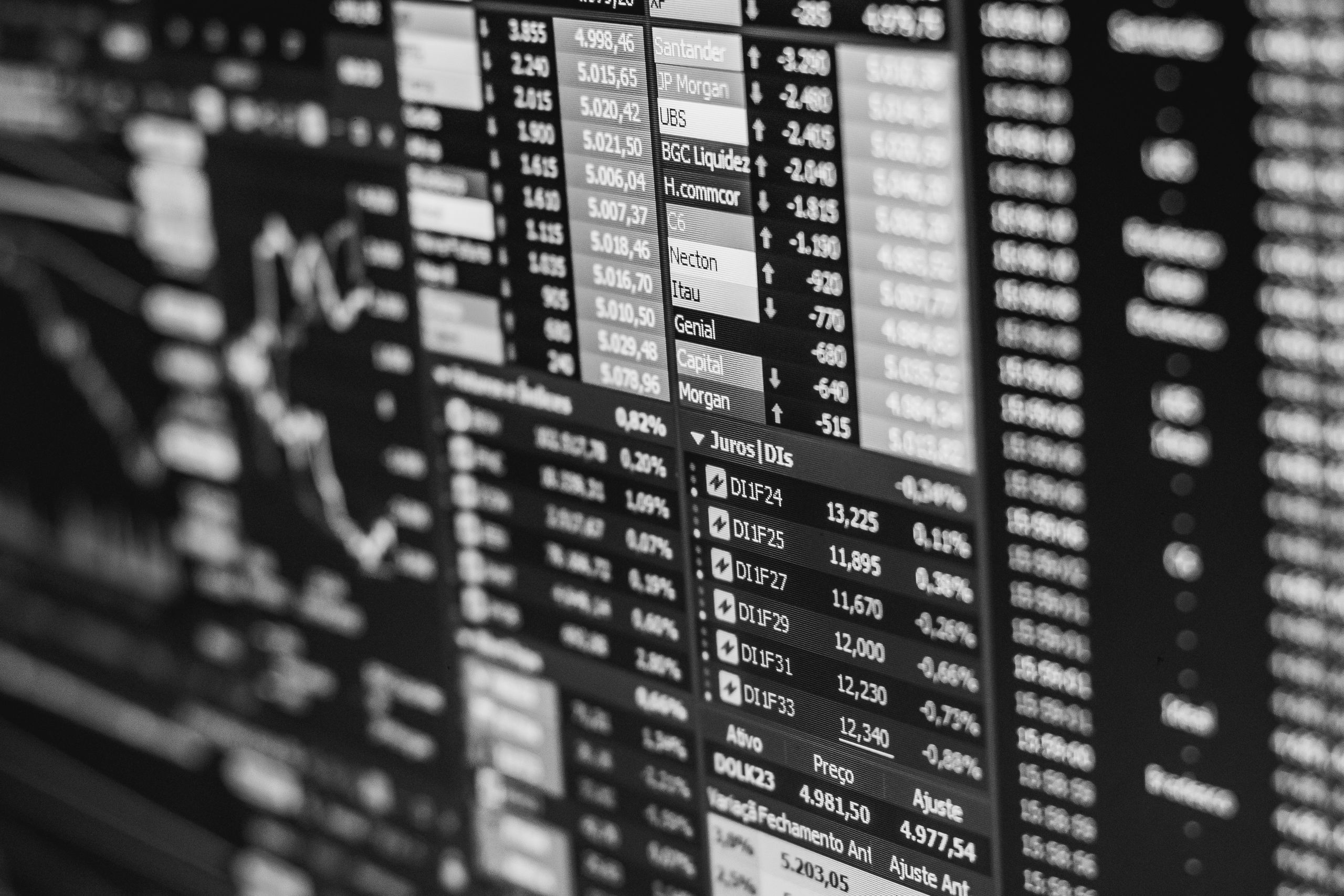
Your retirement savings likely moved today, whether you noticed or not. The S&P 500 climbed 1.48% to a fresh high, reversing a rocky July, as investor confidence returned to technology and growth stocks—the same holdings that make up a large share of many 401(k) and IRA target-date funds.
Why This Market Move Matters to Your Retirement Savings
Most adults 50 and older hold the bulk of their retirement savings in employer 401(k) plans or IRAs, and a large share of that money sits in stock market index funds. That means a day like today—a broad rally following weeks of volatility—directly changes your account balance and, potentially, your retirement timeline.
For those within a decade of retirement, this kind of swing matters more than it does for a 30-year-old investor. Sharp market moves in either direction can affect how much you can safely withdraw and when you can comfortably stop working, which is why understanding what’s driving them helps you make calmer, better-informed decisions.
Key Facts & Context Behind the Rally
Monday’s rally marked a sharp reversal from July’s technology-led selloff, as investors regained confidence that heavy corporate spending on new technology is generating real returns rather than speculative losses.
- S&P 500 closed at 7,600.50, up 1.48%
- Technology and growth stocks led gains after a rough July
- Major companies reported quarterly earnings this week, adding to investor optimism
- Easing geopolitical tension also lifted investor confidence
For retirement savers, the takeaway isn’t which specific stocks moved—it’s that markets remain volatile in both directions, and reacting to any single day’s headlines rarely improves long-term outcomes. Our tax-efficient retirement strategies guide covers how to manage withdrawals during volatile years.
What This Means for Your Retirement Plan
You don’t need to trade on today’s news to benefit from understanding it. What matters is making sure your overall retirement strategy can weather both the rallies and the selloffs.
Should I check my asset allocation after a big market swing?
A rising balance feels good, but the more important question is whether your mix of stocks and safer investments still matches your timeline. Someone retiring next year should generally carry less market risk than someone with 15 years left to save.
Should I move money into whatever just rallied?
It’s tempting to move more money into whatever just rallied, but performance-chasing after a strong day often backfires. Stick to a written plan rather than reacting to headlines.
How do I know if my retirement number still holds up?
If you’re unsure whether your current savings and Social Security timing will actually support your retirement goals, a coaching session or planning tool can pressure-test your assumptions before you make any moves. See our Personal Finance hub for more planning resources.
Explore more: Get a personalized read on your retirement readiness with Coached by Bukky. Visit coachedbybukky.com.
Looking Forward
Markets are likely to stay volatile through the rest of 2026 as investors weigh corporate earnings, interest rate decisions, and global events day to day. Rather than trying to predict the next move, retirement savers are better served by revisiting their allocation, withdrawal plan, and timeline on a regular schedule—so a single rally, or a single selloff, never has outsized power over decisions that took decades to build.