
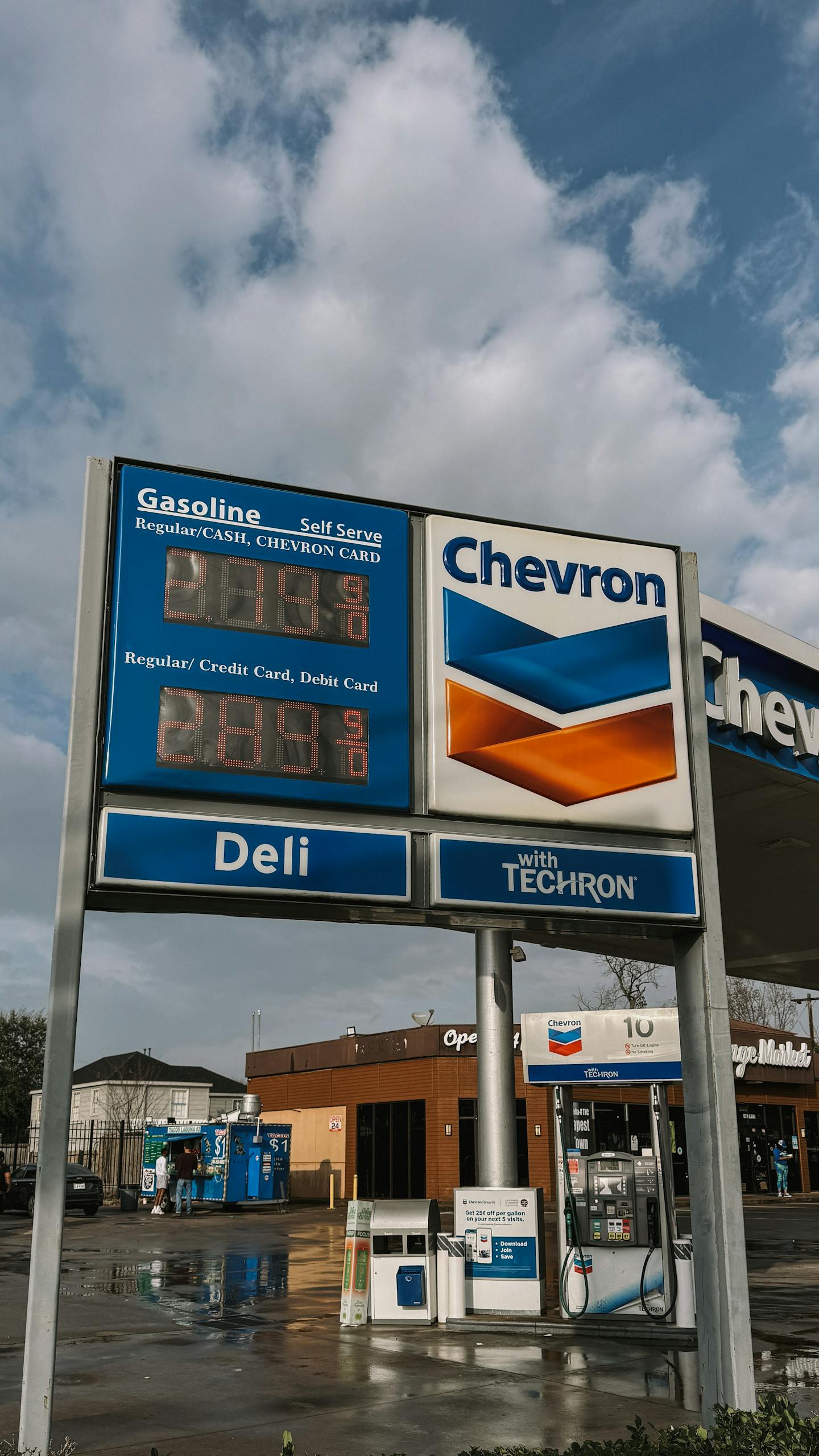
Gas Prices Spike With Iran Conflict —Protect Your Retirement

Oil prices jumped and global stock markets wobbled this week after renewed U.S.-Iran military strikes disrupted shipping through the Strait of Hormuz, reviving fears of a 1970s-style energy shock. For retirees drawing down 401(k)s and IRAs, this kind of sudden market volatility can do lasting damage if withdrawals coincide with a downturn — a risk known as sequence-of-returns risk.
Why This Matters to You
When you’re still working, a market dip is a paper loss you can wait out. But retirees who withdraw money from investment accounts during a downturn lock in losses permanently, shrinking the nest egg that has to last the rest of their lives.
Rising oil prices also hit retirees’ budgets directly through higher gas, heating, and grocery costs — expenses that eat a larger share of a fixed income than a paycheck that adjusts for inflation. Social Security cost-of-living adjustments typically lag actual price increases by many months, which means the squeeze on household budgets often arrives well before any offsetting benefit increase does.
Key Facts & Context
Crude oil prices, which had fallen back to roughly pre-conflict levels near $75 a barrel, jumped again after the U.S. launched fresh strikes on Iranian targets this week. Asian markets fell in response, with Japan’s Nikkei down nearly 2% and South Korea’s Kospi declining further.
Economists have compared the disruption to the 1970s energy crisis, warning of a mix of supply shortages, currency volatility, and inflation that could pressure the Federal Reserve to keep interest rates elevated — a dynamic that also affects bond returns many retirees rely on for steady income.
The Strait of Hormuz carries roughly a fifth of the world’s oil supply, so disruptions there tend to ripple through gas prices within days rather than weeks. That speed is part of why this kind of geopolitical shock hits household budgets faster than typical economic cycles.
What This Means for You
You can’t control oil markets or geopolitics, but you can control how your retirement plan responds to volatility.
Action 1: Review Your Withdrawal Strategy
If you’re taking regular distributions from a 401(k) or IRA, check whether you can temporarily draw from cash reserves or bonds instead of stocks during this volatility, giving equity investments time to recover.
Action 2: Stress-Test Your Budget
Recalculate your monthly expenses assuming gas and utility costs rise 10-15%. Identifying the gap now — rather than after bills arrive — gives you time to adjust discretionary spending.
Action 3: Resist Reactive Moves
Selling investments in a panic during a geopolitical shock often locks in losses right before markets recover. A brief conversation with a financial professional can help you separate short-term noise from decisions that actually affect your long-term plan.
For more, see our Personal Finance hub and our guide to building diversified retirement income.
Explore more: Coached by Bukky offers personalized income coaching to help retirees build a withdrawal strategy that can weather market swings. Visit coachedbybukky.com.
Looking Forward
Markets often stabilize once geopolitical tensions ease, but volatility tied to Middle East oil supply has proven unpredictable in 2026. The retirees who fare best through episodes like this aren’t the ones who predict the next headline — they’re the ones with a withdrawal plan and budget cushion built before the news breaks. Reviewing your plan now, while the situation is still developing, gives you far more options than waiting until the next headline forces your hand.