





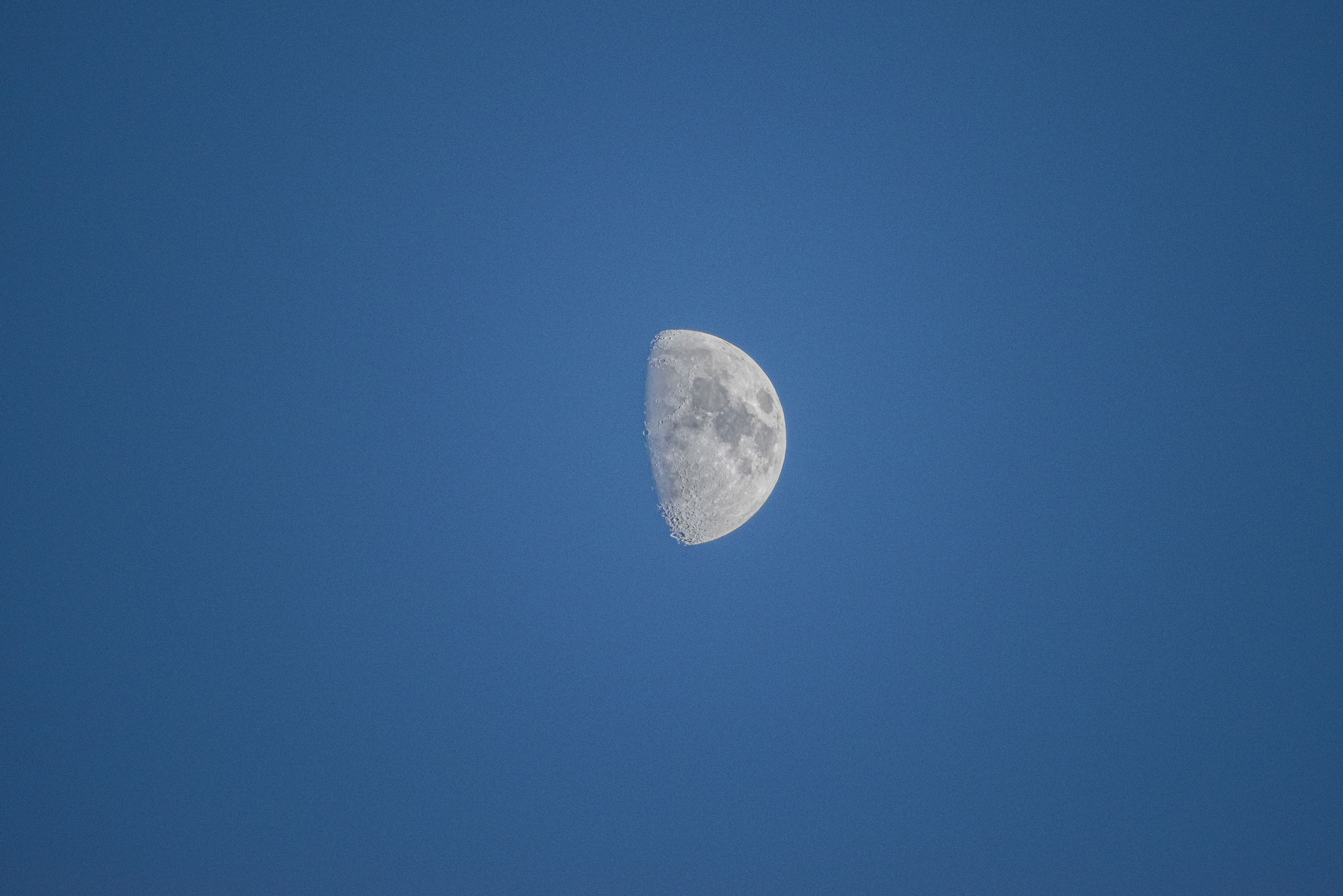
Moon Day Turns 57: Why This Anniversary Is Important
Moon Day anniversary celebrations mark 57 years since Neil Armstrong and Buzz Aldrin first stepped onto the lunar surface on July 20, 1969, while Michael Collins orbited above. For many adults over 60, this isn’t distant history, it’s a vivid, shared memory of gathering around a television with family to watch history unfold. Discover why this milestone still resonates, and simple ways to celebrate it with the people you love.
Why This Matters to You
If you were alive in 1969, the Apollo 11 landing likely isn’t something you read about, it’s something you remember. An estimated 600 million people watched the moon landing live, making it one of the most-witnessed events in television history at the time.
For adults 50 and older, Moon Day anniversary celebrations offer a rare chance to share a genuinely shared cultural memory across generations, turning a history lesson for grandchildren into a personal story only you can tell firsthand, a theme we return to often in our guide to grandparenting in the digital age.
Key Facts & Context
International Moon Day, officially recognized by the United Nations in 2021, falls every July 20 to commemorate the 1969 landing. This year marks the 57th anniversary of Apollo 11’s touchdown in the Sea of Tranquility.
Celebrations continue nationwide, including Space Fest events in Huntsville, Alabama, and special lunar-themed programs at Space Center Houston. NASA and space agencies worldwide have used the milestone to highlight renewed lunar exploration plans, a shift in focus we touched on in our piece on intergenerational living trends.
What This Means for You
How can I share my own moon landing memory?
Whether you watched from a living room, a backyard, or a crowded bar, your personal memory of July 20, 1969, is a piece of living history. Sharing it with grandchildren or younger family members turns an abstract date into a real, relatable story.
Is the original footage worth watching again?
Original broadcast footage from that night is widely available online. Watching it together, especially with grandchildren who’ve only seen it in textbooks, can spark meaningful conversation about how much has changed since 1969.
Where can I find Moon Day events nearby?
Many science museums and planetariums host Moon Day programming each July. A short family outing can combine nostalgia with a fresh, hands-on look at how far space exploration has come since Apollo 11.
Explore more: Planning a family outing or a lunar-themed getaway? TripsNearby helps you find nearby museums, planetariums, and events worth the drive. Visit tripsnearby.com.
Looking Forward
As NASA and private companies plan new crewed lunar missions in the years ahead, Moon Day anniversary celebrations are likely to grow even more prominent. For those who remember 1969 firsthand, this year’s 57th anniversary is a fitting moment to pass that memory on, and perhaps watch the next chapter of lunar exploration unfold together with the next generation.
Even a brief conversation over dinner about where you were that July evening can turn Moon Day from a calendar footnote into a meaningful family tradition, one worth repeating every year this milestone comes back around.