
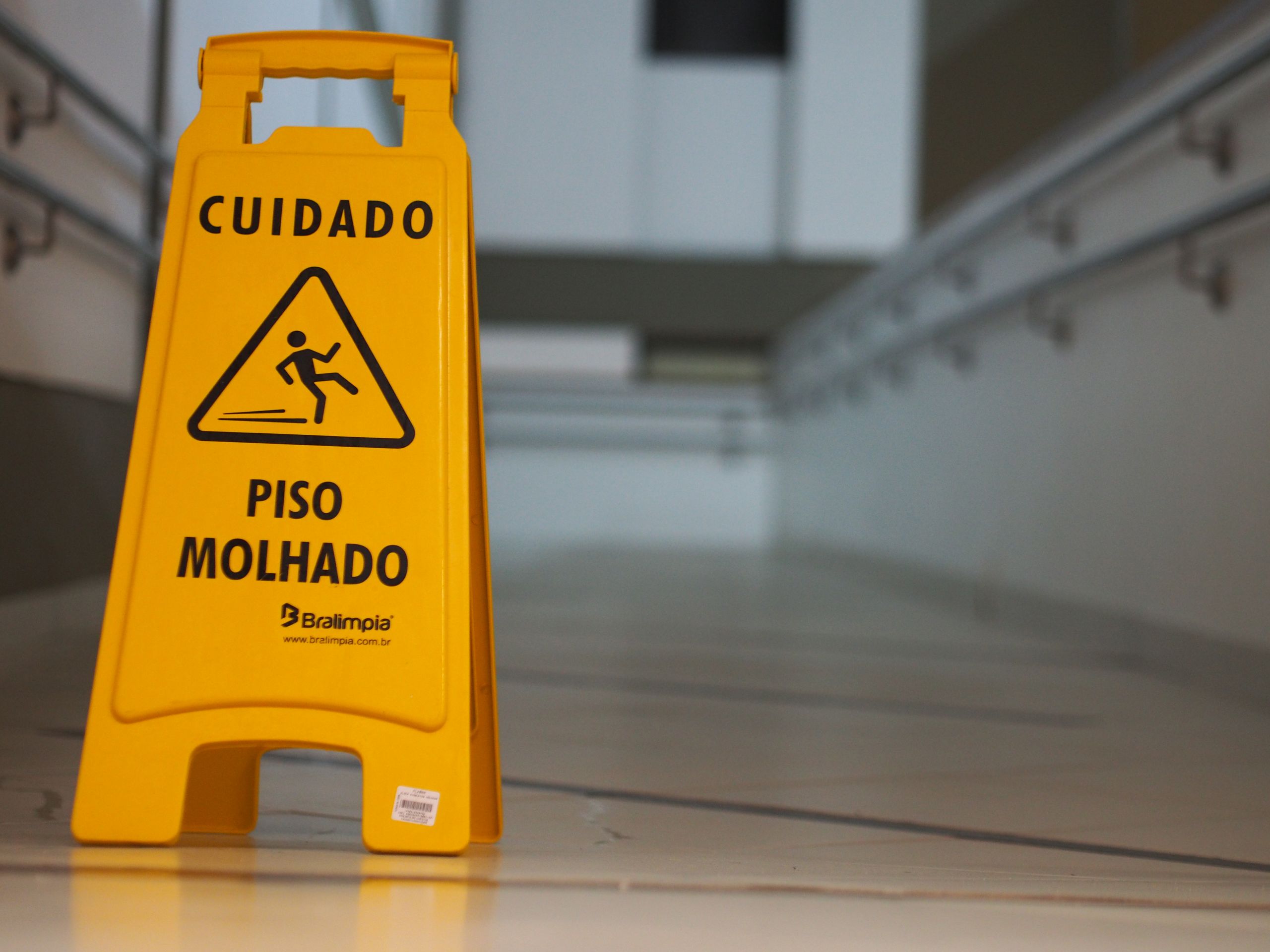
McConnell’s Fall Reveals a Hidden Health Risk for Older Adults

Sen. Mitch McConnell, 84, broke weeks of public silence this week to reveal that a fall — not a stroke or cardiac event, as some had speculated — led to his June hospitalization. His office says the fall stemmed from a decades-old post-polio condition and that McConnell has “experienced several falls through the year.” His disclosure puts a national spotlight on a health issue that quietly affects millions of older adults: falls remain the leading cause of injury and injury-related death among Americans 65 and older.
Why This Matters to You
What makes McConnell’s story resonate isn’t just the fall itself — it’s the weeks of silence beforehand. His office initially offered only that he was “receiving excellent care,” and McConnell himself later acknowledged hesitating to share “the vulnerability that comes with growing older.” That reluctance is common. Many older adults minimize or hide falls out of fear of losing independence, and that silence can delay the medical evaluation and home safety changes that prevent the next, more serious fall.
Key Facts & Context
According to the CDC, more than one in four adults 65 and older falls each year, but fewer than half tell their doctor about it. McConnell’s medical team determined he had no fractures, stroke, tumor, or cardiac abnormality, but he was treated for mild pneumonia — a common complication after a fall in an older adult, since reduced mobility during recovery raises infection risk. His office says physical therapy is now focused specifically on reducing his risk of falling again, a standard and effective intervention available to anyone.
What This Means for You
Whether you’ve had a fall recently or simply want to reduce your risk, a few practical steps make a measurable difference.
Action 1: Report every fall to your doctor, even minor ones
A fall without visible injury can still signal an underlying issue — vision changes, medication side effects, or muscle weakness — worth investigating before a more serious fall happens.
Action 2: Ask about a balance and strength assessment
Physical and occupational therapists can identify specific fall-risk factors and design a targeted exercise program, similar to what McConnell’s team has implemented, often covered in part by Medicare.
Action 3: Fall-proof your home’s highest-risk areas
Bathrooms, stairs, and poorly lit hallways account for a large share of home falls. Grab bars, non-slip mats, and better lighting are inexpensive changes with an outsized safety payoff.
Explore more: Home safety modifications can meaningfully reduce fall risk for aging-in-place households. See how Home360 helps families assess and upgrade home safety, and explore Coached by Bukky for support navigating the emotional side of aging and asking for help.
Looking Forward
McConnell says he intends to finish his term despite his health challenges. His candor, even if delayed, offers a useful prompt for readers 50 and older: talking openly about falls — with family, friends, or a doctor — is not a loss of independence but a step toward protecting it. For more on navigating major life changes later in life, see our feature on adjusting to unexpected life transitions.