
Mail-in Voting Protection For Seniors & New Grace Period

The Supreme Court just ruled in favor of mail-in voting accessibility for seniors, upholding a policy that gives election officials five days to count ballots postmarked by Election Day. On June 29, 2026, the 5-4 decision in Watson v. Republican National Committee confirms what millions of older Americans already know: voting from home matters. Here’s why this ruling changes the game for your right to participate in elections.
Why This Matters to You
For many adults 50+, getting to the polling place isn’t simple. Mobility challenges, transportation barriers, and health conditions make mail-in voting essential—not a convenience. The Supreme Court’s decision protects your ability to vote safely from home without worrying that a delayed ballot will be discounted.
Eighteen states already honor ballot grace periods, and the ruling confirms they can continue. For the roughly one-third of 50+ voters who rely on mail-in ballots, this decision removes uncertainty and strengthens voting access in an era when your voice in elections is more important than ever.
Understanding the Ruling: Grace Periods Protect Your Vote
The court’s decision upholds Mississippi’s law allowing election officials to count mail-in ballots received up to five days after Election Day, as long as they’re postmarked by Election Day itself. Justice Amy Coney Barrett wrote the majority opinion, joined by Chief Justice John Roberts and the court’s liberal justices.
This means if you mail your ballot early and postal delays occur—something that happens routinely—your vote still counts. Eighteen states and territories now have similar grace periods, including California, Illinois, and New York. A dozen more states extend grace periods specifically for overseas voters, including active-duty military members.
What This Victory Means for Older Voters
Your Vote Won’t Be Lost to Mail Delays
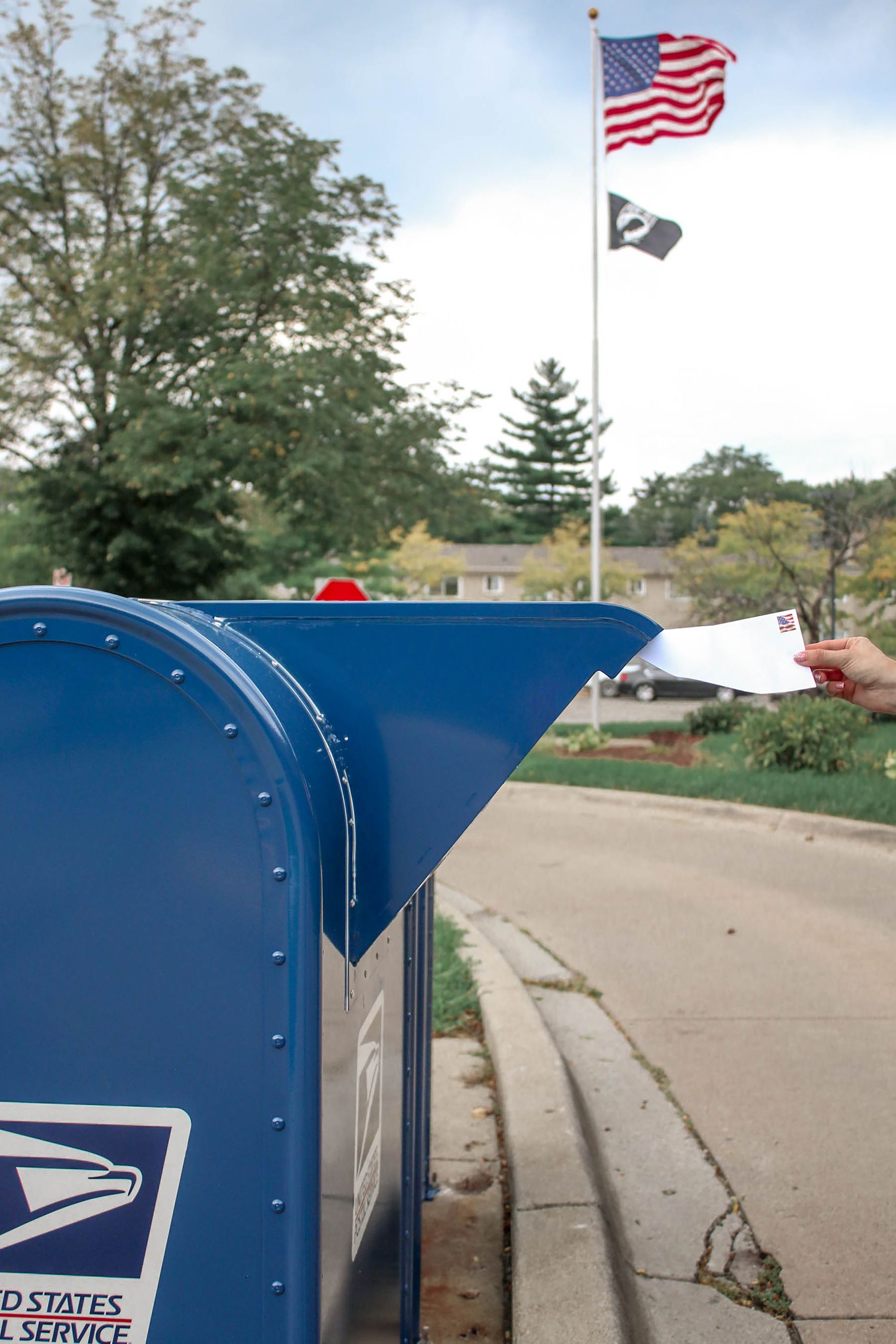
Mail isn’t always fast. A ballot mailed four days before the election might arrive on Day Six—previously risking invalidation in some states. Now, with the Supreme Court’s backing, that ballot counts. You can mail early without anxiety about tight deadlines.
Voting Accessibility Just Became More Secure
For seniors managing arthritis, vision challenges, transportation difficulties, or health conditions requiring frequent medical appointments, mail-in voting is more than convenience—it’s essential access. This ruling affirms your right to participate without barriers that younger voters rarely face.
Plan Ahead: Request Your Ballot Early
Even with grace periods in place, request your ballot as early as possible. Most states allow requests 20-30 days before Election Day. Fill it out promptly, sign it correctly (signature mismatches remain a common reason ballots are rejected), and mail it at least one week before Election Day when possible.
Explore more: Voting access and civic engagement matter at every life stage. Learn how to stay politically active and informed with resources at Seasoneds.
Looking Forward: Protecting Your Vote in 2026 and Beyond
The 2026 midterm elections are coming, and this Supreme Court ruling ensures your voice can be heard—safely, securely, and from home if needed. No matter your voting method, the key is early action: request ballots early, understand your state’s rules, verify your registration, and mail ballots with time to spare.