Catastrophic Nepal Floods Kill 389; Older Adults Among Most Vulnerable: What to Know
Why This Global Disaster Affects Older Adults Worldwide
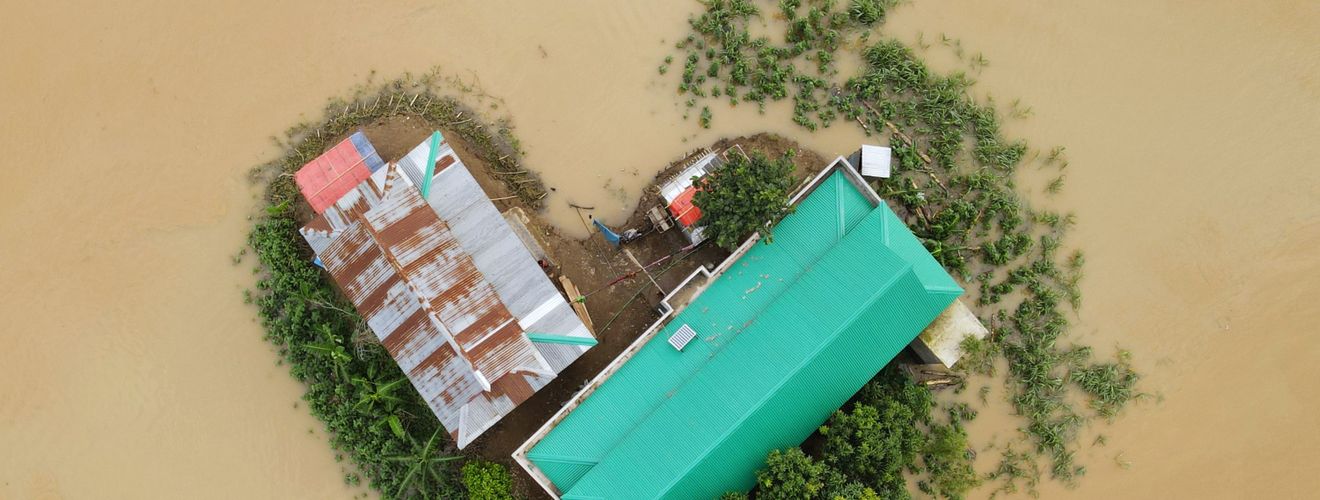
On August 26, 2026, an unprecedented series of flash floods struck Nepal’s Rasuwa and Nuwakot districts, unleashing catastrophic destruction along a 72-kilometer stretch of the Trishuli River. The death toll stands at 389 confirmed dead in Nepal, 3 in China, with over 900 people still missing. Yet beneath these staggering numbers lies a reality that older adults globally must confront: older people are disproportionately vulnerable in natural disasters.
This tragedy offers a sobering reminder: as we age, our capacity to evacuate quickly, secure resources independently, and survive harsh post-disaster conditions diminishes. From Nepal to Puerto Rico to California, climate disasters increasingly test whether our communities can protect our most vulnerable elders.
Why Older Adults Face Compounded Risk in Floods and Disasters
Natural disasters don’t affect all people equally. The International Federation of Red Cross and Red Crescent Societies (IFRC) identifies older people among the highest-risk groups during emergencies. Why?
Physical barriers to evacuation: Mobility challenges, arthritis, balance issues, and chronic illness slow escape. Older adults cannot swim to safety or climb steep mountain terrain as quickly as younger people. In Nepal’s mountainous terrain, this meant elderly villagers were among the last evacuated—if at all.
Chronic health dependency: Seniors relying on daily medications, oxygen, dialysis, or other medical support face life-or-death challenges when hospitals overflow and supply chains break. In Nepal’s disaster, hospitals were flooded, medications were lost, and older patients with heart disease or diabetes faced immediate danger.
Social isolation and fewer resources: Elderly people living alone or far from family cannot always access information about evacuation routes or rescue operations. Language barriers, hearing loss, and cognitive changes compound the challenge.
Economic vulnerability: Older adults on fixed incomes have fewer financial reserves to rebuild after disasters. Insurance coverage is often inadequate; recovery takes years.
The Nepal Disaster: A Case Study in Elder Vulnerability
Nepal’s August 26 catastrophe demonstrates all these factors. The IFRC reports that rescue teams prioritized vulnerable groups, including elderly survivors who were airlifted to safety by 69 helicopter operations that rescued 573 citizens. Photos showed police officers carrying frail elderly residents to higher ground. Yet over 900 people remain missing—many of them likely older adults who couldn’t evacuate in time.
The wider region faces compounded challenges: 65 Americans were listed among the missing—many likely retirees trekking or living in Nepal. For older travelers and expats, disaster preparedness is rarely top-of-mind.
Preparing Yourself and Your Loved Ones for Climate Disasters
Action 1: Create a Personal Disaster Plan Tailored to Aging Needs
Document your medications, allergies, and medical devices. Keep copies in waterproof bags at home and in your car. Identify neighbors or family members who can assist you in evacuation. If mobility is limited, discuss assisted-evacuation resources with your local emergency management office now—don’t wait for a disaster.
Action 2: Build a 30-Day Emergency Supply for Chronic Conditions
Stock medications, glucose monitors, hearing aid batteries, mobility aids, and any specialized medical equipment. In Nepal, hospitals were overwhelmed within hours. Having independent medical supplies for one month ensures survival if professional help is delayed.
Action 3: Stay Informed About Climate Risks in Your Region
Whether you live in a flood zone, wildfire area, or hurricane corridor, understand your specific risk. Sign up for local emergency alerts. Participate in community preparedness programs. If you travel internationally, research disaster risks in your destination and have evacuation insurance.
A Global Aging Population Facing Climate Reality
Nepal’s tragedy is not isolated. Flash floods in Pakistan (2022), wildfires in California (2023), hurricanes in Puerto Rico (2024), and heat waves globally are all becoming more frequent and severe. As the global population ages, more older adults live in disaster-prone areas with fewer resources to escape.
The 389 lives lost in Nepal represent a preventable tragedy—not in the sense that floods can be stopped, but that older-adult mortality in disasters can be reduced through preparation, inclusion in emergency planning, and prioritizing elder evacuation.