What Comes Next: A Framework for the Question Everyone Asks at 50
A structured way to sit with the biggest question of this stage, instead of waiting for it to resolve itself. Why a framework at all People often resist applying a framework to a...
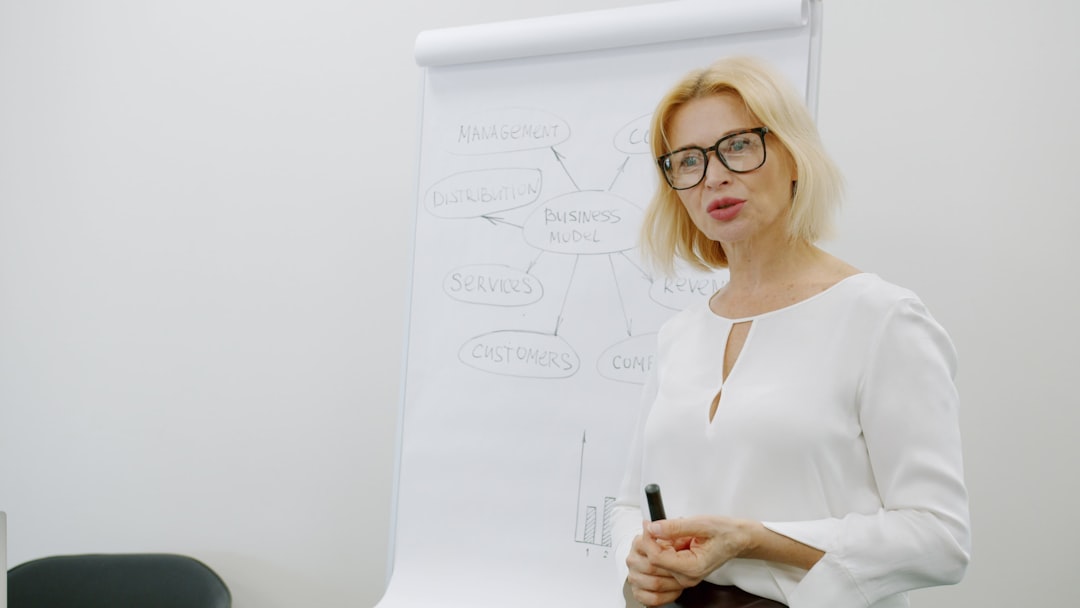
A structured way to sit with the biggest question of this stage, instead of waiting for it to resolve itself. Why a framework at all People often resist applying a framework to a...
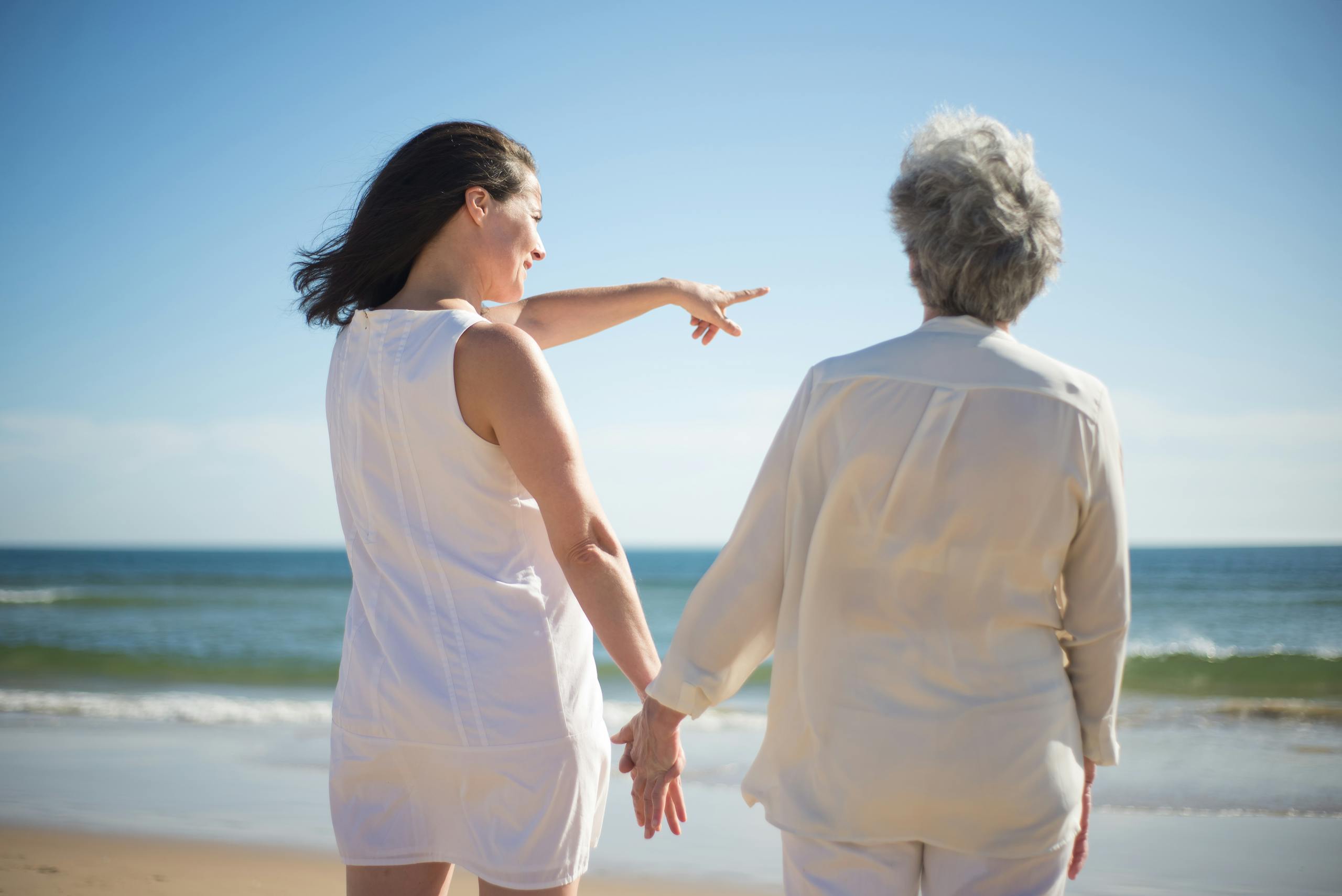
The family relationships of people over 50 are in active reconfiguration in ways that rarely get the attention they deserve. Children who were dependent are now adults with their own lives, opinions, and families. Parents who were independent are now aging into needs that require attention and plann…
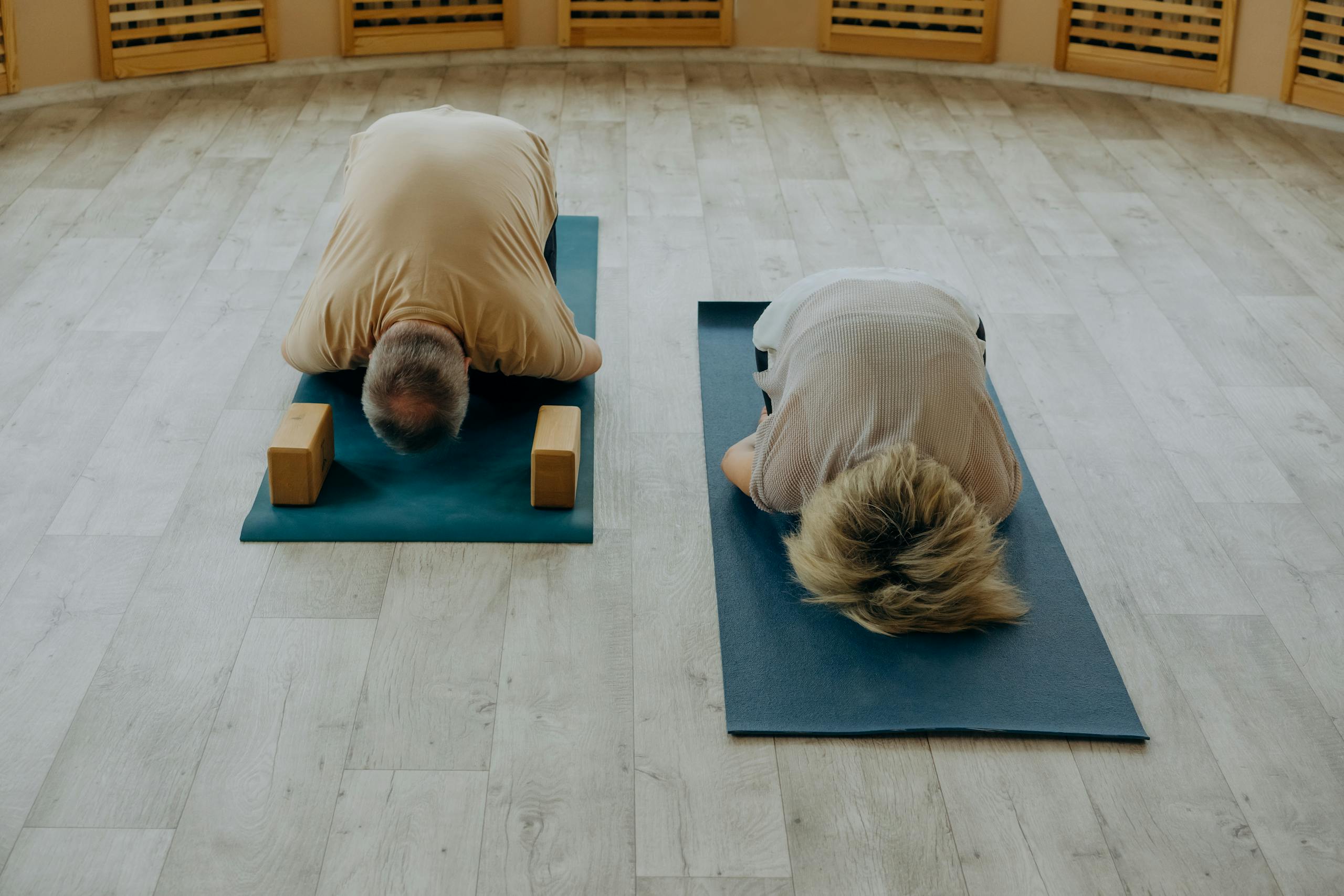
Almost everyone knows they should exercise more. Most people have started an exercise routine at some point. And most of those routines were abandoned within 4–6 weeks. The problem isn’t motivation or willpower — it’s that most people try to change too much too fast, relying on enthusiasm that inevi
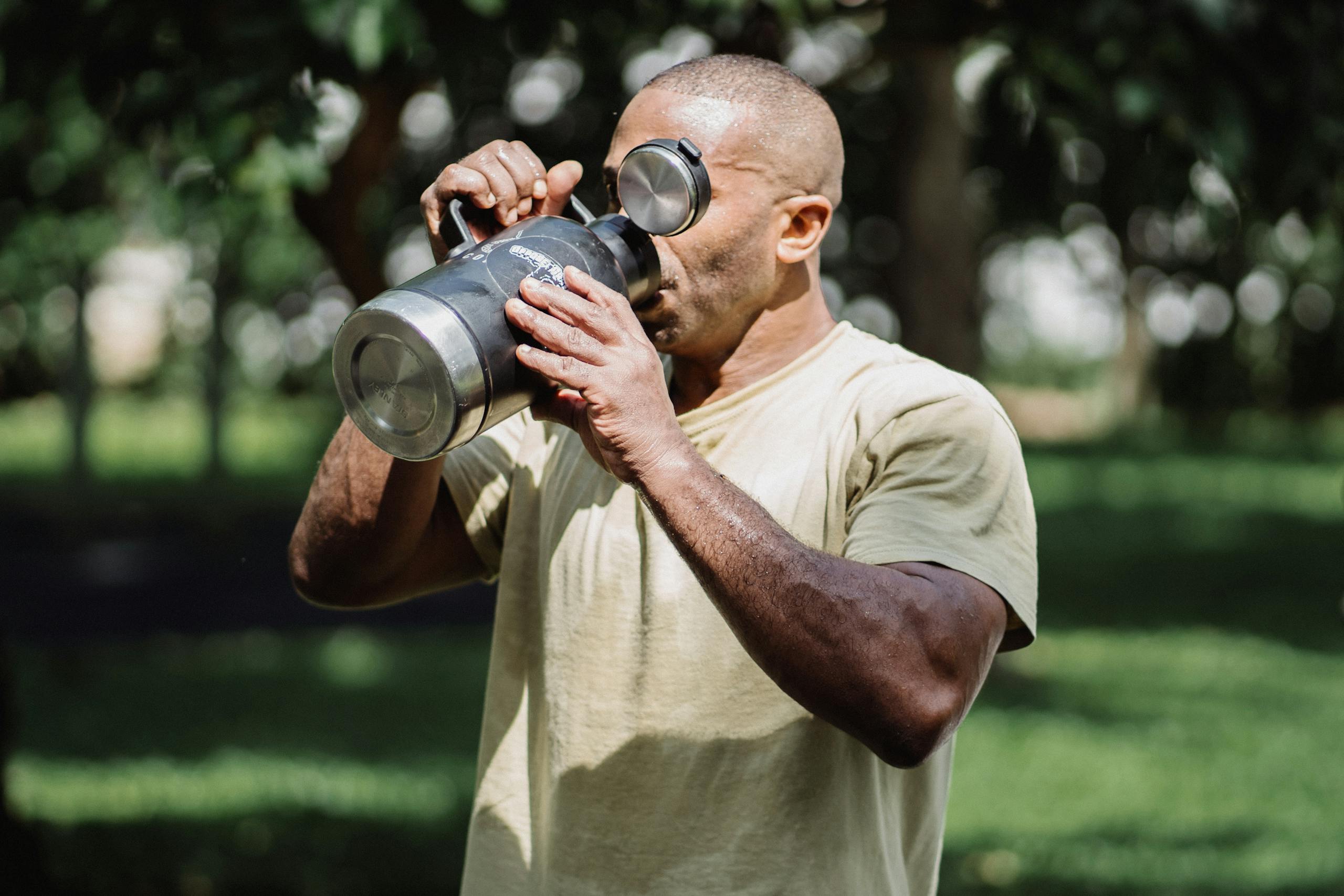
Hydration sits at the intersection of simplicity and complexity. On the surface, it’s obvious: drink water. But most people don’t actually know how much they need, what counts toward hydration, what the signs of chronic mild dehydration look like, or why hydration affects so much more than just thir

Anxiety is the most common mental health condition in the world — affecting approximately 284 million people globally. It’s also one of the most treatable. Yet the majority of people with anxiety never receive professional support, often because they don’t recognize what they’re experiencing or beli
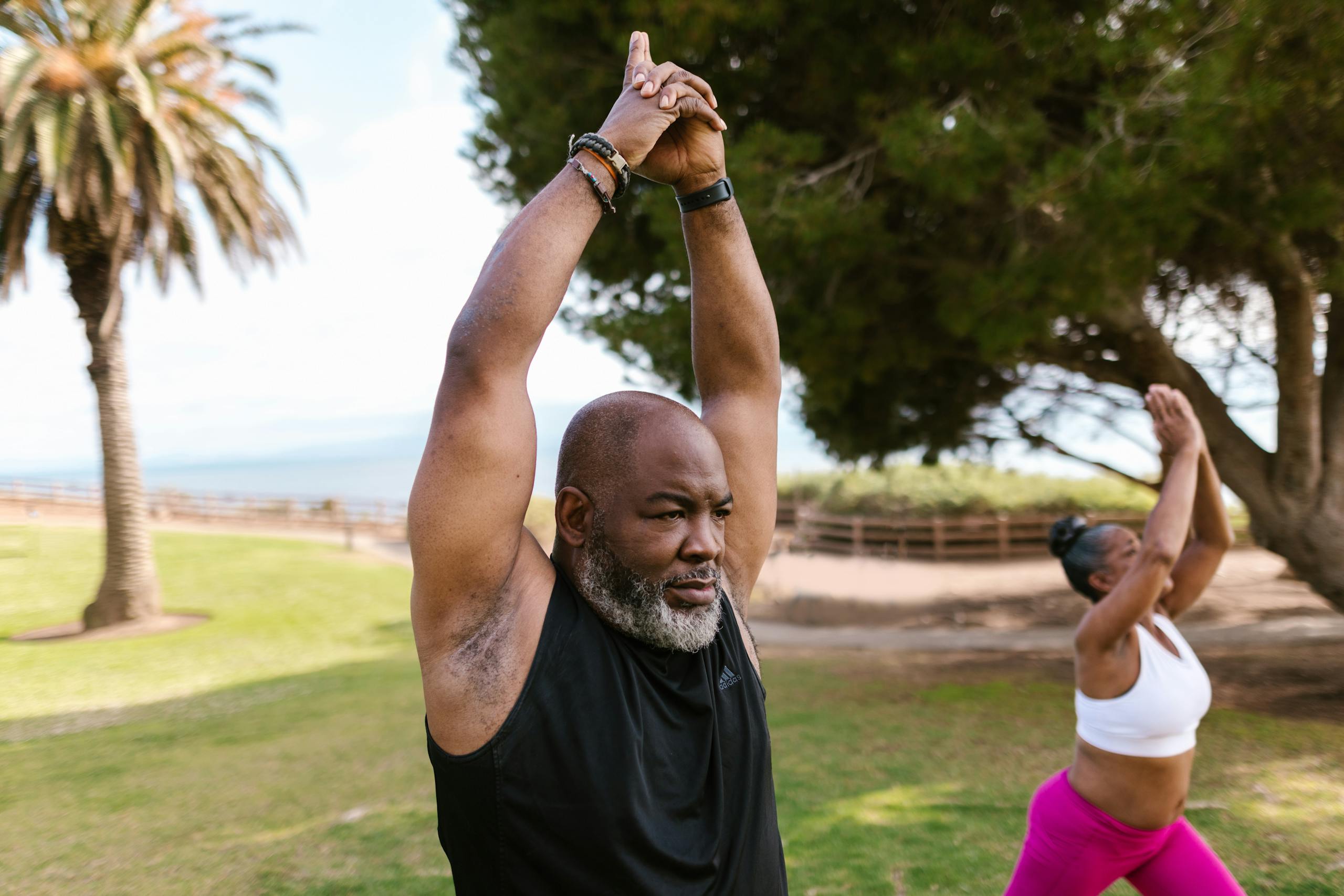
Physical activity is one of the most powerful interventions available for mental health — yet it remains dramatically underutilized compared to pharmaceutical and therapeutic approaches. Not because it’s ineffective, but because no company profits from prescribing it, and because starting to exercis

Loneliness is being called a public health epidemic. The US Surgeon General declared it one in 2023. Studies suggest that over half of American adults experience measurable loneliness, and rates among younger adults have been rising for a decade — accelerated but not created by the pandemic.

Aging in place works — but only for homes that were prepared for it. Done early, the modifications look like good design. Done late, they look like a hospital. This guide covers the...
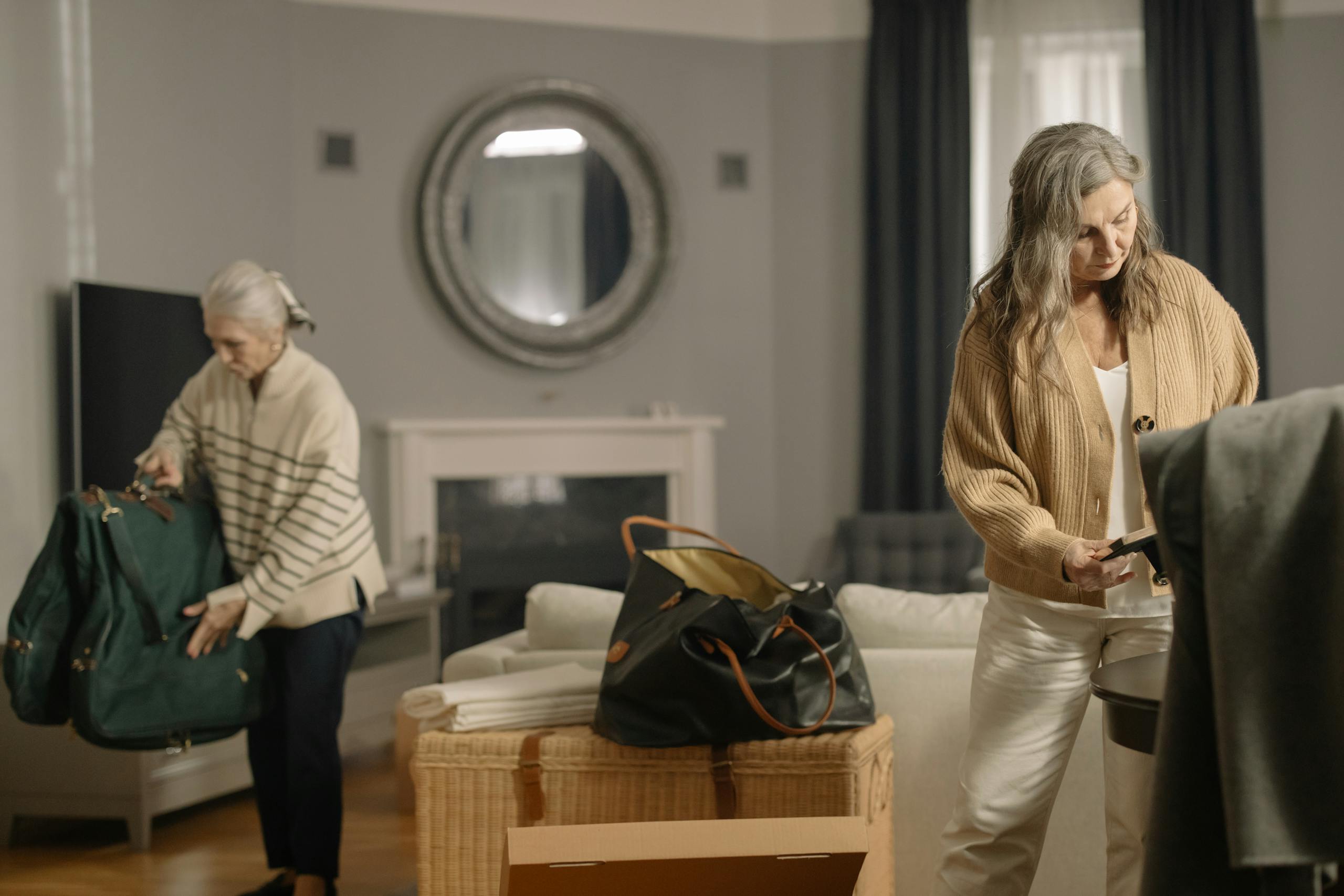
A practical guide to downsizing after 50 — the financial case, the right timing, what to look for in a new home, and how to handle the possessions problem.

Should you renovate your current home or move? A decision framework for homeowners over 50 — including the full cost comparison most people skip.
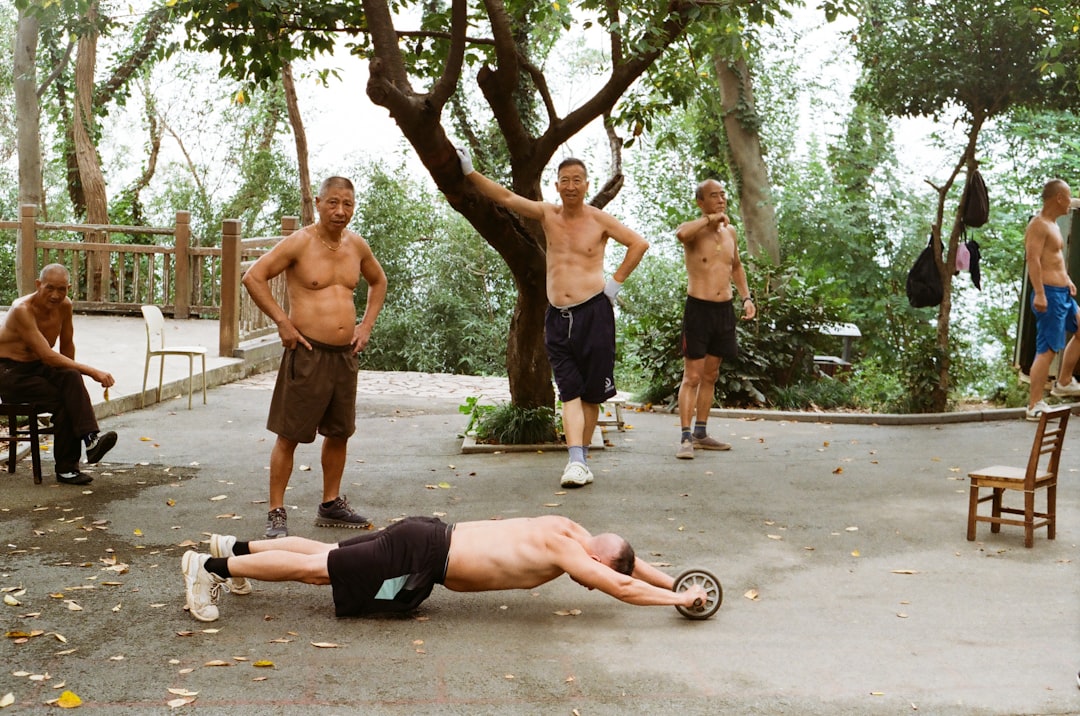
What actually moves the needle on energy, cognition, and resilience in your fifties and beyond — with less ceremony than the wellness industry would like. The premise — this decade decides a lot...
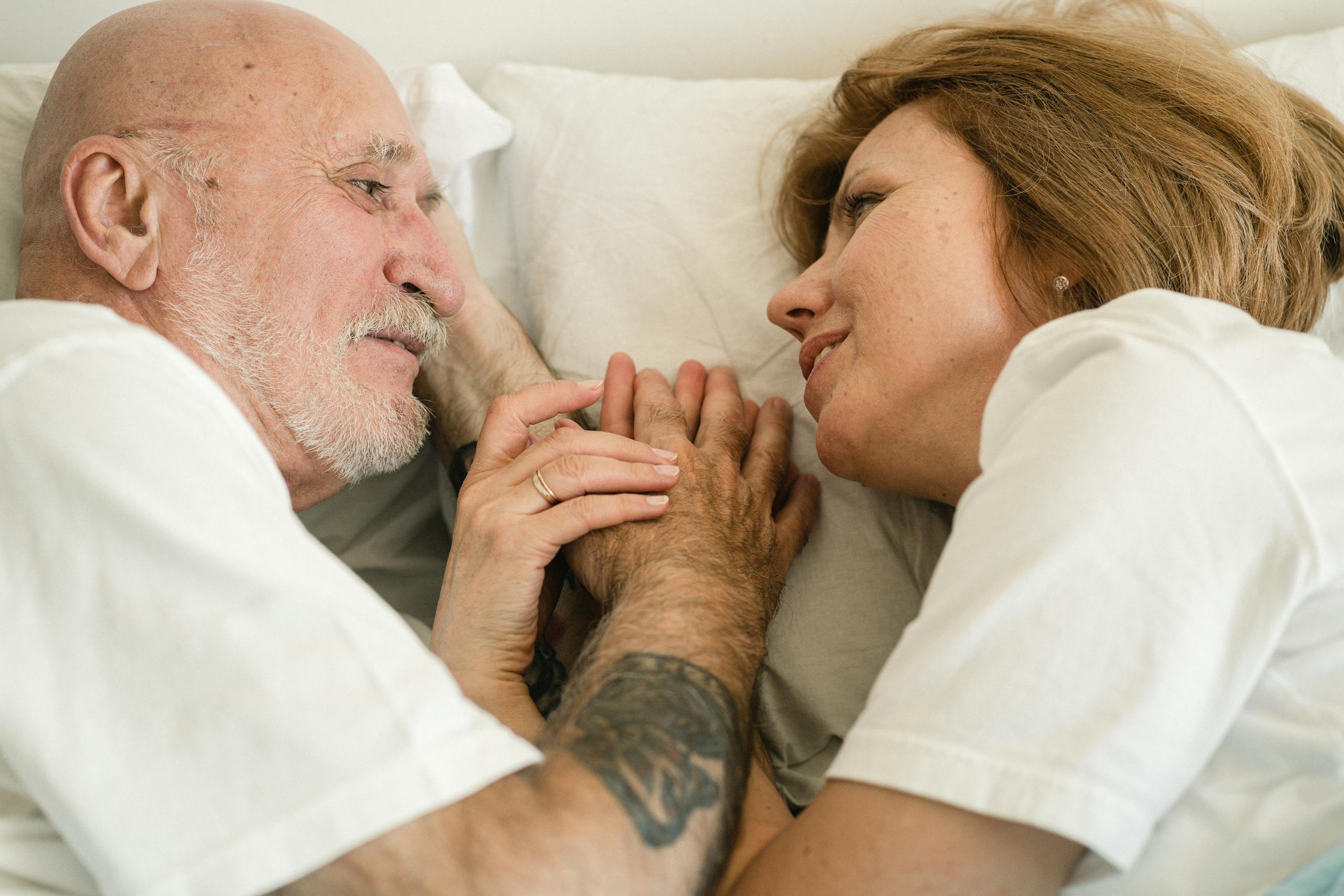
Research is unambiguous on a point that popular culture tends to either ignore or treat as surprising: sexual intimacy remains important to most people well into their 60s, 70s, and beyond. A study of single adults aged 60–83 found that over 97% considered sexual intimacy important in a romantic rel…