



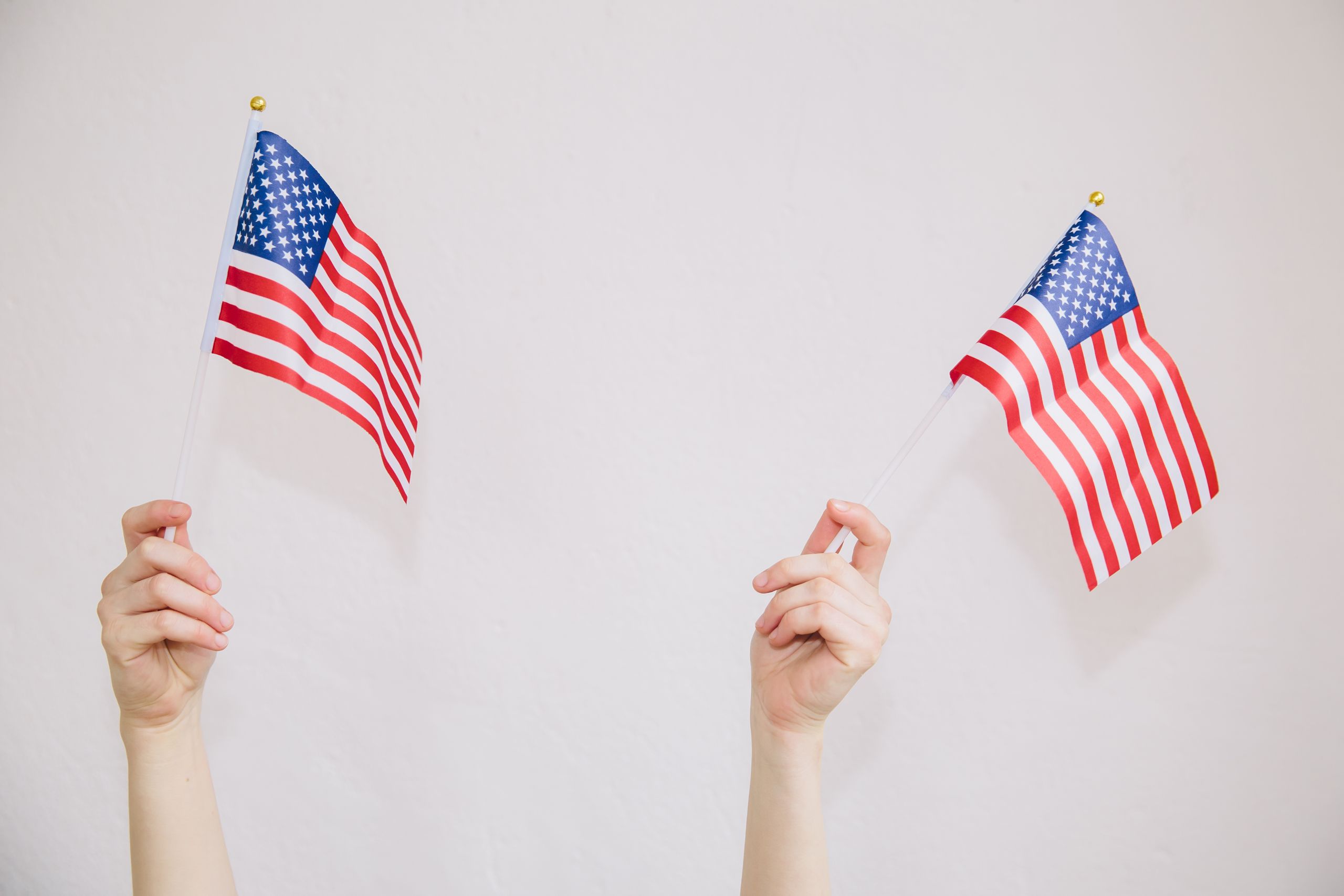
America’s 250th Independence Day Celebration: Our Memories Are Important

As the nation marks its 250th birthday this Independence Day, many adults 50 and older are the last generation who vividly remember the bicentennial in 1976, and their memories offer today’s grandchildren a rare, living connection to American history worth capturing now.
Why This Matters to You
Psychologists note that memories tend to grow warmer with time thanks to what’s called the “fading affect bias,” meaning positive memories, like the parades, fireworks, and shared television moments of 1976, often outshine the negative over the decades. One grandmother reflecting on both anniversaries described 1976 as having “a togetherness type of thing that’s really not around all the time now.”
Sharing these firsthand memories with grandchildren isn’t just nostalgic, it’s a chance to pass down a personal sense of history that no textbook can replicate.
Key Facts & Context
In 1976, most Americans watched the same three television networks, creating shared cultural touchstones like Schoolhouse Rock and the evening news with Walter Cronkite that united the country’s celebration in a way that today’s fragmented media landscape doesn’t replicate. This year’s semiquincentennial features events including a Freedom 250 celebration in Washington, D.C. and a massive international tall ship parade in New York Harbor expected to draw more than six million visitors.
Despite the scale of this year’s festivities, NPR reports many Americans, including longtime seniors, sense the 250th feels less unifying than the bicentennial did, making personal, family-level celebration all the more meaningful.
Historians note that oral histories from ordinary citizens, not just public figures, are exactly what future generations will want most from this era, making a grandparent’s casual recollection over dinner more historically valuable than it might seem in the moment.
What This Means for You
How can I share my bicentennial memories with grandchildren?
Set aside time this weekend to tell the story directly, what you remember, where you were, what it felt like, rather than waiting for a formal occasion. Consider recording a short video or voice memo so the memory is preserved for years to come.
What local events can we attend together this year?
Check America250.org and your city’s tourism website for local semiquincentennial events, many communities are hosting parades, concerts, and exhibits specifically designed for multigenerational attendance.
How do I make this year’s celebration feel more personal?
Pair a local event with a family tradition, like a favorite dish from 1976 or an old photo album, to bridge the historical moment with your own family’s story.
Explore more: TripsNearby can help you find semiquincentennial events and celebrations happening near you this Independence Day weekend.
Related reading: our guides on staying connected with grandchildren across the miles and why multigenerational travel is booming in 2026.
Looking Forward
Milestone anniversaries like this one won’t come again in most of our lifetimes, but the stories seniors carry from 1976 can live on well past this weekend. Taking a few minutes to record or share those memories this Fourth of July may become one of your family’s most treasured keepsakes from America’s 250th year.
[…] 2026 as part of the nation’s yearlong anniversary celebration. As we shared in our piece on why seniors’ bicentennial memories matter today, this milestone is as much about the stories you carry as the objects on display, so consider […]