



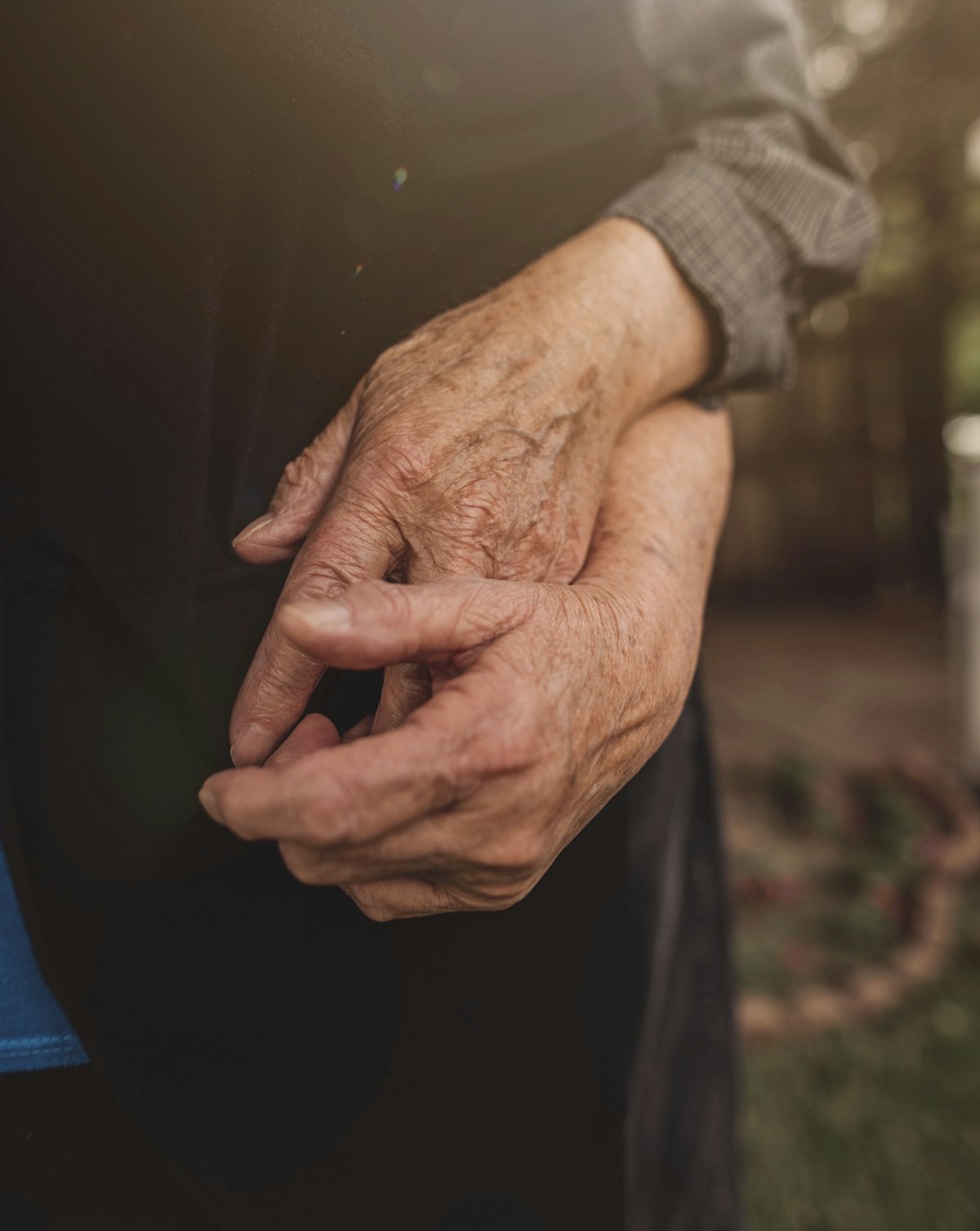
Age Gap Relationships for Seniors: What Science Says About Love Across Generations

Some of the most vibrant, fulfilling relationships involve significant age differences. Research from 2026 shows that women more than 10 years older than their male partners report the highest satisfaction with and commitment to their relationships compared to women with same-age partners. Yet age-gap relationships also attract scrutiny, judgment, and assumptions. Understanding what research actually shows helps separate myth from reality.
The Landscape of Senior Age-Gap Dating Approximately 49% of adults aged 50 and older have used a dating site within the past three years. While only 2-5% of older adults actively use dating apps currently, this small percentage represents millions of seniors exploring connections across age groups. For many, finding someone with shared values and emotional compatibility matters more than finding someone their exact age.
Why Age Gaps Matter Less After 50 Life circumstances change everything as we age. At 20, a five-year age difference might create different life stages. At 60, both partners are likely retired, past childbearing years, and in similar life phases regardless of exact age. Seniors seeking partners care about whether someone shares their values, enjoys similar activities, and provides emotional support—qualities that have nothing to do with age.
What Research Reveals About Age-Gap Satisfaction Studies consistently show that age-gap relationships where the woman is older report particularly high satisfaction. This finding challenges cultural narratives that position older women as less desirable partners. In reality, older women often report greater confidence, clearer boundaries, and reduced pressure to suppress their authentic selves. These qualities contribute to relationship satisfaction.
Common Concerns About Age-Gap Relationships People often worry about health disparities, different energy levels, or one partner becoming a caregiver. These are legitimate considerations—but they apply to all relationships, not just age-gap ones. A same-age couple might face health challenges that create caregiving needs. Planning for potential challenges and discussing realistic expectations helps all couples, regardless of age difference.
Social judgment remains a significant challenge for age-gap couples. Adult children sometimes express concern about a parent’s relationship with someone significantly older or younger. Friends and family might make assumptions about motivations. Strangers might judge. These external pressures don’t reflect anything about the couple’s genuine connection.
Financial Considerations If you’re dating someone significantly older, thinking about long-term care needs, end-of-life planning, and inheritance is responsible. These conversations feel uncomfortable but matter tremendously. If you’re older dating someone younger, similar honesty about your age-related limitations and realistic timelines is important.
Health and Caregiving Realities The primary legitimate challenge in significant age-gap relationships is health. Someone who’s 20 years older might face health challenges while their younger partner is still robust. This creates potential caregiving scenarios that both partners should acknowledge. However, these conversations lead to more secure relationships, not weaker ones. Couples who discuss realistic futures together build stronger bonds.
The “Trophy” Relationship Myth Society often assumes large age gaps mean someone is being exploited or the relationship is about trophy status. This assumption is reductive and often wrong. Many age-gap relationships are genuinely about compatibility, shared interests, emotional connection, and mutual respect. The couple is the only authority on whether their relationship is healthy and fulfilling.
Dating Someone Significantly Younger If you’re a senior dating someone considerably younger, be aware of power imbalances and ensure genuine equality. Ask yourself honestly: Are you drawn to someone younger because of genuine compatibility, or because of insecurity, desires for control, or difficulty dating age-appropriate partners? Do you respect their autonomy, goals, and perspective, or do you find yourself being dismissive? Healthy relationships involve equals, regardless of age.
Dating Someone Significantly Older If you’re attracted to someone older, examine your own motivations. Are you seeking wisdom and stability from someone more experienced? Are you drawn to a particular person’s qualities that happen to come with age? Or are you seeking a caregiver relationship or potential inheritance? Self-awareness matters. Healthy relationships involve reciprocal care, not one person dependent on another.
Making Age-Gap Relationships Work Successful couples of any age difference share common elements: clear communication about expectations and concerns, mutual respect, willingness to address external judgment without letting it destabilize the relationship, and genuine enjoyment of each other’s company. If you’re attracted to someone older or younger, pursue the connection if it feels right—but do so with honesty, realistic expectations, and genuine care for your partner’s wellbeing.
The Bottom Line At 50 and beyond, you’ve earned the right to choose partners based on genuine compatibility rather than age-appropriate expectations set by others. If you’ve found someone who makes you happy, who respects you, and who brings joy to your life—and if they feel the same about you—age difference is simply one factor among many. What matters is the quality of your connection and whether you both genuinely choose each other, day after day.