





$500 ACA Refund Checks Are Here: What Adults 50+ Need to Know
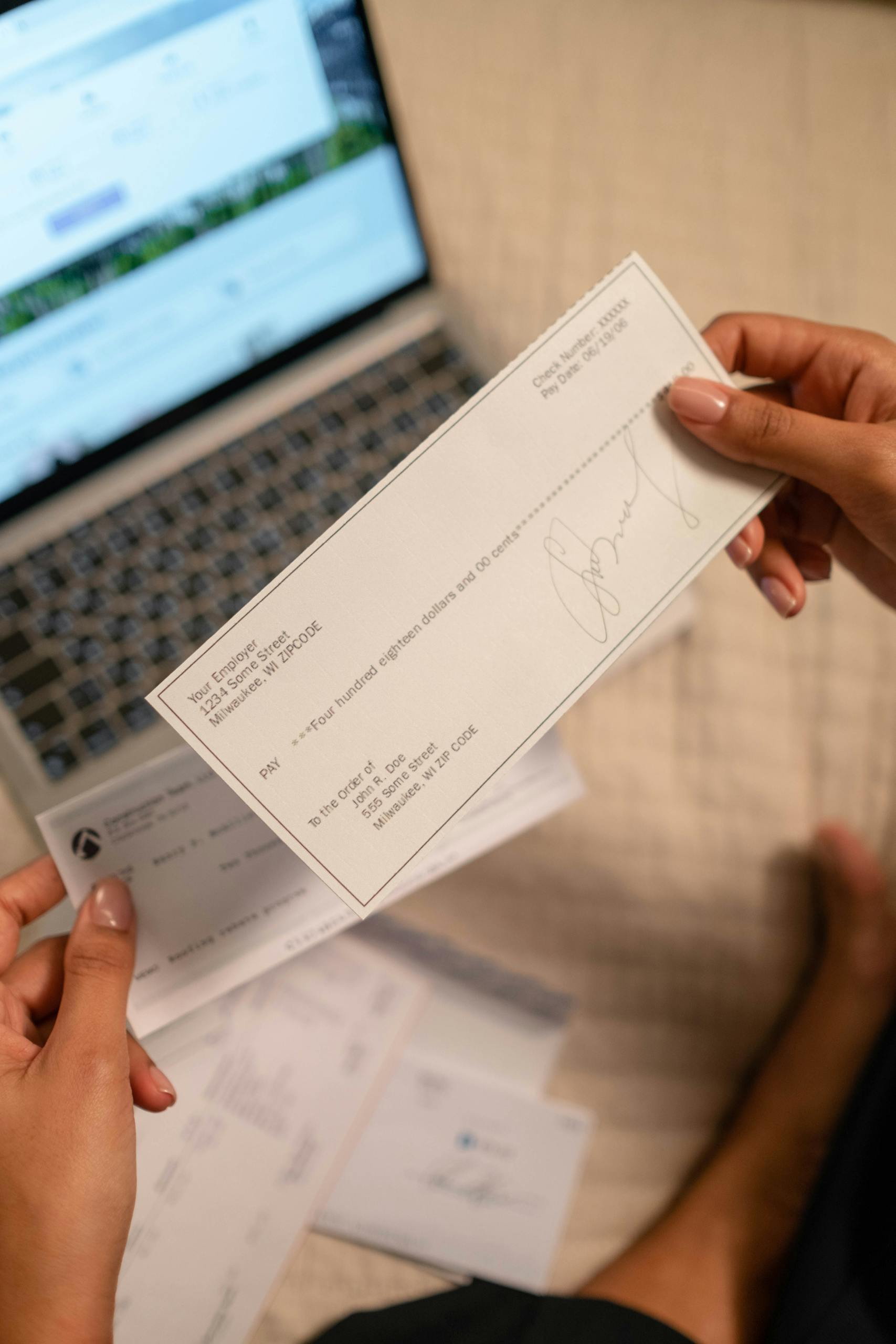
The first $500 ACA refund checks started going out on September 30, and nearly 950,000 Americans in 30 states are set to receive one. If you’re between 50 and 64 and buy your own health insurance on HealthCare.gov, this essential update could mean money in your mailbox. It could also mean a new wave of copycat scams.
Why ACA Refund Checks Matter to You
Adults in their 50s and early 60s are among the heaviest users of the Affordable Care Act marketplace. Many retired early, run a small business, or work freelance. They rely on marketplace coverage until Medicare starts at 65.
According to ABC News, the checks go mainly to enrollees earning above 400% of the federal poverty level who did not receive premium tax credits. That is about $64,000 a year for a single person. The administration says these buyers were overcharged through marketplace “user fees” baked into their premiums.
Key Facts and Context on the $500 Refunds
- Who: About 950,000 HealthCare.gov enrollees, mostly people who paid full price without subsidies. Some lower-income enrollees who skipped subsidies also qualify.
- Where: Only the 30 states that use the federal exchange, including Texas, Florida, Ohio, Michigan, Arizona and North Carolina. States that run their own exchanges, like California and New York, are excluded.
- How: A paper check or direct deposit, sent with a signed letter from President Trump. There is no application.
Not everyone is cheering. Gerard Anderson, a health policy professor at Johns Hopkins, told ABC News the refunds don’t target people hurt most by the expiration of enhanced premium tax credits at the end of 2025.
What the ACA Refund Checks Mean for You
A $500 refund is welcome, but it arrives just weeks before open enrollment. Here are three practical steps to protect yourself and make the money count.
Action 1: How Do You Know If a Refund Message Is Real?
Officials already identified eligible people from marketplace records, so you never have to “claim” anything. Hang up on anyone asking you to verify your Social Security number, pay a “processing fee,” or buy gift cards to release the money. Government agencies never ask for any of those. Our guide to protecting yourself from rising senior fraud losses covers more red flags.
Action 2: Should You Spend the $500 or Save It for Premiums?
Consider setting the money aside for 2027 coverage. Premiums for unsubsidized buyers have climbed sharply, and insurers can charge older enrollees up to three times more than younger ones. Parking the refund in savings can soften next year’s first premium or deductible.
Action 3: Are You Ready for Open Enrollment?
ACA open enrollment begins November 1. Compare plans side by side instead of auto-renewing. If you turn 65 in 2027, start planning your Medicare move now. Our explainer on how to read your Medicare Annual Notice of Change is a useful primer.
Looking Forward: Stay Alert as Checks Arrive
Expect scammers to copy the look of official letters and texts for months. Share these warning signs with friends and family, especially anyone who handles mail for an older relative. For more on avoiding phishing texts and fake government calls, see our tips to make yourself fraud-proof online. The cybersecurity team at Principium Technology also shares practical guidance on spotting digital fraud and protecting personal data.
The bottom line: if a real check arrives, it’s yours to keep. If someone asks you to pay to get it, it’s a scam.