





A useful philosophy
Think in layers, not fortresses. The goal is not to make your home impenetrable. It is to make your home less attractive than the next option. Good lighting, visible cameras, solid locks, a well-maintained exterior, and an engaged community deliver most of what a full-on security installation claims to deliver, at a fraction of the cost and complexity.
The layers that work
- Exterior lighting — motion-activated, properly placed, bright enough to matter
- Good locks on all entries — deadbolts, strike plates fixed properly with long screws, sliding door reinforcement
- A visible camera or two at the main entry and one other vulnerable side
- A monitored alarm system for the genuine layer of deterrence and notification
- Smart smoke and CO detection — the real risk in most homes is fire, not intrusion
- Good relationships with neighbours — by far the single most effective security measure
- Unfussy routines that make the home look occupied even when you are not there — varied lighting timers, mail pickup, visible activity
Cameras: useful and overblown
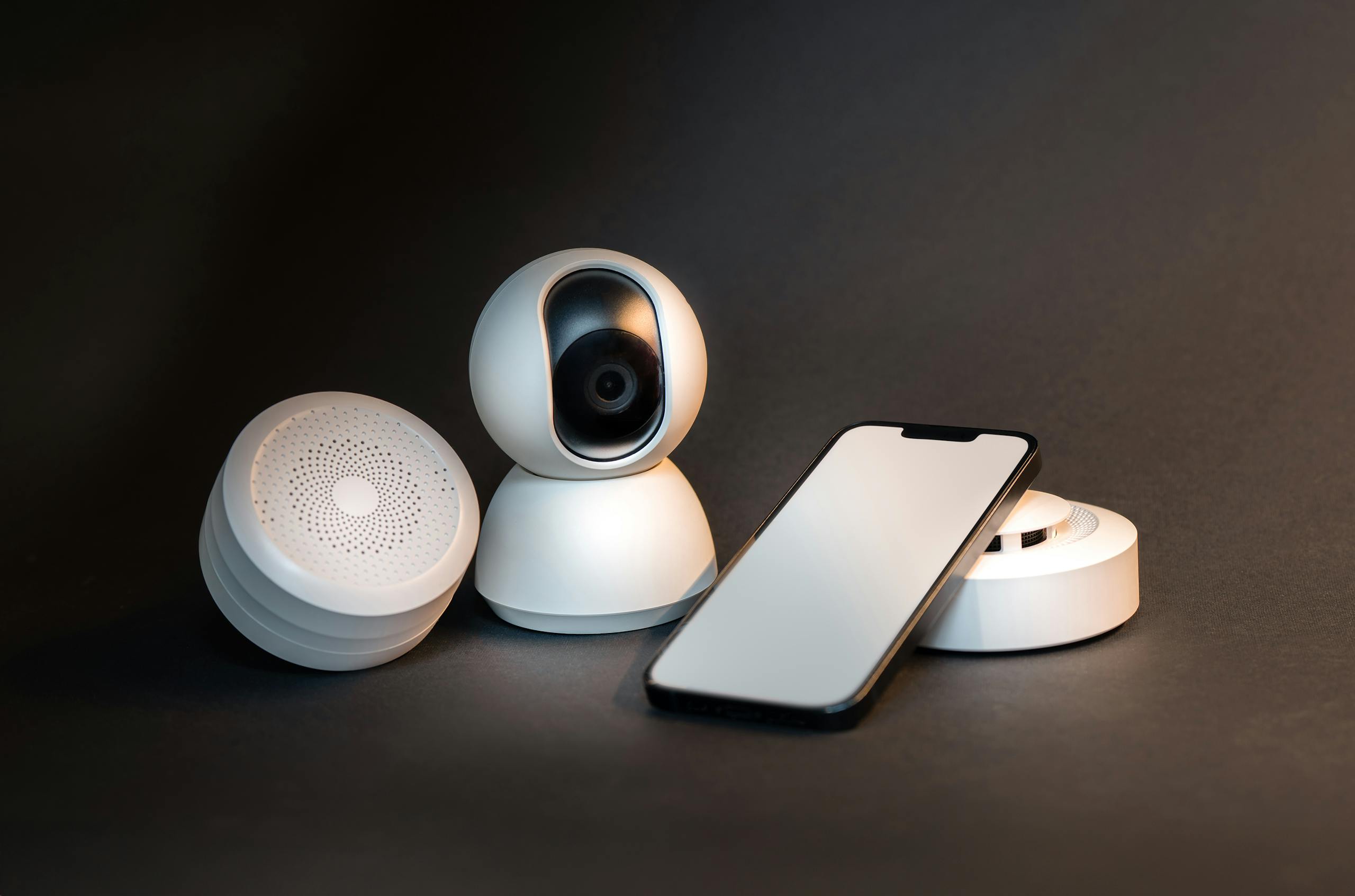
Cameras genuinely help, within limits. They deter opportunists, document events, and give you visibility while away. They do not prevent a determined intruder. They produce a volume of notifications that most users stop looking at after the first two weeks. And the data they generate lives on servers that occasionally have their own problems.
The sensible approach: one or two well-placed cameras at the entries and vulnerable sides. Not six. Not every angle. Clear coverage, not comprehensive surveillance.
Security while travelling
Experienced adults travel more, and a home that looks empty during an extended absence is the single largest risk factor. The fixes are boring and effective: ask a neighbour to check the mail and park in the driveway occasionally, use lighting timers that vary their pattern, do not announce departure dates on social media, and arrange for someone you trust to have a key.
The most effective security investment at this stage is not a device. It is the network of people near your home who would notice if something were wrong.
Interior layers that matter
Once someone is inside, the security game changes. The useful interior layers: a safe room concept — a room with a solid door, a lock, and a phone — where you can retreat if needed. A distributed pattern of valuables rather than one dramatic stash. Clear, uncluttered exit routes from bedrooms in case of fire or other emergencies. And, for people living alone, a simple daily check-in pattern with a friend or family member — if you have not been heard from by a certain time, someone comes or calls.
Online and identity security
For experienced adults, the larger security risk is usually not a home intrusion. It is online identity theft, account compromise, and increasingly sophisticated scam calls. The practical responses are quiet and effective: a password manager that generates and stores unique passwords for every account, two-factor authentication on every important account (email, banking, investment, healthcare), a frozen credit file with all three bureaus that thaws only when you actively request it, and a healthy scepticism of unsolicited phone calls, emails, or texts asking for information or money.
The peace-of-mind test
The honest test of any security setup is whether it makes you feel more at ease, not whether it adds more features. If your system is producing constant notifications that you no longer check, or alerts that stress you out without prompting useful action, the system is not working. Trim. Simplify. Keep the layers that matter. Peace of mind is the actual product.
Scam awareness at this stage of life
Experienced adults are specifically targeted by a range of increasingly sophisticated scams — grandparent scams, impersonation calls from fake officials, romance scams, investment fraud, and technology-support cons. Most of these rely on creating urgency and isolating the target from their normal advisors. The defences are simple but need to be practiced: no decision involving money is ever urgent; any caller claiming to be from a bank, tax authority, or government agency can be verified by hanging up and calling the official number; and any request that asks you not to discuss it with family or advisors is almost certainly a scam. A simple household rule — no financial decision over $500 without a twenty-four-hour pause — eliminates most of this category entirely. Loop a trusted family member or advisor into the decision if anything feels urgent or unusual; the five-minute call to check is the single most effective scam defence most households have.
[…] Home Security and Peace of Mind: What Actually Works […]