





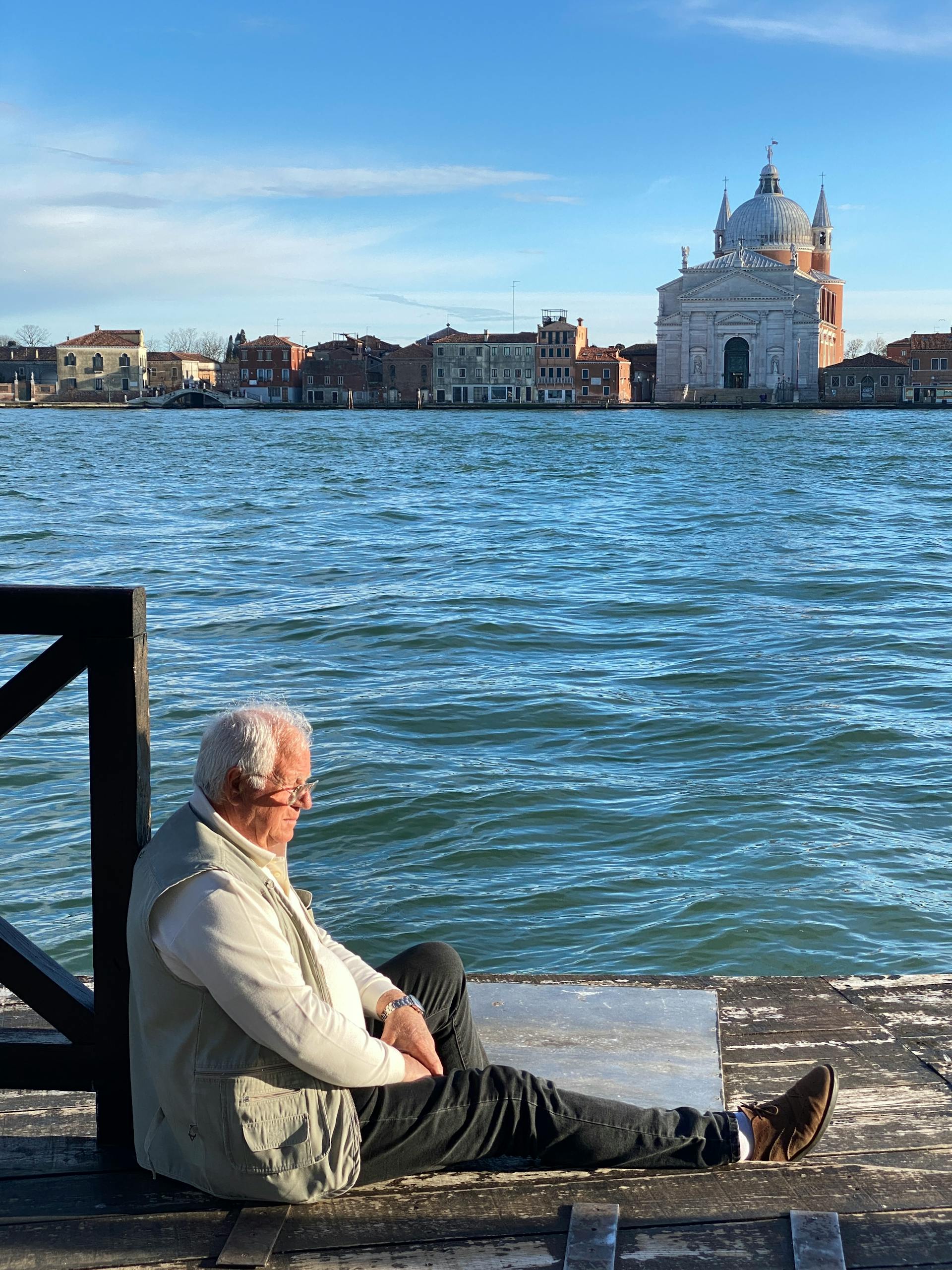
The Emotional Transition: What No One Tells You About Living Abroad After 50
The logistics of living abroad get plenty of attention: visas, healthcare, banking, housing, taxes. What gets far less coverage — and turns out to matter enormously — is the emotional dimension of making this transition. Not the obvious excitement of adventure, but the less comfortable feelings that tend to arrive quietly, often after the initial honeymoon period fades.
This is not a warning against the Travel & Thrive lifestyle. It’s preparation for the full reality of it — which, for people who navigate it honestly, produces genuine transformation alongside the practical benefits.
The Honeymoon Phase Is Real — and It Ends
The first weeks in a new country are often exhilarating. Everything is novel. The food, the street life, the architecture, the pace — all of it feels like living inside a possibility that you’d previously only imagined. This is the honeymoon phase, and it’s as real as it feels.
It also ends — typically somewhere between week 4 and month 3. What follows isn’t necessarily depression or regret; it’s adjustment. The novelty becomes familiar. The things that seemed charming become occasionally frustrating. The isolation of having no established social network becomes more noticeable. The practical inconveniences of navigating a country in a foreign language accumulate.
This is entirely normal and is well-documented in the expat adjustment literature. Knowing it’s coming doesn’t eliminate it, but it prevents the mistaken interpretation that the feeling means you made a mistake.
Identity Disruption: Who Are You Without Your Career Identity?
For many professionals over 50 — particularly those who have spent 25–30 years building careers — professional identity is deeply intertwined with personal identity. “I’m a VP of Marketing at [Company]” is not just a job description; it’s a self-description that structures social interactions, provides status signals, and organizes how you think about your place in the world.
When you leave that structure — whether through retirement, a career transition, or the deliberate design of fractional work — the identity shift can be disorienting in ways that are hard to articulate. Who are you when you’re not at the office? What’s your status in social situations when there’s no prestigious employer to reference? What does your contribution to the world look like when it’s mediated through a laptop in a rented apartment in Lisbon rather than a glass-walled conference room?
These are genuine questions worth taking seriously, not suppressing. Therapy, journaling, honest conversations with peers navigating the same transition, and giving yourself genuine time to develop a new self-concept are all productive responses. The identity you build on the other side of this transition — as someone living fully, contributing meaningfully, and doing it on your own terms — is more robust than the one it replaced.
Relationship Changes
Living abroad changes your relationships — sometimes in surprising ways. Some friendships naturally fade with distance; others, somewhat counterintuitively, deepen. The friends and family members who make the effort to visit, who schedule regular calls, who engage genuinely with your new life, often become closer than they were when you were geographically proximate but perpetually busy.
For couples: living abroad together tests and strengthens relationships. The shared adventure, the mutual dependence in unfamiliar situations, and the absence of distracting domestic routines often bring partners closer. But it also removes the natural space that distance and social life at home provide — being together 24/7 in a new environment requires explicit conversation about individual needs for solitude, separate social activities, and work separation.
Solo Travel & Thrive professionals navigate a genuinely different emotional landscape: the freedom of complete autonomy alongside the very real challenge of building meaningful connection without the safety net of established relationships nearby.
Dealing With Guilt
An unexpected emotional challenge that many Travel & Thrive professionals report: guilt. Guilt about living well in beautiful places while family members are navigating difficulty at home. Guilt about leaving aging parents, struggling siblings, or adult children who may need support. Guilt about what feels, in moments of insecurity, like self-indulgence.
This guilt deserves examination rather than suppression. Some of it is realistic — if you have a parent who genuinely needs your proximity, the Travel & Thrive model may need modification or deferral. But much of the guilt is the internalized voice of a culture that equates sacrifice with virtue. Living a life that is genuinely good — interesting, purposeful, financially sustainable, physically healthy — is not a moral failing. You are not obligated to suffer in order to be worthy.
The Return Question
At some point — perhaps after a few months, perhaps after a few years — the question of whether and when to return home will arise. For some people, the Travel & Thrive lifestyle becomes a permanent or semi-permanent new normal. For others, it’s a profound chapter that eventually transitions back to domestic life, enriched by everything it provided.
There is no wrong answer, and the answer often changes over time. The most important thing is approaching the question with the same intentionality that got you here: with clear eyes about what you actually want and value, rather than following a default path in either direction.
[…] The Emotional Transition: What No One Tells You About Living Abroad After 50 […]
[…] The Emotional Transition: What No One Tells You About Living Abroad After 50 […]