





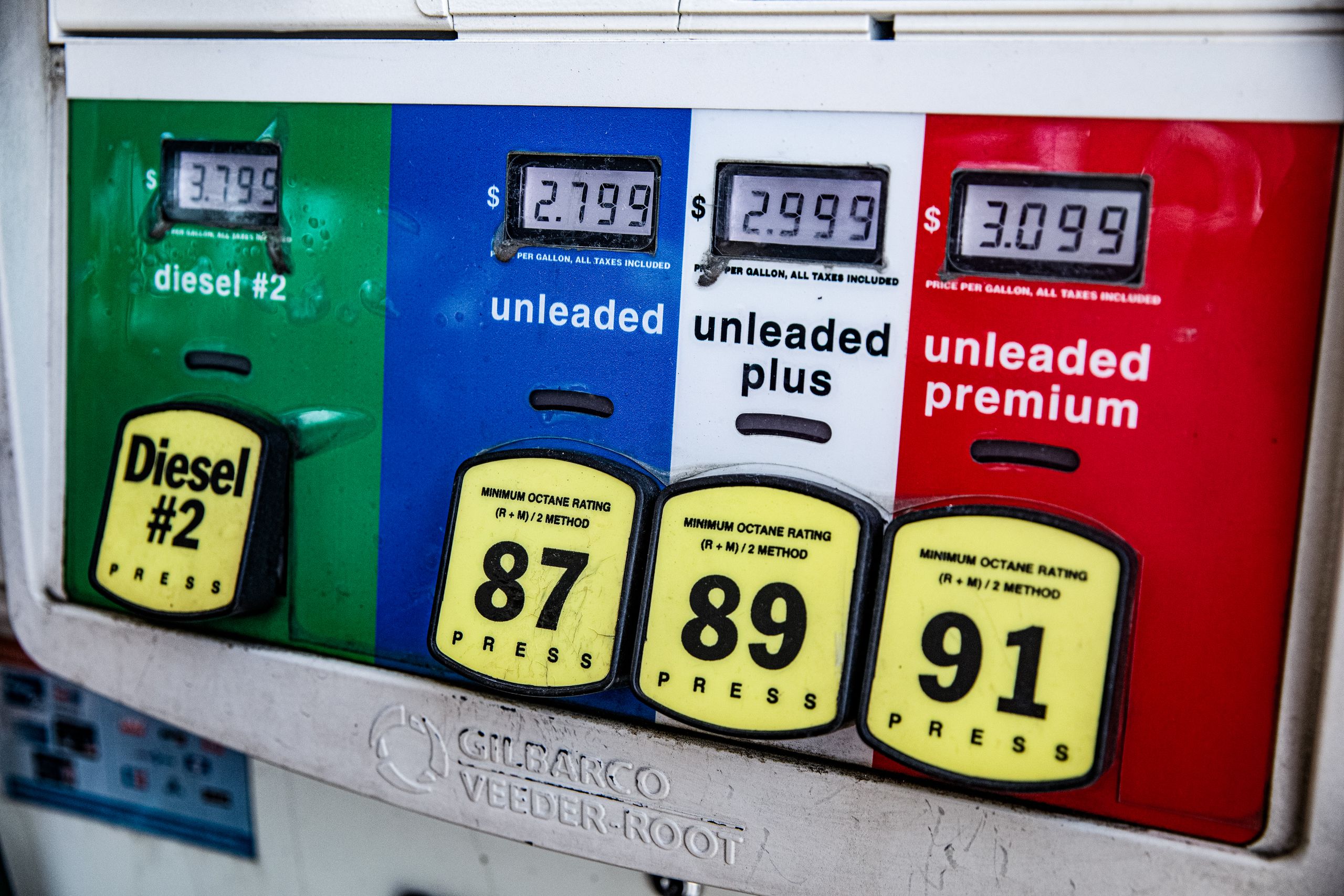
Gas Price Relief: Savings with Lower Fuel Costs After US Iran Deal
The Iran-US deal announced in June 2026 is delivering immediate relief at the pump for millions of Americans, particularly seniors on fixed incomes who spend a disproportionate share of their budgets on gasoline. After months of escalating gas prices that peaked above $4.50 per gallon in May, national average prices have dropped to around $4.07 per gallon following the framework agreement between the United States and Iran. While this downward trend is welcome news, understanding what caused the price spike and what to expect in the coming months will help you plan your retirement budget more effectively.
How Did Gas Prices Get So High? Understanding the Recent Crisis
Over the past year, geopolitical tensions in the Middle East created significant disruptions to global oil supplies. Conflict around Iran threatened the Strait of Hormuz, one of the world’s most critical shipping chokepoints responsible for moving roughly one-third of all seaborne traded oil. These tensions sent crude oil prices soaring to $126 per barrel at the peak, directly translating to skyrocketing prices at the gas pump. For seniors relying on Social Security or fixed pension income, every penny increase in gas prices cuts directly into budgets for groceries, medications, and essential healthcare.
The Good News: Framework Agreement Reduces Immediate Pressure
The framework agreement reached between US and Iranian negotiators in mid-June 2026 represents a major step toward stability. Oil prices have already responded positively, with U.S. crude falling to around $80.75 per barrel and international Brent crude dropping to approximately $83.17 per barrel. This is roughly $40-50 cheaper per barrel than the peak prices seen earlier this year.
What this means for seniors:
- Gas prices have already dropped from May’s $4.50+ peak to approximately $4.04-$4.07 per gallon nationally
- This $0.40+ per gallon reduction saves money on every fill-up—a meaningful savings for those driving to doctor appointments, grocery shopping, or visiting family
- Reduced fuel costs also translate into lower prices for shipped goods, potentially easing inflation on groceries and other necessities
The Reality: Price Relief Will Take Time, Not Happen Overnight
While the Iran-US deal is encouraging, it’s important to understand that gas prices won’t instantly return to pre-conflict levels. Here’s why: gas stations sell through existing inventory purchased at higher prices, and refineries need time to adjust production schedules and secure new shipments. Additionally, oil tankers need weeks to navigate global shipping routes, and the Strait of Hormuz—though expected to reopen—still requires physical reopening and normalization of oil flows.
Timeline expectations for seniors planning ahead:
- June-July 2026: Continued gradual price declines as market sentiment strengthens and existing inventory sells through
- Fall 2026: Moderate further reductions as new shipments reach refineries and distribution networks expand
- 2027 and beyond: The most significant price relief, when global oil inventories fully recover and shipping normalizes to pre-conflict levels
Industry analysts suggest consumers may not see prices drop to pre-conflict levels (around $60-70 per barrel range) until 2027. However, the current trend toward $80+ per barrel oil is substantially better than the $126 peak.
Practical Budget Tips for Seniors During the Transition
As gas prices move in the right direction but stabilize rather than plummet, consider these strategies to maximize your savings:
Consolidate trips: Combine errands into one shopping run rather than multiple trips. This reduces fuel consumption and saves money on gas while you wait for prices to drop further.
Take advantage of senior discounts: Many gas stations and programs offer discounts for seniors. Now is a good time to enroll if you haven’t already.
Track price trends: Use free apps like GasBuddy to find the lowest prices in your area before filling up, potentially saving additional dollars per tank.
Budget conservatively: Even with the Iran-US deal in place, assume gas will stay around $3.80-$4.20 through the rest of 2026 rather than immediately dropping to $3.00. This protects your retirement budget from future uncertainty.
Looking Forward: Stability in Energy Markets Benefits Everyone
The Iran-US framework agreement represents more than just lower gas prices—it signals a return toward energy market stability. For seniors living on fixed income, stable energy costs mean predictable monthly budgets, better planning for travel and healthcare, and reduced financial stress. While the Strait of Hormuz reopens and global oil supply chains normalize throughout 2026 and into 2027, the trajectory is clearly moving in the positive direction.
Keep monitoring national average gas prices using reliable sources like the U.S. Energy Information Administration or GasBuddy, and adjust your monthly budget expectations as prices continue their gradual decline. The worst of this crisis appears to be behind us, and relief—while gradual—is on the way.