





Dangerous Heat Wave Continues—Here’s How to Stay Safe
A dangerous heat wave is gripping much of the country this week, and heat wave safety for older adults has never mattered more. Adults 65 and older lose some of their body’s natural ability to cool itself, making even a few hours outdoors risky. Discover why this matters and the proven steps that can keep you or a loved one safe.
Why This Matters to You
As we age, our bodies sweat less efficiently and our hearts work harder to dissipate heat, especially for those managing heart disease, diabetes, or taking certain medications like diuretics and beta-blockers. The Centers for Disease Control and Prevention notes that people 65 and older are far more prone to heat-related illness than younger adults.
A recent Harvard University analysis found that heat waves cause an estimated nine extra deaths per 100,000 older adults each year, adding up to more than 17,000 deaths among seniors between 2000 and 2018. Isolation, chronic illness, and limited access to air conditioning all compound the danger.
Key Facts & Context
This week’s heat wave has triggered advisories across multiple states, with heat index values pushing well past 100°F in many areas. Researchers point to poor housing quality, low income, and social isolation as factors that disproportionately raise risk for older adults during extreme heat events.
Warning signs of heat exhaustion include heavy sweating, dizziness, nausea, and muscle cramps. Heatstroke—a medical emergency—can cause confusion, a rapid pulse, and body temperature above 103°F. Knowing the difference, and acting fast, can save a life.
How can I tell heat exhaustion from heatstroke?
Heat exhaustion usually comes with cool, clammy skin and heavy sweating, while heatstroke often involves hot, dry skin, confusion, and a body temperature that keeps climbing. If someone shows signs of heatstroke, call 911 immediately and begin cooling them with wet cloths or a cool bath while waiting for help.
What This Means for You
Small, consistent habits make the biggest difference during a heat wave. Here are three practical steps to take today:
Action 1: Check indoor temperature and airflow
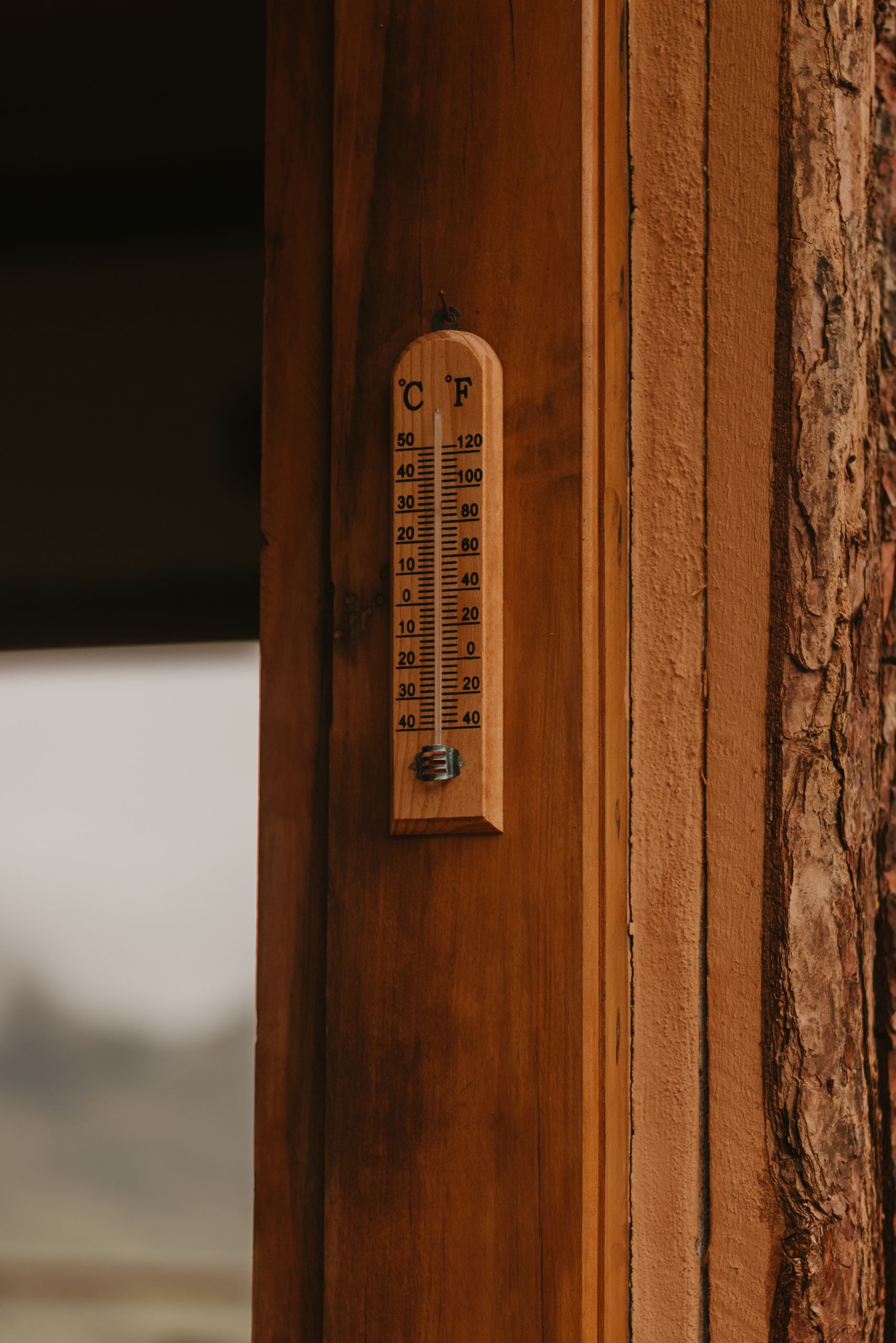
If your home lacks reliable air conditioning, spend the hottest hours (typically noon to 6 p.m.) in a cooled public space like a library, mall, or senior center. A simple indoor thermometer can help you monitor whether your living space is staying at a safe temperature.
Action 2: Hydrate before you’re thirsty
Thirst is a delayed signal in older adults. Drink water steadily throughout the day, and avoid alcohol and caffeine, which speed up dehydration. If you take medications affecting fluid balance, check with your doctor about safe hydration levels.
Action 3: Set up a check-in system
Arrange for a family member, friend, or neighbor to check in daily during heat advisories. As covered in our guide to preventive care for adults 50+, regular check-ins catch small problems—like dizziness or confusion—before they become emergencies.
Explore more: Smart home sensors from Home360 can track indoor temperature and alert family members if a home gets dangerously hot, adding an extra layer of protection during heat waves.
Looking Forward
Extreme heat events are becoming more frequent, and public health experts expect this trend to continue in the coming years. Staying informed about advisories, keeping cooling plans ready before summer starts, and leaning on your support network are the best defenses. For more on preparing for extreme weather, see our related piece on staying active and healthy through the seasons.