





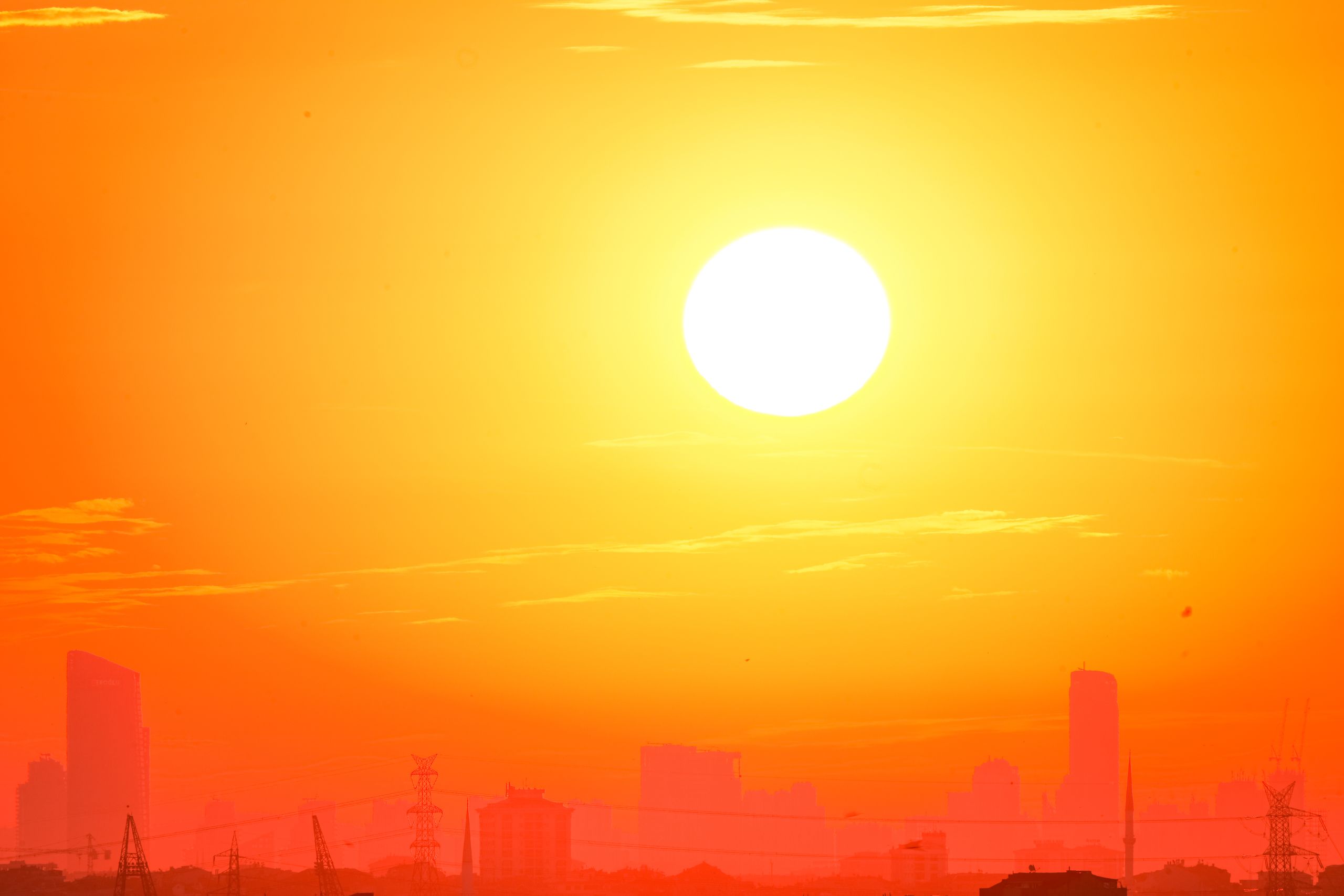
Extreme Heat Warning Hits Texas: Critical Safety Tips for 50+
An extreme heat warning is gripping Texas today, with heat indexes soaring to 115°F in Houston and 116°F in Dallas-Fort Worth, and heat safety for seniors has never been more urgent. Adults 60 and older account for more than 80% of excess deaths during heat waves, according to public health researchers, because aging bodies regulate temperature less efficiently than younger ones. Here’s what today’s warning means for you and how to stay protected.
Why This Matters to You
As we age, our bodies become less efficient at sweating and circulating blood to the skin—two of the body’s main cooling mechanisms. Chronic conditions like heart disease, diabetes, and kidney disease, common among adults 50 and older, make heat exhaustion and heat stroke far more dangerous.
Many everyday medications, including diuretics, beta-blockers, and some antidepressants, can also interfere with the body’s ability to cope with extreme heat. That combination means a heat index that feels merely uncomfortable to a younger adult can become a medical emergency for an older one, often with little warning.
Key Facts & Context
The National Weather Service issued an Extreme Heat Warning for south central and southeast Texas from 11 a.m. to 8 p.m. Wednesday, with Houston expecting a record high of 102°F and a heat index near 115°F. The Dallas-Fort Worth Metroplex is bracing for feels-like temperatures as high as 116°F.
This warning follows a broader heat dome that pushed more than 160 million Americans under heat alerts earlier this summer. Public health data consistently shows that heat-related deaths spike sharply in the 60-plus population, particularly among those living alone or without reliable air conditioning.
What This Means for You
How much water should I drink during a heat warning?
Drink water steadily throughout the day, even without feeling thirsty, and avoid alcohol or excess caffeine. If you take diuretics or blood pressure medication, ask your pharmacist whether the heat changes how you should manage dosing or timing today.
Where should I go if my home gets too hot?
Identify the coolest room in your home, or a nearby library, mall, or senior center serving as a cooling center. Smart thermostats and home monitoring systems can help you track indoor temperatures remotely and get alerts if conditions become unsafe.
Who should check on me today?
Arrange for a family member, neighbor, or friend to check in by phone or in person at least once today. Heat stroke can progress quickly, and a simple call can catch warning signs like confusion, dizziness, or hot, dry skin before they become an emergency.
Explore more: Home360’s smart home monitoring can help you track indoor temperature and humidity in real time, giving you peace of mind during extreme heat events. Visit myhomethreesixty.com.
Looking Forward
Extreme heat events are becoming more frequent and intense across the U.S., and today’s warning is unlikely to be the last this summer. For more on protecting your health during seasonal extremes, see our guides to preventive care for adults 50 and older and staying active and healthy year-round. Talk with your doctor this week about how your specific medications and health conditions affect your heat tolerance, and keep emergency contacts within easy reach.