
Cyclospora Outbreak Tied to Lettuce: What Adults 50+ Must Know

A cyclosporiasis outbreak tied to lettuce and salad greens has grown to more than 3,000 confirmed cases across Michigan and Ohio, making 2026 the worst year on record for the parasitic illness nationwide. Health officials say lettuce is a common thread in the ongoing investigation, though no single grower or supplier has been confirmed. For adults 50 and older, the outbreak carries extra weight: weakened immune defenses that come with age can turn a miserable stomach bug into a prolonged, medically serious illness.
Why This Matters to You
Cyclospora is a microscopic parasite that causes watery, sometimes “explosive” diarrhea, along with nausea, cramping, and fatigue that can last for weeks if untreated. Immune function naturally declines with age, and older adults are more likely to be on medications — including certain acid reducers and immunosuppressants — that make it easier for foodborne parasites to take hold and harder for the body to clear them quickly.
Dehydration from prolonged diarrhea is also a bigger risk for older adults, who are more prone to complications like kidney strain and dangerously low blood pressure.
Key Facts & Context
Michigan health officials reported 2,640 cases and 44 hospitalizations as of this week, with the statewide and regional total surpassing 3,000 and still climbing. More than 30 states have reported infections in 2026, and case counts have already surpassed the previous U.S. record of roughly 4,700 set in 2019. State epidemiologists say early evidence points to lettuce and bagged salad kits, and they specifically advise against pre-mixed, bagged salad greens while the investigation continues.
What This Means for You
You don’t need to give up salads — but a few adjustments meaningfully lower your risk while investigators trace the source.
Action 1: Choose whole heads of lettuce over bagged blends
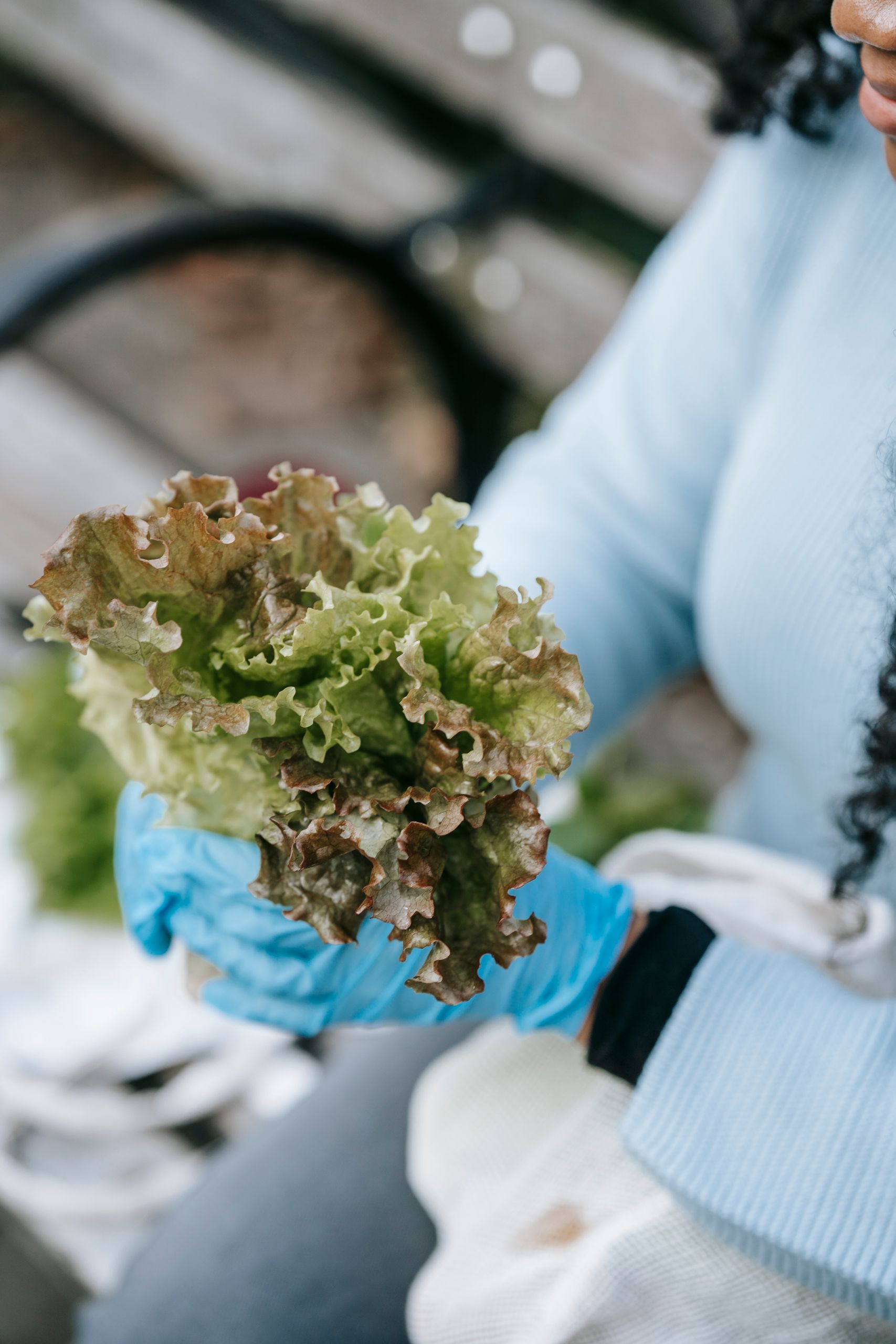
Health officials specifically recommend buying whole heads, discarding the outer leaves, and thoroughly rinsing what remains, rather than reaching for pre-washed, pre-mixed salad kits during an active outbreak.
Action 2: Know the symptoms and don’t wait to call your doctor
Watery diarrhea lasting more than a few days, especially with cramping or fatigue, warrants a call to your physician. Cyclospora requires a specific antibiotic treatment that over-the-counter remedies won’t provide.
Action 3: Stay ahead of dehydration
If you do develop symptoms, prioritize fluids with electrolytes, not just water, and seek care promptly if you feel lightheaded or notice a rapid heartbeat — both signs dehydration is becoming serious.
Explore more: Staying on top of evolving food-safety guidance is easier with the right support system. Coached by Bukky offers wellness coaching to help older adults build safer, more confident daily routines.
Looking Forward
Investigators expect it will take additional weeks to pinpoint the exact source of the outbreak, and officials say the number of confirmed cases will likely keep rising before it plateaus. In the meantime, health officials say the record case count is a reminder that food-safety vigilance matters more, not less, as we age. Simple habits — buying whole produce, washing thoroughly, and seeking care early for stubborn symptoms — go a long way toward protecting your health this summer. For more on protecting your health benefits amid other 2026 healthcare news, see our report on recent Medicare fraud enforcement.