
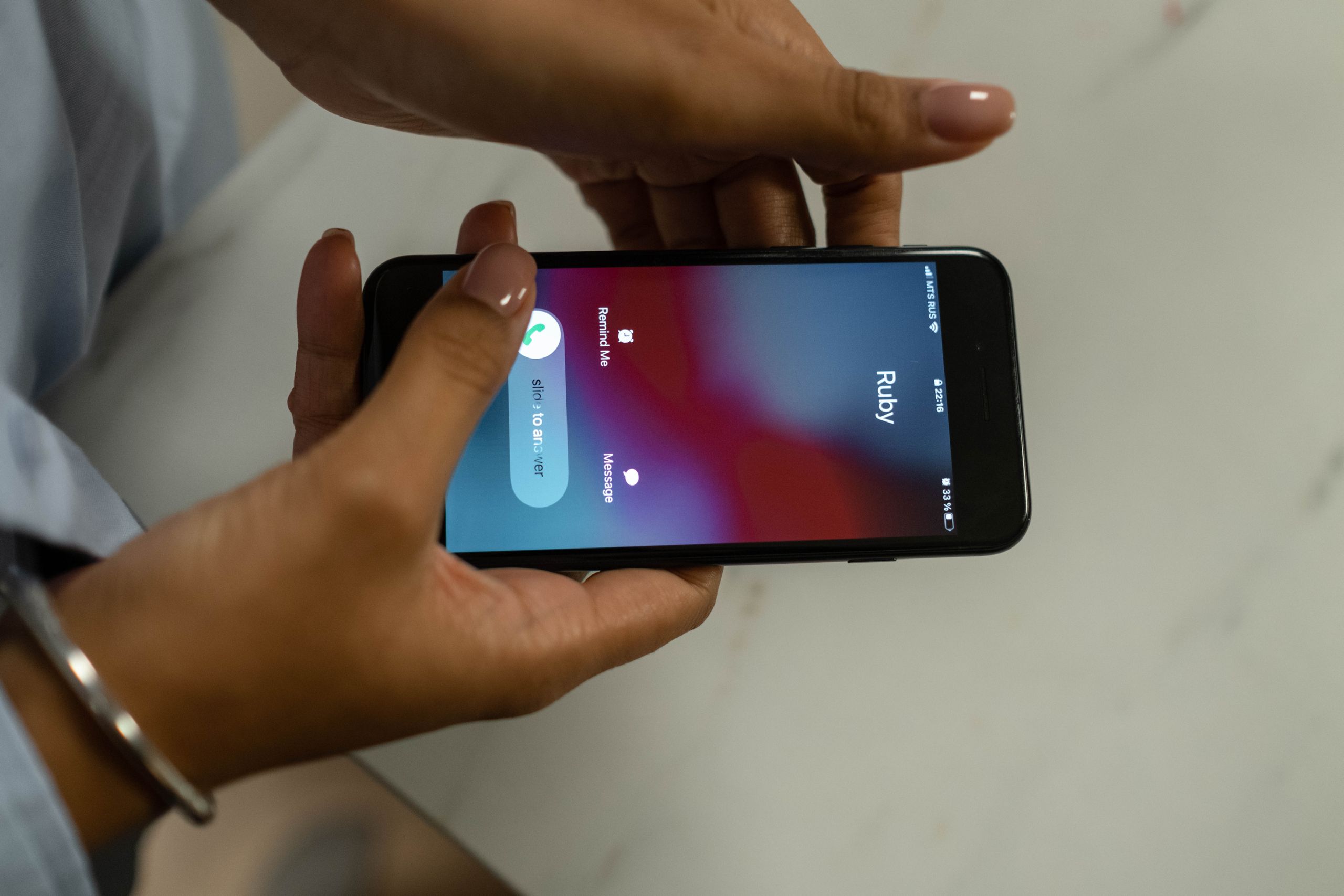
FCC Crack Down on Scam calls To Keep Seniors Safe

Attorneys general from 49 states are pushing the Federal Communications Commission to close loopholes that let scammers cycle through legitimate phone numbers to dodge spam filters — a tactic behind many of the robocalls targeting older Americans. If you’ve noticed more scam calls slipping past your phone’s built-in protections lately, this new regulatory push aims to change that.
Why This Matters to You
Spoofed and rotated phone numbers are the backbone of Social Security impersonation calls, fake grandchild emergencies, and tech-support scams — all schemes that disproportionately target adults 50 and older. When a scammer can buy a fresh number every few calls, it defeats the caller-ID blocking and spam-flagging tools many people rely on.
Closing this loophole wouldn’t stop every scam call, but it would make the most common tactics significantly harder to pull off at scale, and it comes as scammers increasingly pair spoofed numbers with AI-generated voices to sound more convincing than ever.
Key Facts & Context
On July 1, 2026, the FCC proposed expanding its Robocall Mitigation Database rules, and attorneys general from 49 states followed with a joint letter urging even stronger action. Their central request: stop “number cycling,” where scammers buy large blocks of numbers and rotate through them to avoid detection.
Older Americans reported losing between $10.1 billion and $81.5 billion to fraud in 2024 alone, according to Federal Trade Commission estimates, with government-impersonation and tech-support scams among the most common categories tied to spoofed calls.
The attorneys general also want companies that sell blocks of phone numbers to legitimate businesses to verify who is buying them and report how those numbers are being used, closing a gap that currently lets scam operations acquire numbers with little oversight.
What This Means for You
New rules take time to implement, so the best protection right now is still what you do at home.
How can I avoid answering scam calls?
Legitimate agencies like the Social Security Administration will not call demanding immediate payment or personal information. If you don’t recognize a number, let it go to voicemail and call back using a number you look up independently.
What’s the best way to protect my family from impersonation scams?
Agree on a simple code word or question with close family members. If someone calls claiming to be a relative in trouble, ask the code word before sending money or information — a step that defeats most voice-cloning and impersonation scams.
Where should I report a suspicious call?
Report scam calls to the FTC at reportfraud.ftc.gov and to the SSA Office of Inspector General if the caller claimed to be from Social Security. Reporting helps regulators track patterns and strengthens the case for tighter rules like the ones now before the FCC.
For more on staying safe online, see our Technology hub and our latest coverage in Latest News.
Looking Forward
Regulatory fixes to the robocall system move slowly, and scammers adapt quickly. But growing pressure from nearly every state attorney general signals that meaningful change to how scam calls reach your phone may be closer than it has been in years — until then, a few simple habits remain your best defense. Sharing these habits with older parents or neighbors can be just as valuable as practicing them yourself.