





Wildfire Smoke: How To Protect Your Health
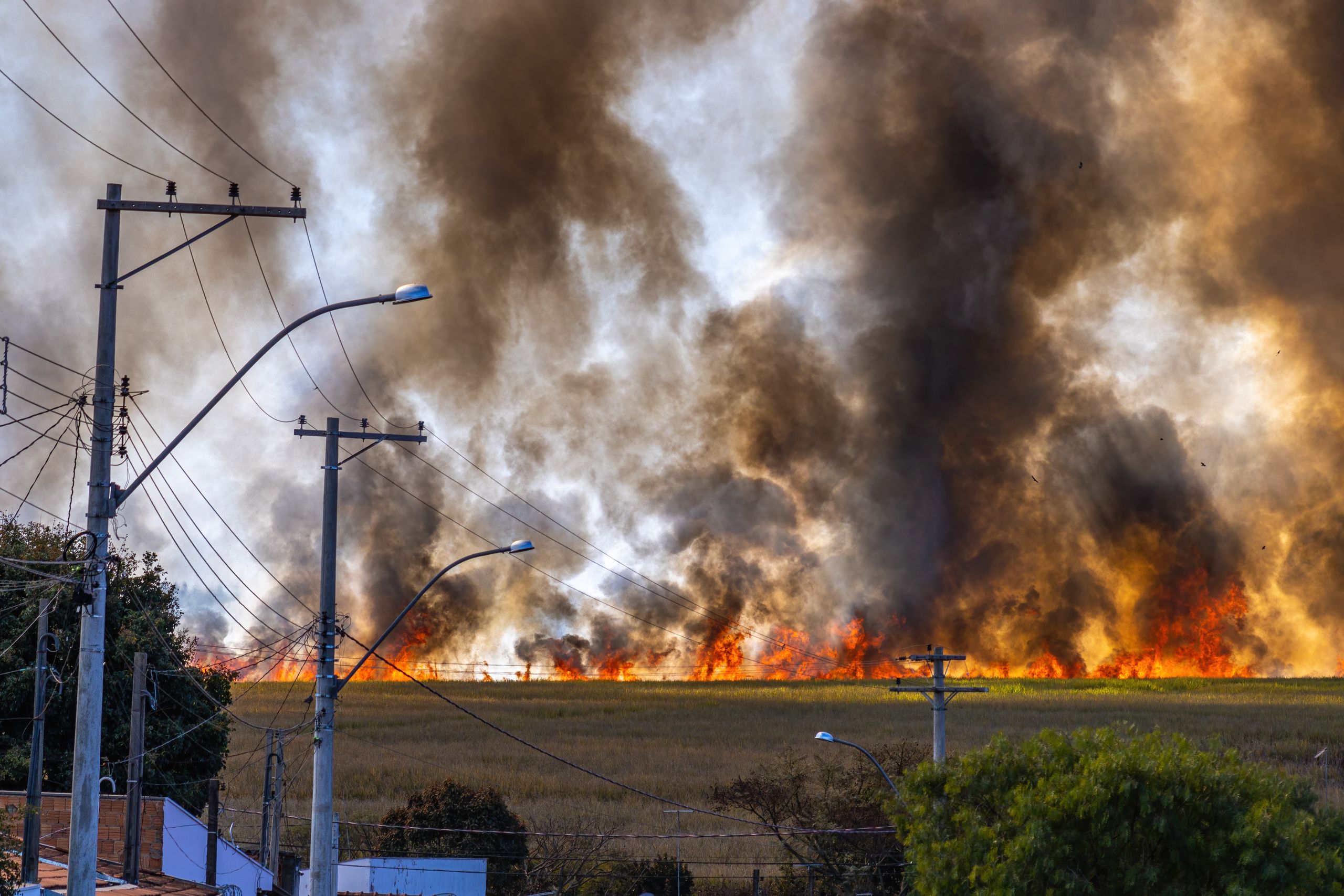
Wildfire smoke health risks are spiking this week as thick haze from Canadian and Minnesota wildfires blankets 16 states, from Minnesota to Maine. Air quality alerts are active from Washington, D.C. to Boston, and adults over 60 face the sharpest danger. Discover why aging lungs and hearts struggle most with fine particle pollution, and the proven steps that can keep you safe indoors and out.
Why This Matters to You
If you’re over 60, wildfire smoke health risks hit you harder than younger adults. Fine particles from smoke, tinier than a strand of hair, slip deep into the lungs and bloodstream, aggravating asthma, COPD, and heart disease. Emergency rooms have reported respiratory visits nearly doubling during smoke events this summer.
Older adults with pre-existing heart or lung conditions are named by health officials as among the groups facing the highest risk from this smoke, alongside children, pregnant people, and outdoor workers. Even healthy seniors can develop a scratchy throat, watery eyes, or shortness of breath after just a few hours outside. Knowing your personal risk level now, before symptoms start, is the first step toward a safer week ahead, as our guide to preventive care for adults 50+ also emphasizes.
Key Facts & Context
Air quality alerts currently span 16 states, including Minnesota, Michigan, Ohio, New York, and Massachusetts, as smoke from wildfires in Ontario and Minnesota drifts south and east. Health officials compare a smoky day’s exposure to smoking half a pack of cigarettes, even for people who’ve never smoked.
Adults 60 and older are specifically flagged by public health advisories as a high-risk group, alongside anyone with existing heart or lung conditions. This comes on the heels of a punishing heat wave that has already strained older adults nationwide. N95 or P100 respirators can filter fine particles for those who must go outside, though they don’t block hazardous gases. Indoor air, kept sealed with windows and doors closed, remains the safest option when the Air Quality Index climbs into the “unhealthy” range.
What This Means for You
How do I know when it’s safe to go outside?
Before stepping outside for a walk or errand, check your local Air Quality Index (AQI) using a weather app or AirNow.gov. When the AQI reads “unhealthy for sensitive groups” or higher, plan indoor activities instead, and reschedule outdoor exercise for early morning or evening when smoke often thins.
What can I do to protect my home?
Choose one room, ideally a bedroom or living room, and keep windows and doors shut during smoke events. A portable HEPA air purifier can meaningfully cut indoor particle levels, and a rolled towel under door gaps helps block drafts of smoky air from entering.
What warning signs should I never ignore?
Coughing, chest tightness, dizziness, or unusual fatigue are signals to stop outdoor activity immediately and contact your doctor, especially if you manage heart disease, COPD, or asthma. Don’t wait for symptoms to become severe before seeking care.
Explore more: A well-sealed, well-ventilated home is one of your best defenses during smoke season. Home360 helps you assess your home’s air quality readiness room by room. Visit myhomethreesixty.com.
Looking Forward
Wildfire smoke has become a recurring summer visitor across much of the country, and forecasters expect more smoky days before the season ends. Staying informed about daily air quality, preparing a clean-air room, and knowing your personal risk factors, as outlined in our guide to managing COPD symptoms at home, can turn an anxious smoke advisory into a manageable part of summer planning.