




Calf Muscle Loss and Fall Risk: 3 Proven Ways to Protect Your Balance
Calf muscle loss and fall risk may be linked more closely than many people realize. A new JAMA Network Open study of 7,068 adults aged 60 and older found that smaller calves went hand in hand with more falls. The good news: you can build leg strength at any age.
Why Calf Muscle Loss and Fall Risk Matters to You
Falls are a leading cause of injury for older adults. A single fall can lead to a broken hip, a hospital stay and lost independence.
Your calves help you push off, balance and catch yourself when you trip. When these muscles shrink, your body has less backup in a stumble.
Many of us lose muscle slowly without noticing. That is why early warning signs are so valuable.
Key Facts & Context
Researchers followed the adults in China from 2018 to 2021. About 24% of them fell during that time.
Doctors often measure grip strength or walking speed to judge frailty. Calf size is simpler still, and that is part of why this finding drew attention.
Each centimeter of calf size lost was linked to roughly 3% higher odds of falling. People whose calves shrank by 20% or more had about 48% higher odds of a fall.
Keep in mind that this study shows an association, not proof of cause. It covered one country, so results may differ elsewhere. Still, doctors already know that muscle strength and balance protect against falls.
The researchers did not claim that building calf muscle alone prevents falls. But the pattern fits what physical therapists see in practice: stronger lower legs usually mean steadier steps.
Sarcopenia, the gradual loss of muscle with age, is a common reason calves shrink.
What This Means for You
You do not need a gym membership to protect your legs. Try these steps and check with your doctor first if you have health concerns.
Action 1: Add Simple Calf Raises
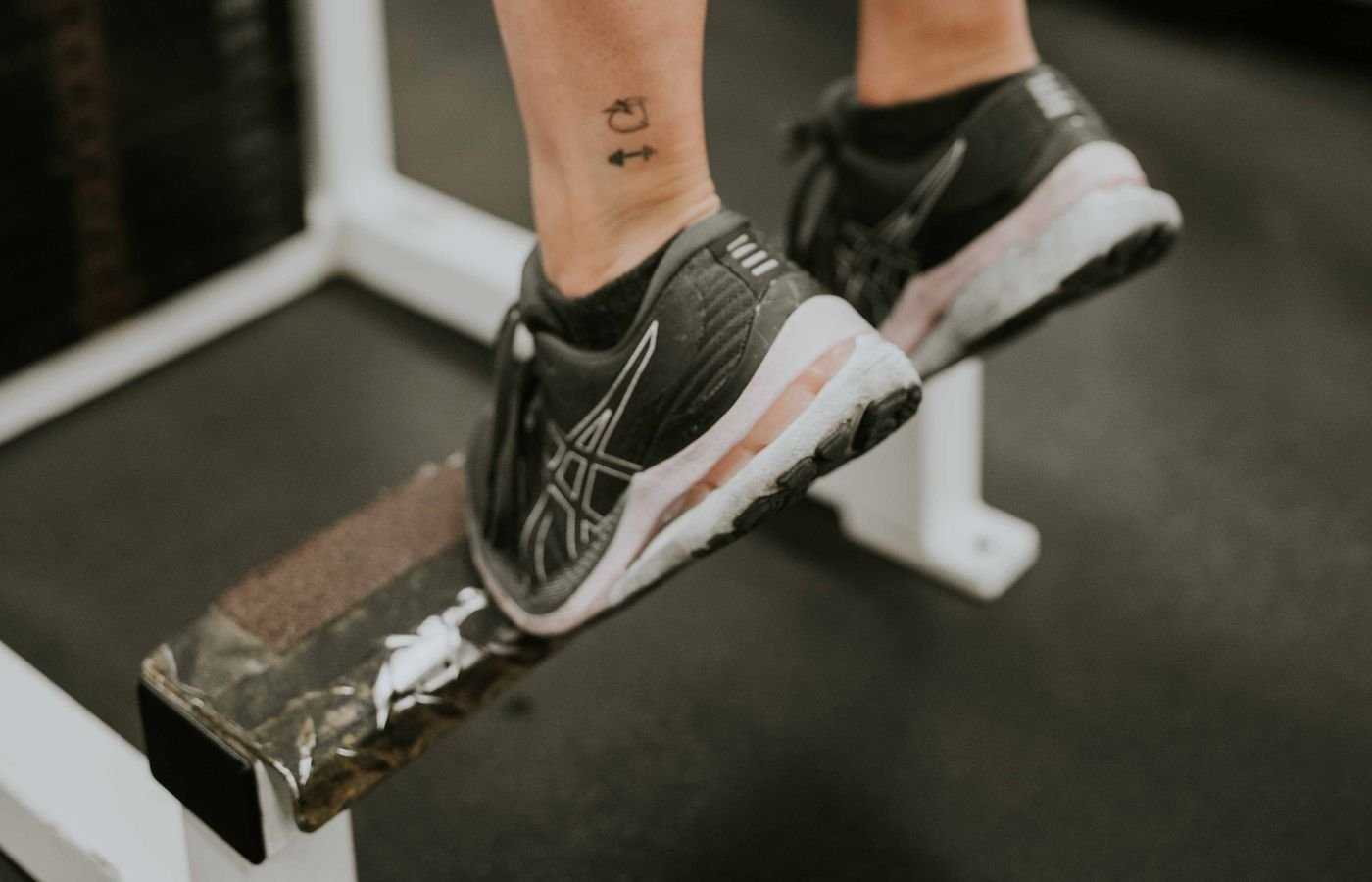
Stand behind a sturdy chair and hold the back. Rise slowly onto your toes, pause, then lower. Start with 8 to 10 repeats once a day, and build up as it feels comfortable.
Action 2: Walk Daily and Practice Balance
Brisk walking works your calves naturally. Add a balance habit, such as standing on one foot while brushing your teeth, with a counter nearby for safety.
Action 3: Eat Enough Protein and Ask for a Check-Up
Muscle needs fuel. Ask your doctor how much protein suits you, and mention any recent falls or weakness. Your doctor can also review medicines that cause dizziness.
- Wear supportive, non-slip shoes at home.
- Improve lighting on stairs and hallways.
- Remove loose rugs and clutter.
Looking Forward
A simple tape measure may one day become a quick fall-risk screen. Until then, strong legs are your best defense. Explore more in our health and wellness guides and tips for aging well at home, or see our latest news for 50+ readers. Start with one calf raise today.
If you have fallen before, or feel unsteady, ask your doctor about a referral to physical therapy. A therapist can build a plan around your joints, your pace and your goals, and many Medicare plans help cover it.
Source: JAMA Network Open. This article is informational and not medical advice.