





Late Rent? 5 Smart Steps for Landlords Over 50
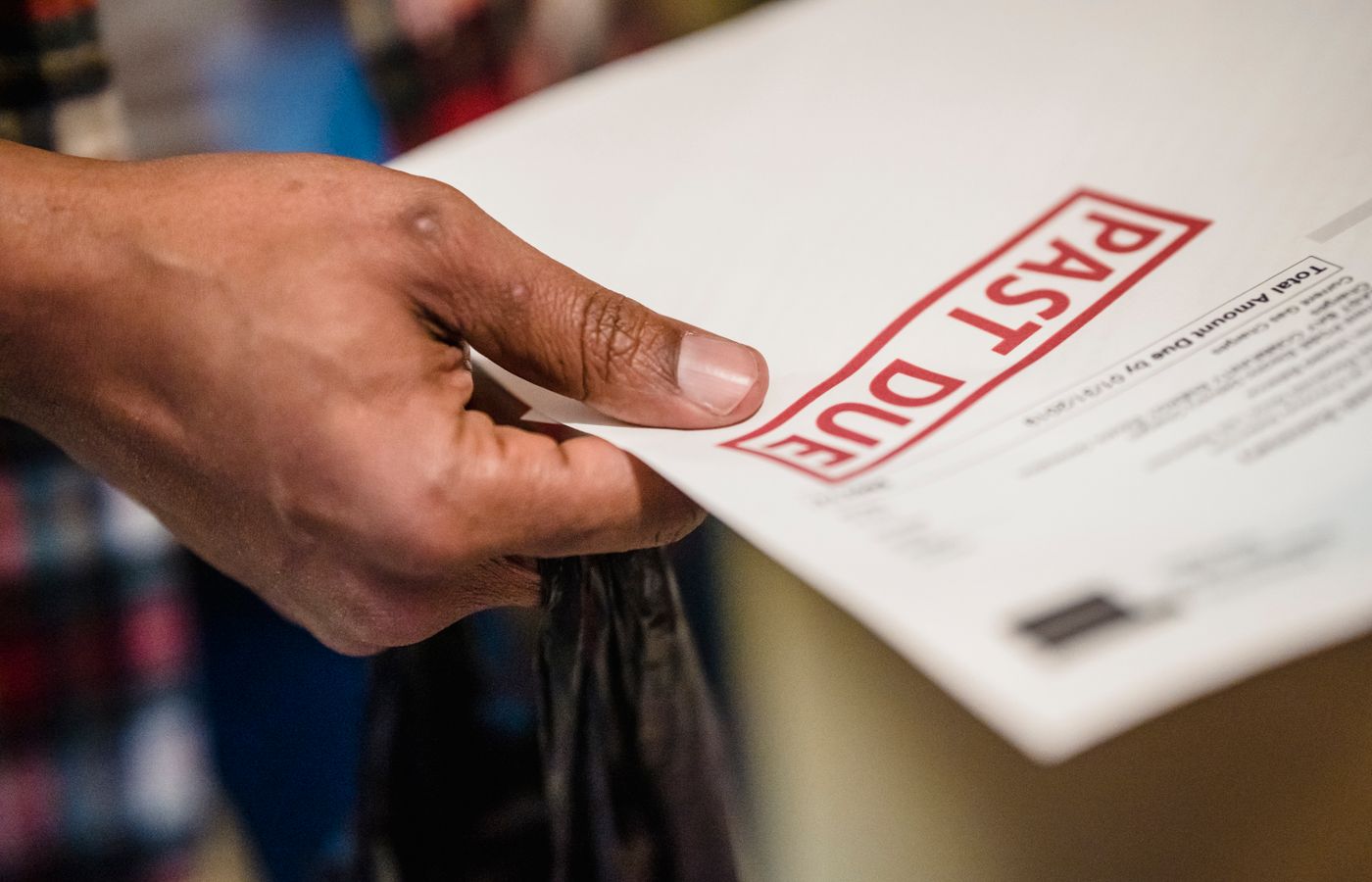
Late rent is one of the most stressful parts of owning a rental, especially when that income helps pay your own bills in retirement. A January 2025 Consumer Financial Protection Bureau (CFPB) report found that about 14% of renters in its data had paid at least one late fee in the prior year, as of November 2024. A calm, clear plan helps you protect both your income and your tenant relationship.
Why Late Rent Hits Harder After 50
Many people over 50 own one or two rentals as part of their retirement plan. Our guide to rental income in retirement covers why that steady check matters so much.
The CFPB data also shows that one late payment often leads to more. Just under 60% of renters who were charged a late fee had two or more in 12 months. The good news is that about half of renters who paid a first late fee were back to paying on time in the following months. Acting early and kindly can make the difference.
What Should You Do the Day Rent Is Late?
- Check your lease. Confirm the due date, any grace period and the late fee you agreed on.
- Check local rules. Grace periods and late fee limits vary by state and city. Look them up before you charge anything.
- Send a friendly reminder. A short text or email often solves the problem. Many late payments are simple oversights.
- Write it down. Note the date, what you sent and any reply.
How Do You Talk to a Tenant Who Is Behind?
Start by asking what happened. A job change, a medical bill or a delayed benefit check can throw off anyone’s month.
- Offer a short payment plan. Put the amounts and dates in writing, and have both of you sign it.
- Consider the due date. If a tenant’s income arrives later in the month, shifting the due date may help. Our article on matching the rent due date to Social Security pay days explains how.
- Be consistent. Apply the same late rent policy to every tenant. Treating people differently can raise problems under fair housing rules from HUD.
Why Good Records Protect You
Clear records help if a dispute ever reaches court, and they make tax time easier. The IRS counts rental income as cash or the fair market value of property or services you receive for the use of your property, so keep track of every payment. See IRS Topic 414 on rental income and expenses for details.
Keep a simple log for each unit: amount due, date paid, method used and any late fee. Save copies of reminders, payment plans and receipts.
When Should You Get Outside Help?
If a tenant keeps missing payments, talk with a local landlord-tenant attorney before taking formal steps. Never try to force a tenant out yourself by changing the locks or shutting off utilities. In many places that is illegal. If you live far from your rental, our tips on how to manage a rental property remotely cover finding local help.
Make On-Time Rent Easier With RentFast
Some late rent comes down to friction. Checks get lost in the mail, and tenants put off a payment that takes extra steps.
RentFast is built for fast rent collection. Tenants pay through a unique payment link by bank transfer (ACH), debit card or credit card. You see payment status in real time, receipts are sent automatically, and your payment history is searchable and exportable. Payments are processed by Stripe, and RentFast says it never stores card or bank account numbers. Rent is not marked paid until it is fully funded. It also works alongside property management software you may already use. For more on switching from paper checks, read our guide on how to collect rent online.
Disclosure: RentFast is part of the same family of tools as Seasoneds.
Looking Forward
Late rent does not have to turn into a crisis. Clear lease terms, a quick friendly reminder, a written plan and good records solve most problems before they grow. With a steady system in place, your rental can stay what you meant it to be: a reliable part of your retirement income.