New AI Rules Require Chatbots to Identify Themselves to You
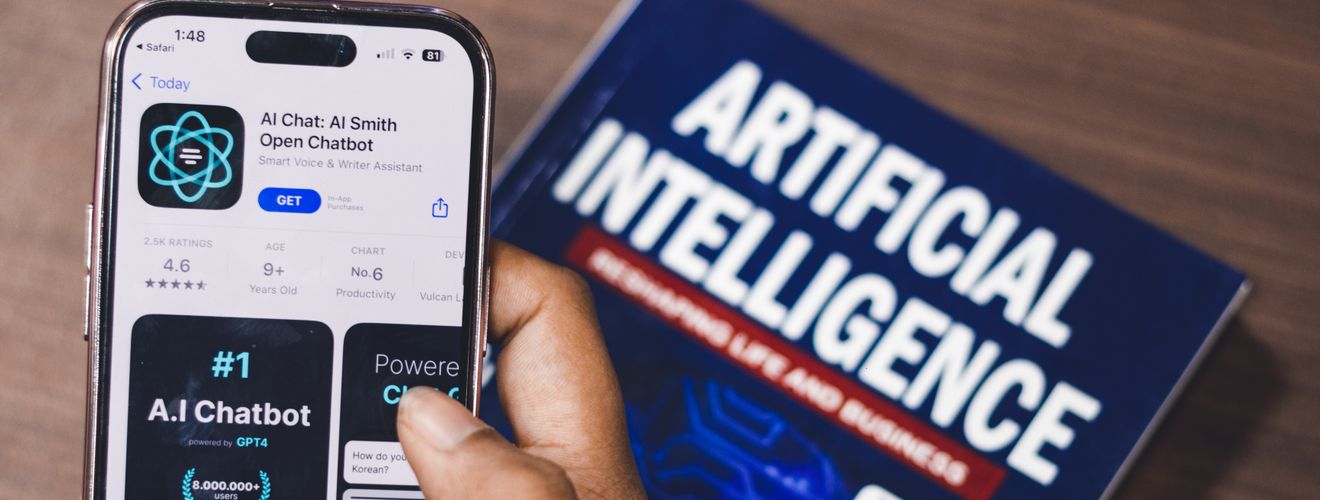
Starting this week, new AI transparency rules under the European Union’s AI Act require chatbots and other interactive AI systems to clearly tell you when you’re talking to a machine instead of a human. The rule took effect August 2, and while it originates in Europe, it signals a broader shift toward mandatory AI disclosure that many companies serving global customers are expected to follow.
Why These AI Transparency Rules Matter to You
Older adults are frequently targeted by scams that rely on confusion about who — or what — is really on the other end of a call, chat, or email. Surveys have repeatedly found that a significant share of adults 50 and older report uncertainty about whether they are interacting with a real person or an automated system during customer service or financial calls.
These new disclosure requirements give you a concrete, learnable signal: if a chatbot doesn’t identify itself, that is now a legitimate red flag worth questioning, at least for services within the AI Act’s reach, with ripple effects expected across the industry.
Key Facts & Context
The rule, enforced by the European Commission’s AI Office alongside national authorities, requires that certain AI systems — including chatbots, virtual assistants, and AI-generated content — clearly disclose their artificial nature to users. Enforcement began August 2, 2026, as part of a phased rollout of the EU AI Act, which has been taking effect in stages since 2024.
While the law directly applies only within the EU, companies operating internationally frequently choose to apply the same disclosure standards globally rather than run two separate systems, meaning many U.S. consumers could benefit from the change as well.
This follows years of growing concern about AI-enabled scams, including impersonation calls that mimic familiar voices or claim to represent government agencies, banks, or family members in distress. Regulators in the U.S. have been watching the EU’s approach closely as a possible model for future domestic rules.
What This Means for You
How can I tell if I’m talking to an AI?
Look for a disclosure statement at the start of a chat or call — phrasing like “you are chatting with an automated assistant” is becoming more standard. If none appears, it is entirely reasonable to directly ask, “Am I speaking with a real person?”
What should I do if a company won’t confirm?
Treat unclear responses as a caution sign, particularly on calls involving money, medical information, or account access. Hang up and call the organization back using a verified phone number rather than continuing the conversation.
How do I protect myself from AI-based impersonation?
Never share passwords, Social Security numbers, or banking details with any automated system that contacted you first. Legitimate companies will not ask for this information through unsolicited chats, texts, or calls.
Explore more: For guidance on navigating new technology safely and confidently, visit Principium Technology, which focuses on practical tech solutions for everyday life.
Looking Forward
As AI systems become more embedded in customer service, healthcare portals, and financial platforms, disclosure rules like this one are likely to expand well beyond Europe. Staying alert to these signals now will help you navigate an increasingly AI-driven world with more confidence and far less confusion.
Expect more countries and companies to adopt similar disclosure standards over the next year as public pressure builds. Until broader rules catch up, the simplest protection remains the oldest one: when in doubt about who — or what — you’re talking to, ask directly and verify independently before sharing any personal information.
Related reading: see our Health and Wellness Hub for more on digital safety, and check our Home and Living Hub for smart home technology guidance.