
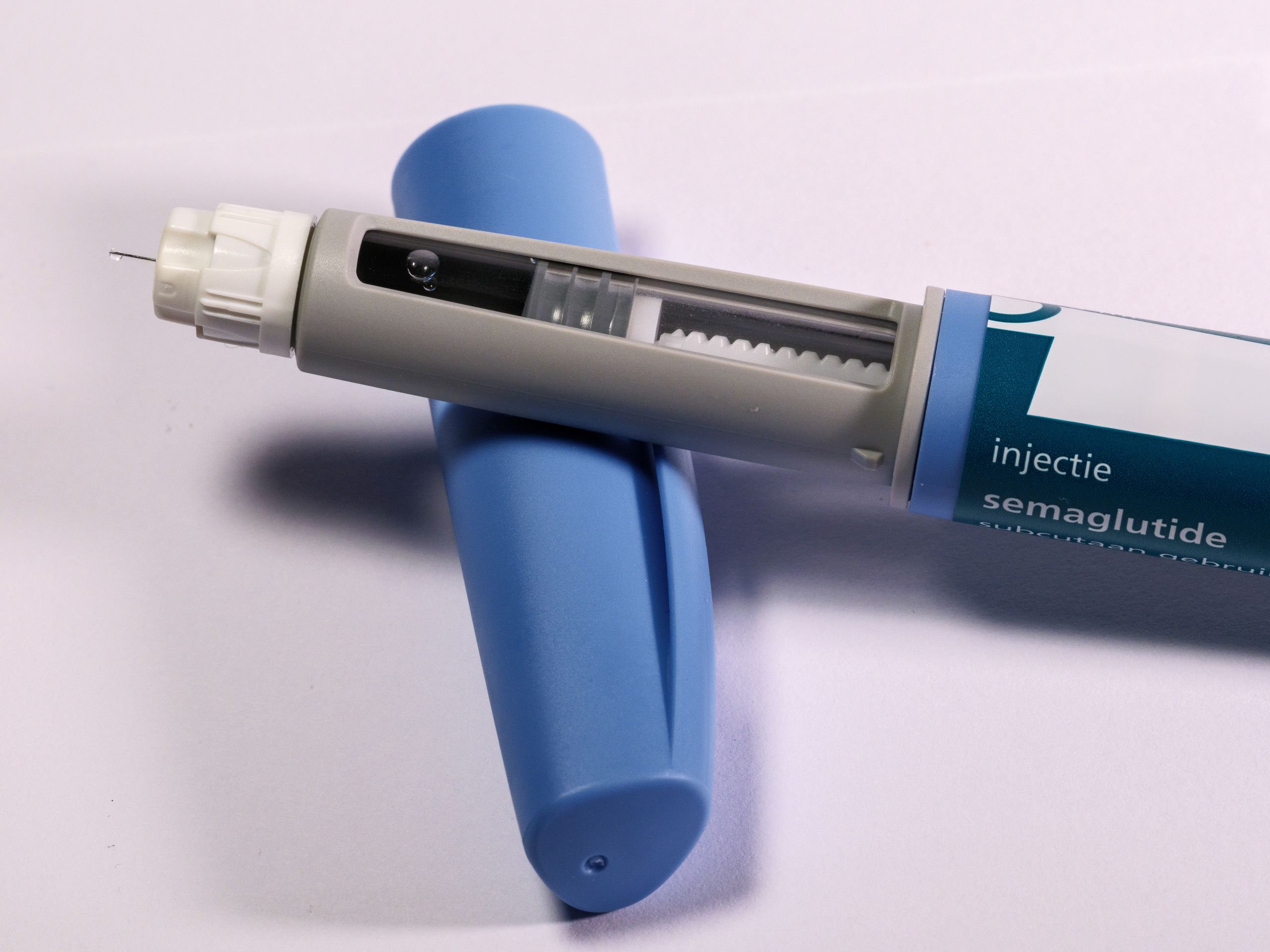
Medicare’s New $50 GLP-1 Drug Program Just Launched

The new Medicare GLP-1 Bridge program officially launched on July 1, 2026, giving eligible Part D beneficiaries access to popular weight-loss medications for a flat $50 monthly copay. For years, federal law blocked Medicare from covering GLP-1 drugs prescribed solely for weight loss, leaving many older adults paying $1,000 or more a month out of pocket. That changes now, at least temporarily.
Why This Program Matters to You
Excess weight contributes to heart disease, diabetes, and joint problems—all common concerns for adults 50 and older. Until this month, the drugs shown to meaningfully reduce that risk were financially out of reach for most Medicare beneficiaries, even those with real medical need.
This demonstration program, which runs through December 31, 2027, is designed specifically to close that affordability gap for qualifying enrollees. For many retirees on fixed incomes, a $50 monthly copay is the difference between starting treatment and going without it entirely.
It’s worth noting this is a bridge, not a permanent policy change. Advocates hope the program’s results will build the case for longer-term coverage, but for now, eligible beneficiaries should treat this window as a limited-time opportunity.
Key Facts & Context
The Medicare GLP-1 Bridge covers three medications when prescribed for weight reduction: Wegovy (injection and tablets), Zepbound, and Fonduyo. Your $50 copay doesn’t count toward your plan’s deductible or out-of-pocket limit, and it won’t appear on your Part D Explanation of Benefits.
Eligibility depends on clinical criteria: a BMI of 35 or higher qualifies automatically; a BMI of 30–34.99 qualifies with uncontrolled high blood pressure or certain heart conditions; and a BMI of 27 or higher qualifies with prediabetes or peripheral artery disease. Notably, beneficiaries with type 2 diabetes or moderate-to-severe sleep apnea are excluded from this particular program, even if they meet the BMI threshold, since other coverage pathways already exist for those conditions.
What This Means for You
Action 1: Check your eligibility
Visit Medicare.gov/glp1bridge or ask your Part D plan directly whether you meet the clinical criteria. Have your recent height, weight, and any relevant diagnoses on hand before you call, since eligibility is determined by specific BMI and health-condition thresholds.
Action 2: Confirm your plan participates
Not every Part D or Medicare Advantage plan is required to opt in identically—confirm with your standalone PDP or MA coordinated care plan (HMO, HMOPOS, or regional PPO) that the Bridge program applies to your specific coverage before assuming you’ll pay the $50 rate.
Action 3: Talk to your doctor about timing
Because this is a temporary bridge program running only through the end of 2027, ask your physician whether starting treatment now makes sense given your health goals and long-term coverage plans.
Explore more: Managing new prescription costs alongside the rest of your monthly budget gets easier with a clear financial plan. See how Coached by Bukky helps retirees plan around changing healthcare costs.
Looking Forward
The Medicare GLP-1 Bridge program marks one of the most significant prescription drug affordability shifts for older Americans this year. If you’ve been priced out of these medications before, this is the moment to ask your doctor and your Part D plan whether you now qualify—and to act before the program’s window closes at the end of 2027.
Related reading: our guides to finding affordable healthcare coverage and navigating Medicare Part D changes.