
Independence Day Record Heat Wave: What Seniors Need To Know

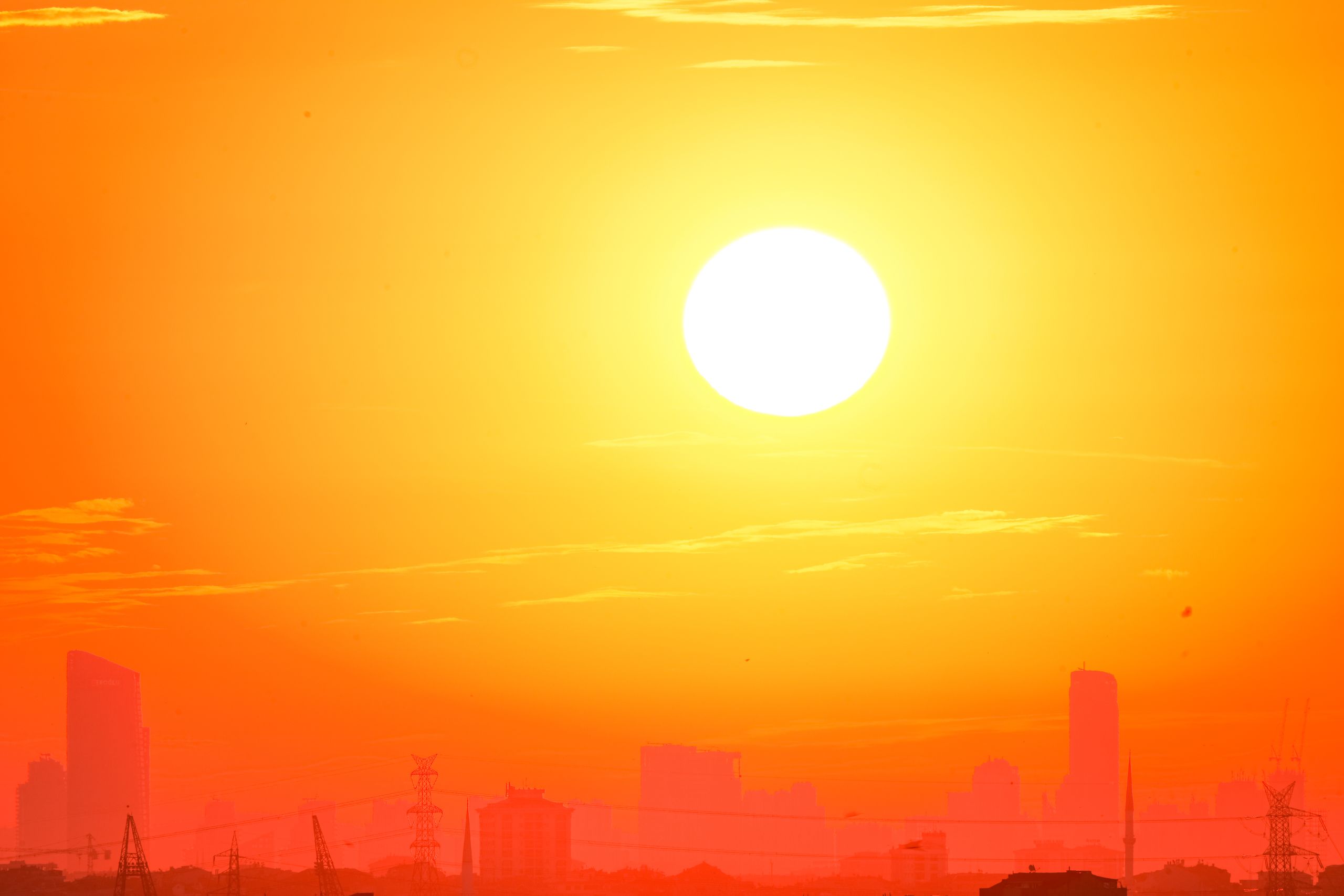
A historic heat dome has placed more than 185 million Americans under heat alerts this Fourth of July weekend, with heat indices topping 100 degrees and record highs possible in Washington, D.C. and Philadelphia. For adults 65 and older, this isn’t just uncomfortable weather, it’s a medical emergency risk that deserves immediate attention.
Why This Matters to You
Older adults don’t adjust to sudden temperature swings the way younger bodies do, and many take prescription medications that interfere with the body’s ability to sweat or regulate temperature. The CDC warns that adults 65+ face significantly higher rates of heat-related emergency room visits during events like this one.
Overnight lows in cities like New York, Boston, and Baltimore may not drop below 80 degrees this weekend, meaning there’s little relief even after sundown, a pattern that compounds heat stress on the body over consecutive days.
Key Facts & Context
CNN reports “extremely high” rates of heat-related ER visits as this heat wave peaks, with cities including Washington, D.C. activating extreme heat alerts through July 5 and expanding cooling centers, hydration stations, and emergency medical resources. New York City has opened hundreds of cooling centers and deployed mobile medical vans offering water, sunscreen, and wellness checks.
Relief is expected by Sunday as temperatures fall into the 80s with storms moving through, but until then, health officials are urging older adults and their families to take the heat seriously.
Emergency room physicians note that heat stroke symptoms in older adults can look deceptively mild at first, confusion, dizziness, or unusual fatigue, rather than the collapse people expect, which is why family check-ins matter as much as air conditioning during events like this one.
What This Means for You
How much water should I actually be drinking?
Aim for 6 to 8 cups of water daily, more if you’re outdoors at all. Seniors often have a reduced sense of thirst, so don’t wait to feel thirsty. Add lemon or cucumber for flavor, or sip an electrolyte drink if your doctor has approved it.
Where can I go if my home isn’t air conditioned?
Contact your local health department or look for a library, mall, or designated cooling center nearby. Many cities, including New York and Washington, have expanded cooling center hours specifically for this weekend’s heat emergency.
When should I avoid going outside entirely?
Stay indoors between 10 a.m. and 4 p.m., when the sun is strongest, and reschedule errands, walks, or gardening for early morning or evening hours instead.
Explore more: Home360 offers home monitoring tools that can alert family members if indoor temperatures rise to unsafe levels while you’re home alone.
Related reading: our guides on what to review during Medicare open enrollment and preventive care steps every 50+ adult should schedule this year.
Looking Forward
Forecasters expect this heat dome to ease by Sunday night, but climate patterns suggest extreme heat weekends like this one will become more frequent in coming summers. Having a heat safety plan ready, know your nearest cooling center, keep electrolyte drinks on hand, and check in on neighbors, is worth doing now, before the next alert arrives.