





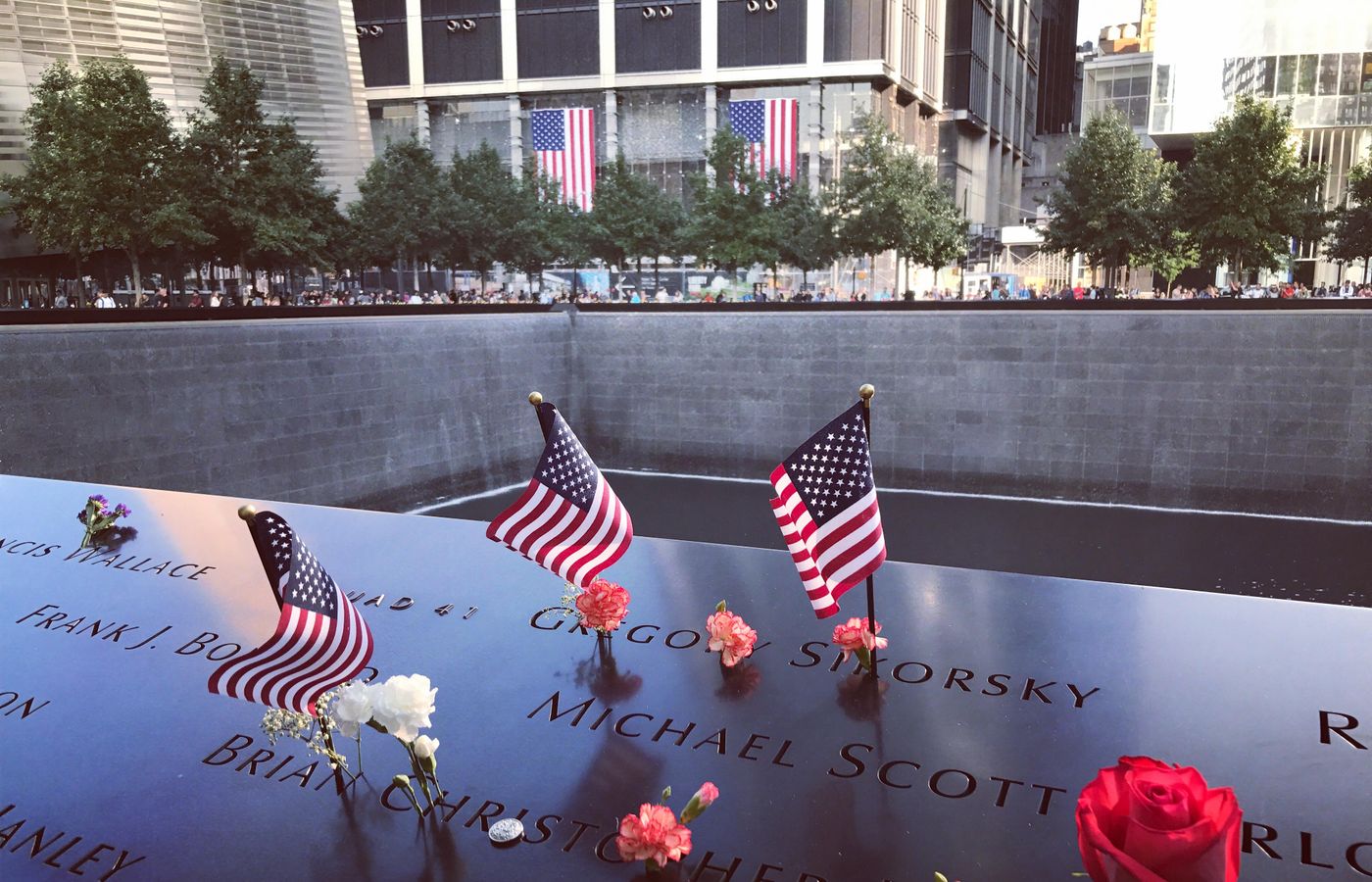
9/11 Turns 25: How to Process a Milestone Anniversary of Loss
Twenty-five years after the September 11 attacks, Americans gathered this week at Ground Zero, the Pentagon, and the Shanksville memorial to mark a quarter-century since nearly 3,000 lives were lost. For adults 50 and older, the 9/11 25th anniversary lands differently than it does for younger generations — many watched it unfold live, at work, as parents, or in uniform.
Why This Milestone Anniversary Matters to You
Milestone anniversaries — 10, 25, 50 years — tend to trigger sharper emotional responses than ordinary yearly remembrances. Grief researchers note that round-number anniversaries prompt people to compare “then” and “now,” which can surface memories, and sometimes symptoms, that had settled over time.
For the tens of millions of Americans over 50 who lived through 9/11 as adults, this week’s ceremonies, moments of silence, and the Tribute in Light aren’t just historical observances. They’re a prompt to reflect on a quarter-century of change — in family, career, and community.
Key Facts & Context
This year’s ceremony drew all living former U.S. presidents to Ground Zero, where victims’ names were read aloud as they have been every year since 2002. A separate observance at the Pentagon began at 9 a.m. Eastern, and the annual Tribute in Light once again illuminated the lower Manhattan skyline overnight.
Mental health professionals point out that first responders, survivors, and family members of victims are especially likely to feel renewed grief or anxiety around milestone dates. Even people without a direct connection to the attacks often report a subtler sense of nostalgia or mortality awareness tied to “25 years already” milestones. Community engagement around remembrance events also connects to a broader cultural renaissance among 50+ adults, who increasingly turn to shared commemorative spaces for connection.
What This Means for You
How do I talk with grandchildren about an event they never experienced?
Consider sharing your own memory simply and honestly, without overwhelming detail. Many older adults find that recounting where they were and how their community responded gives younger relatives context that textbooks can’t.
What if the anniversary brings up unexpected emotions?
It’s common, even for people with no direct loss, to feel unsettled around a big round-number anniversary. Give yourself permission to acknowledge it — through a conversation, a moment of quiet reflection, or attending a local remembrance event.
Where can I find support if grief resurfaces?
If feelings of grief, anxiety, or loss feel heavier than expected this week, talking with a counselor or life coach who understands transition and legacy work can help put the emotions in context rather than let them linger unaddressed.
Explore more: If this week’s reflection has you thinking about legacy, memory-sharing, or processing a major life transition, Coached by Bukky offers life coaching designed for exactly these moments.
Looking Forward
Anniversaries like this one are also opportunities for connection — many communities are hosting service projects and remembrance events throughout September. However you choose to mark 25 years since 9/11, processing a milestone anniversary is a normal, shared experience among people who lived through it — not something to move through alone.